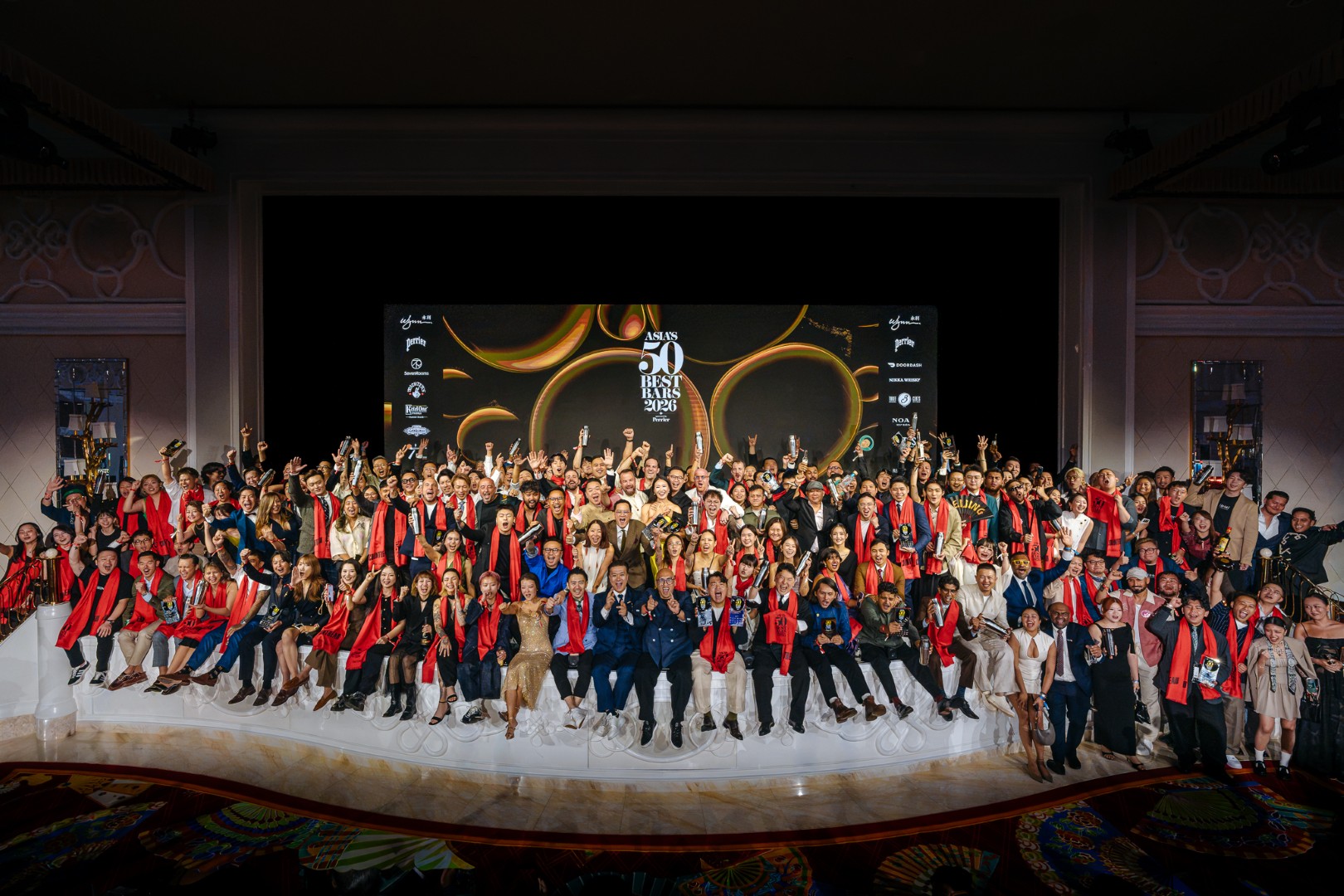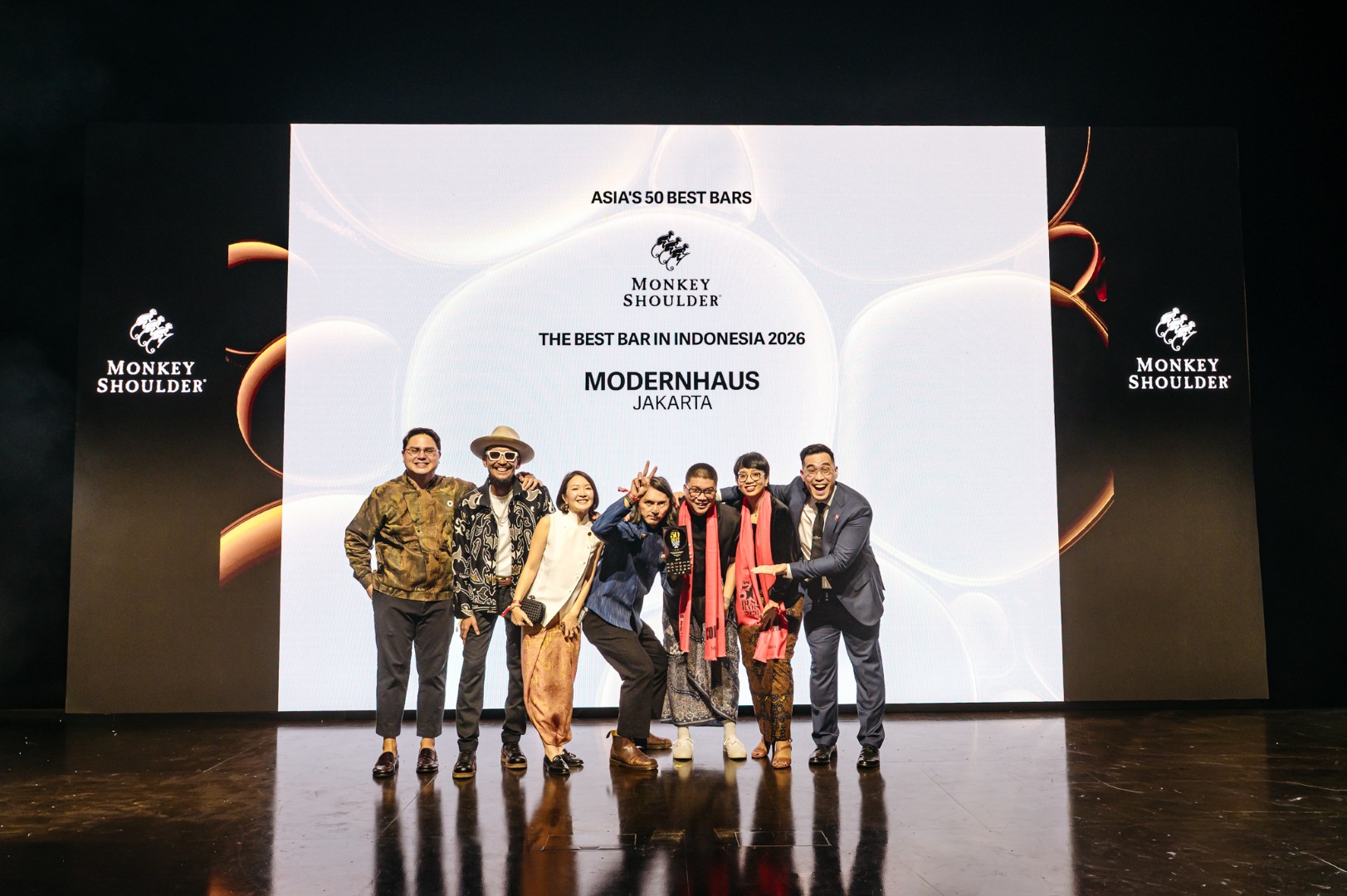
When the rankings of Asia’s 50 Best Bars 2026 were announced in Macau on 28 July, Indonesia had every reason to celebrate.
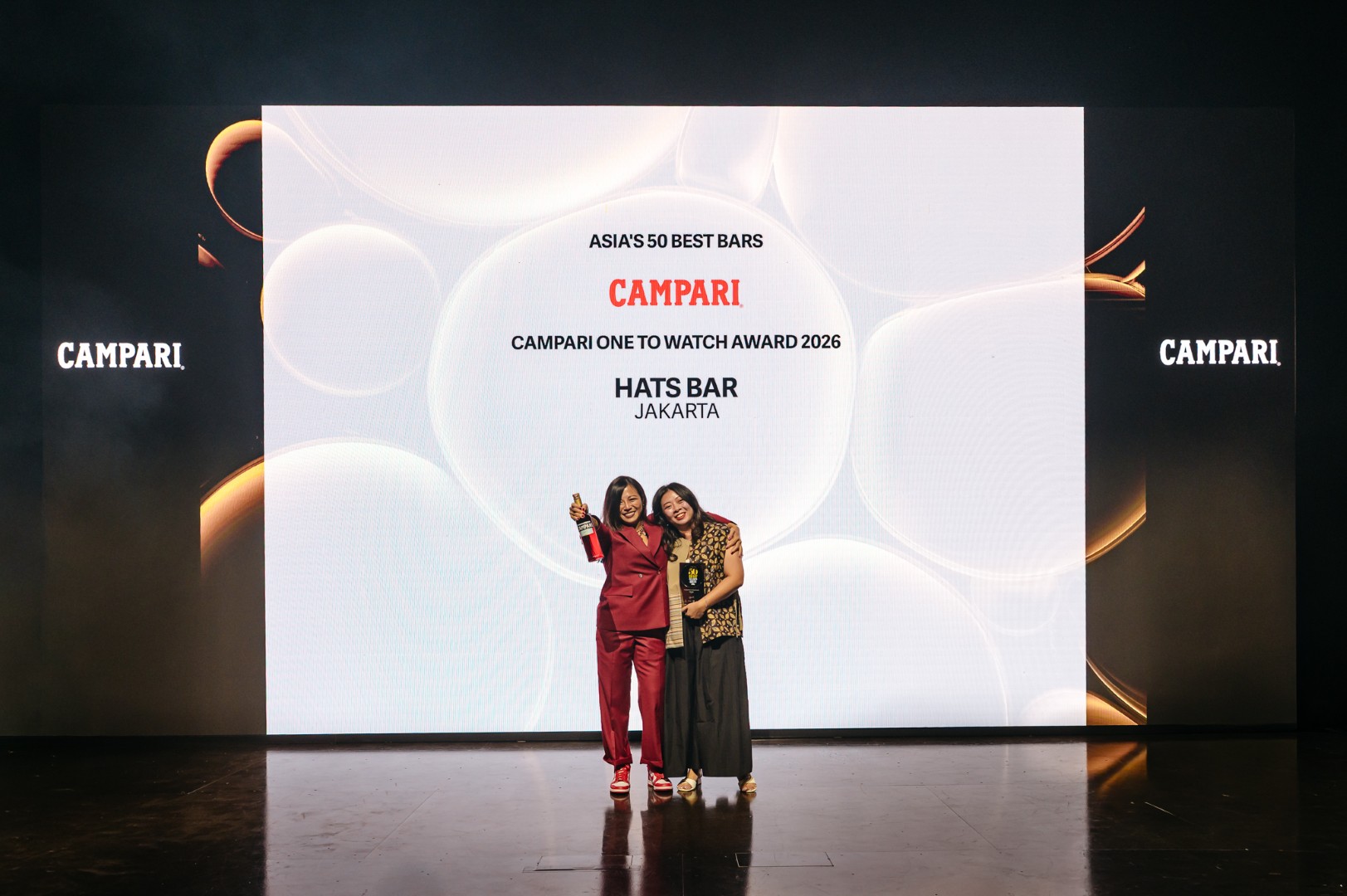
Modernhaus, Cosmo Pony, Carrots Bar and The Golden Tooth all secured places in the coveted Top 50, while Hats Bar received the Campari One To Watch Award after debuting on the Extended 51–100 list alongside Between the Sips.
For most, it was another awards ceremony. For Jakarta, it marked something bigger. Jakarta’s success isn’t measured by four bars making it into Asia’s 50 Best, it’s measured by the fact that the city has developed a cocktail culture sustained by its community.
That distinction matters. Awards recognize moments. Communities build movements.
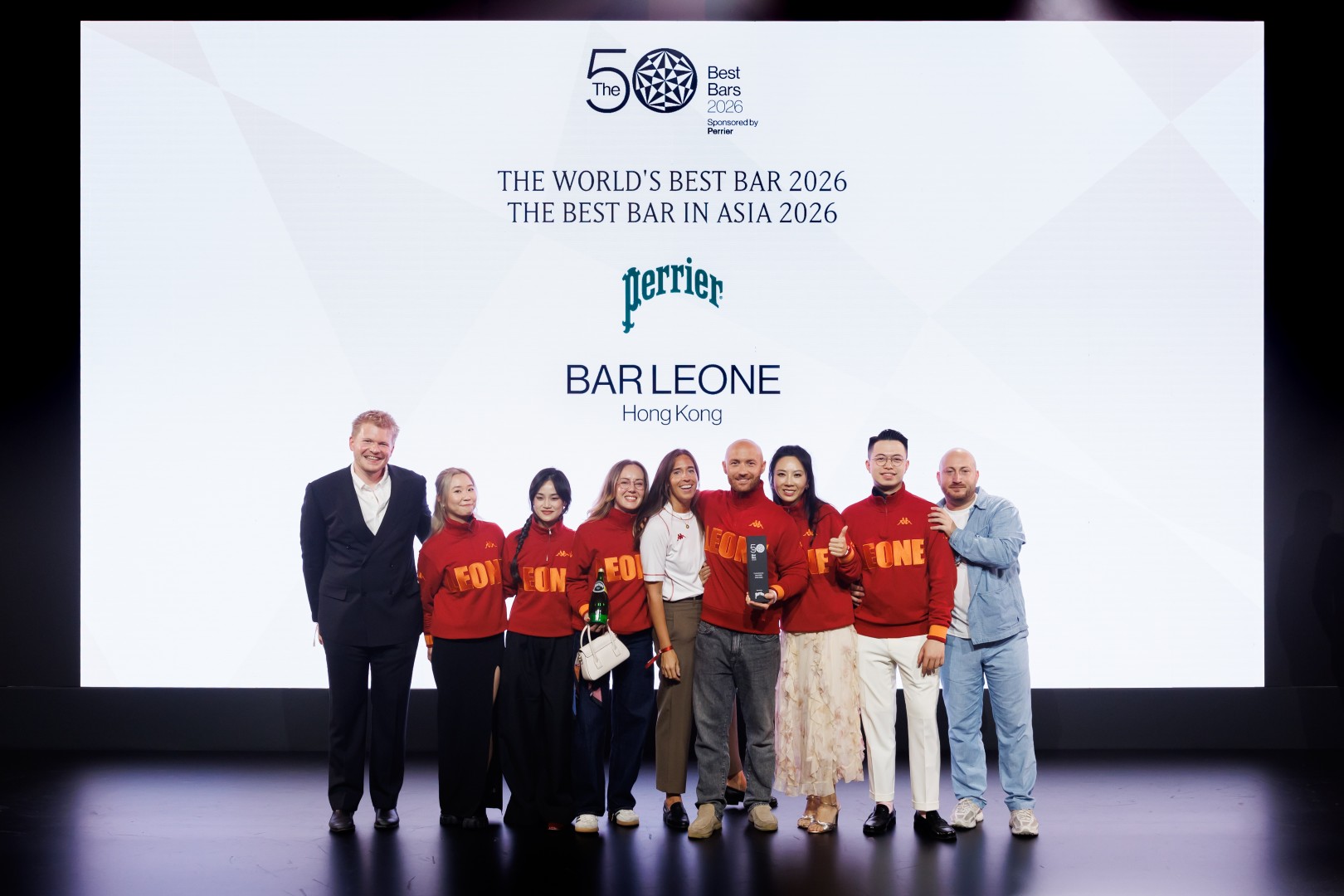
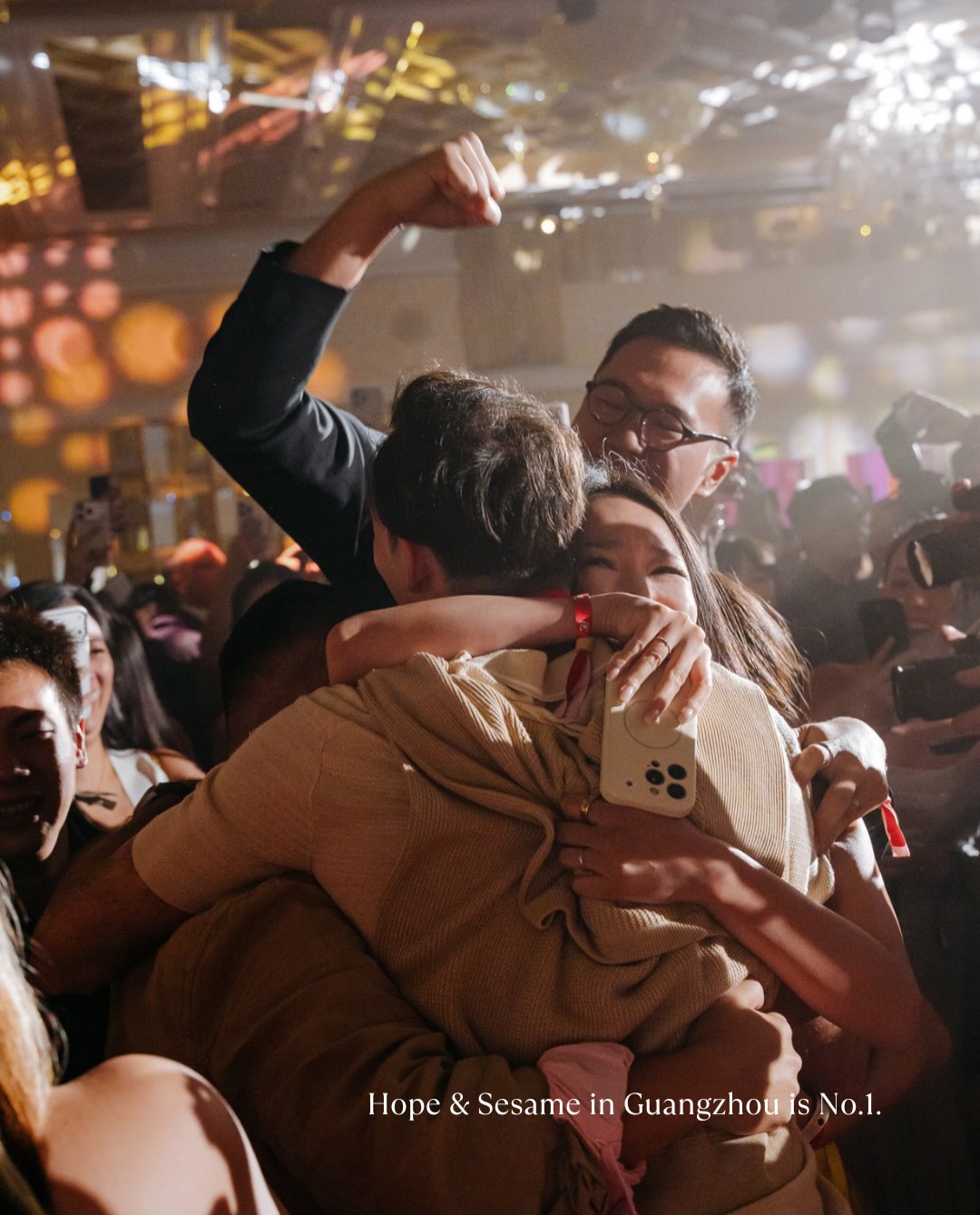
For years, conversations surrounding Asia’s cocktail scene naturally gravitated towards the mature cocktail capitals: Hong Kong, Singapore, Tokyo and in the past few years, Bangkok. Since Asia’s 50 Best Bars launched in 2016, the No. 1 spot has been claimed by either a bar in HongKong and Singapore, and only now has Guangzhou joined the list, with Hope & Sesame’s win.
These cities became benchmarks—not simply because they housed award-winning bars, but because they first cultivated drinking cultures sustained by curious guests, passionate bartenders, and communities willing to embrace cocktail hospitality.
Jakarta’s story has followed a similar trajectory. Before it could emerge as one of Asia’s most exciting destinations, it first had to build a drinking culture of its own.
Emma Sleight, Director of Content and Creative at The World’s 50 Best Bars, believes that description is beginning to change.
“When we first launched the list more than 10 years ago, more than 70% of cities ranked were very much established cocktail capitals. Now we’re seeing diversification, and Jakarta is a real success story.”
Jakarta’s emergence isn’t significant simply because more bars have entered the rankings. It reflects a broader diversification of Asia’s cocktail landscape, where cities with distinct identities and thriving local communities are increasingly shaping the conversation—and Jakarta is proving it belongs among them.
For Emma, Hats Bar’s Campari One To Watch Award embodies that shift. While the 50 Best list celebrates bars that have already established themselves among the region’s finest, One To Watch points towards tomorrow. It signals a confidence that Jakarta’s next generation is already beginning to shape the city’s future.
Yet perhaps the most revealing insight from Emma has nothing to do with rankings at all.
We asked her how a bar gets into Asia’s 50 Best Bars and the answer is unexpectedly straightforward: “there is no recipe.”
She recalls Carrots Bar, a 14-seat cocktail bar tucked inside a car park. On paper, it hardly resembles the conventional image of an award-winning bar—and that is precisely the point. The voting academy draws on hundreds of independent opinions across Asia and refreshes a quarter of its members each year, ensuring the list remains dynamic enough to uncover places that succeed because of what they do—not because of how loudly they are seen.
“The awards should be a welcome by-product rather than the goal.”
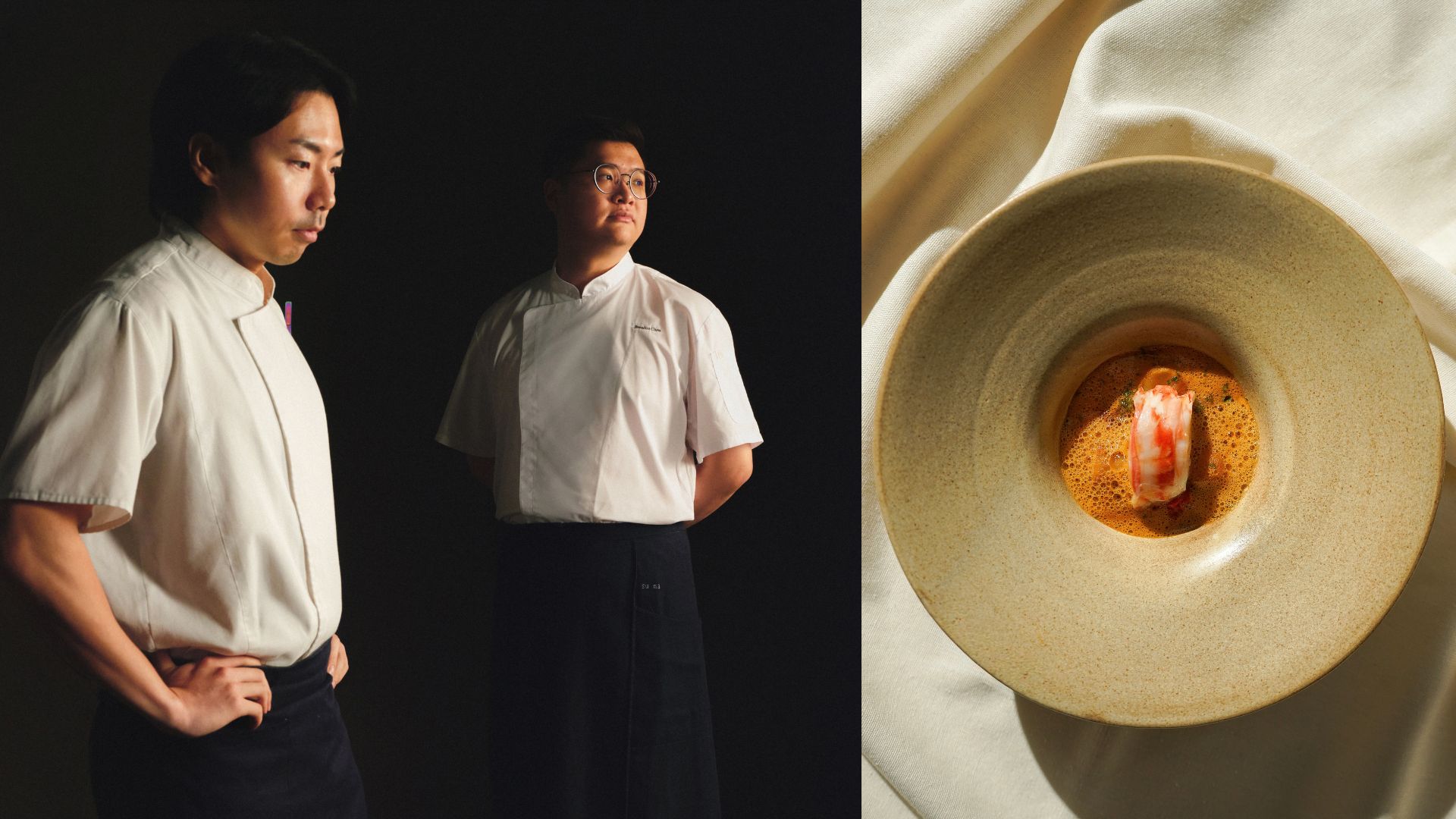
That philosophy resurfaced in a conversation with Andrew Ho and Bastien Ciocca, founders of Hope & Sesame.
“We don’t prepare for these moments—we just go all in.” There is something quietly reassuring about that answer.
Winning a bar’s highest accolade didn’t inspire reinvention. The plan was simply to return home with the team and continue raising the standard they had already set for themselves.
Recognition didn’t change the work. The work earned recognition.
Andrew’s reflections on Guangzhou’s transformation over the past decade offers a useful lens through which to view Jakarta’s own evolution.
When Hope & Sesame first opened ten years ago, Guangzhou’s cocktail culture was still finding its footing. Guests once relied on bartenders to guide every decision. Today, many walk in already knowing what they enjoy or requesting cocktails tailored to their preferences. Former team members have opened bars of their own. New concepts continue to emerge. Visitors can now spend days exploring the city’s hospitality scene.
None of that happened because one bar became successful. It happened because an ecosystem matured.
That maturity wasn’t defined by a single venue, but by a community that educated guests, encouraged experimentation and inspired new talent. As more bartenders opened their own concepts and drinkers became increasingly adventurous, Guangzhou evolved into a destination in its own right.
It is a journey Jakarta is beginning to mirror.
Modernhaus, Cosmo Pony, Carrots Bar and The Golden Tooth represent vastly different ideas of what a cocktail bar can be. Rather than converging around a single style or philosophy, Jakarta’s bars are becoming increasingly confident in expressing their own identities. That confidence may be the strongest indicator that the city’s cocktail culture is maturing.
That diversity may be the city’s greatest achievement.
Great cocktail cities are never built around one award-winning venue. They are built by bartenders willing to experiment, guests eager to explore, teams that share knowledge rather than guard it, and communities that understand hospitality is created collectively. Awards simply make that process visible.
Indonesia’s strongest showing at Asia’s 50 Best Bars deserves every celebration it receives. But perhaps the evening’s greatest recognition wasn’t reserved for any single venue.
It belonged to the city itself. Not because four bars made the Top 50. But Jakarta firmly earned its place in the conversation.