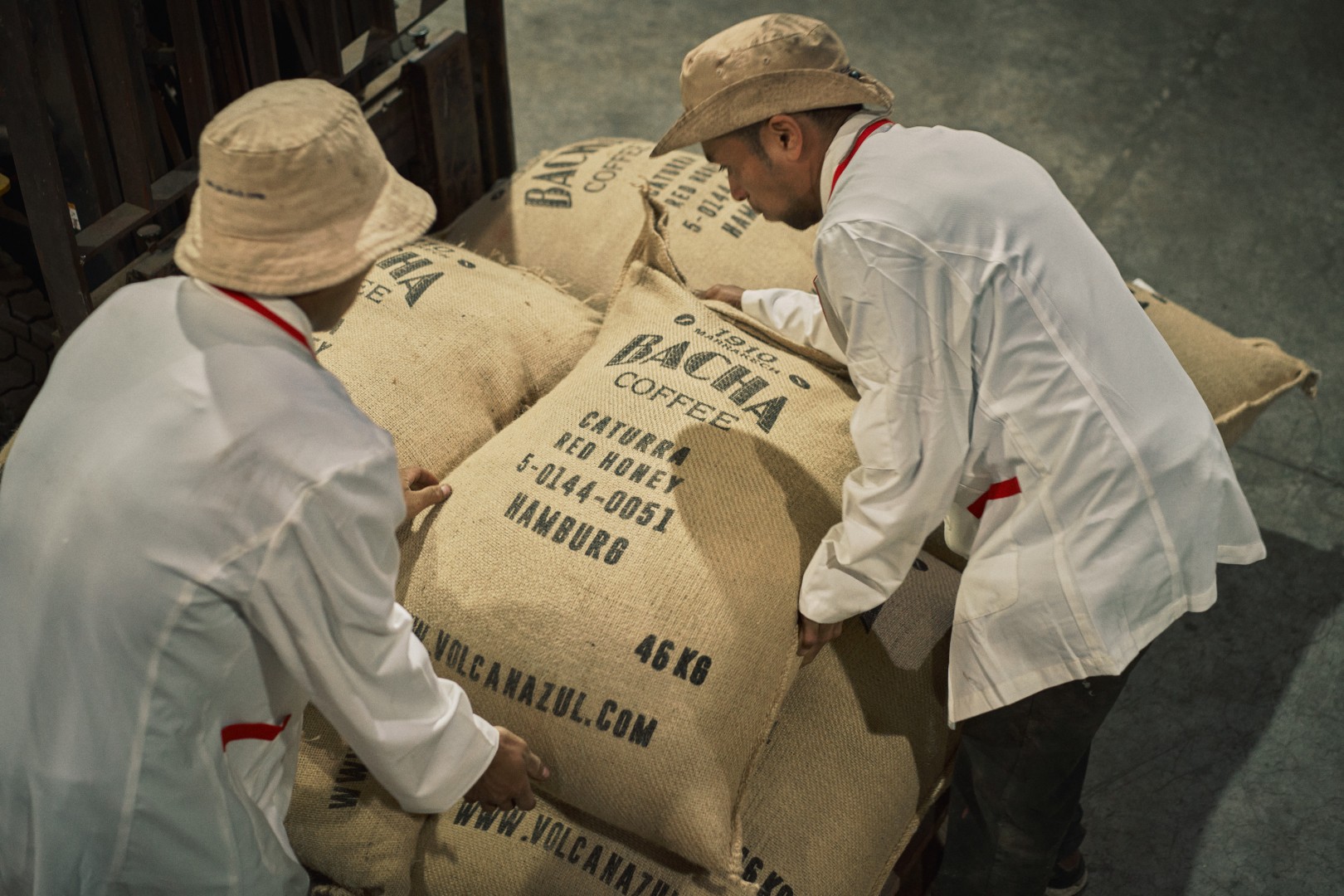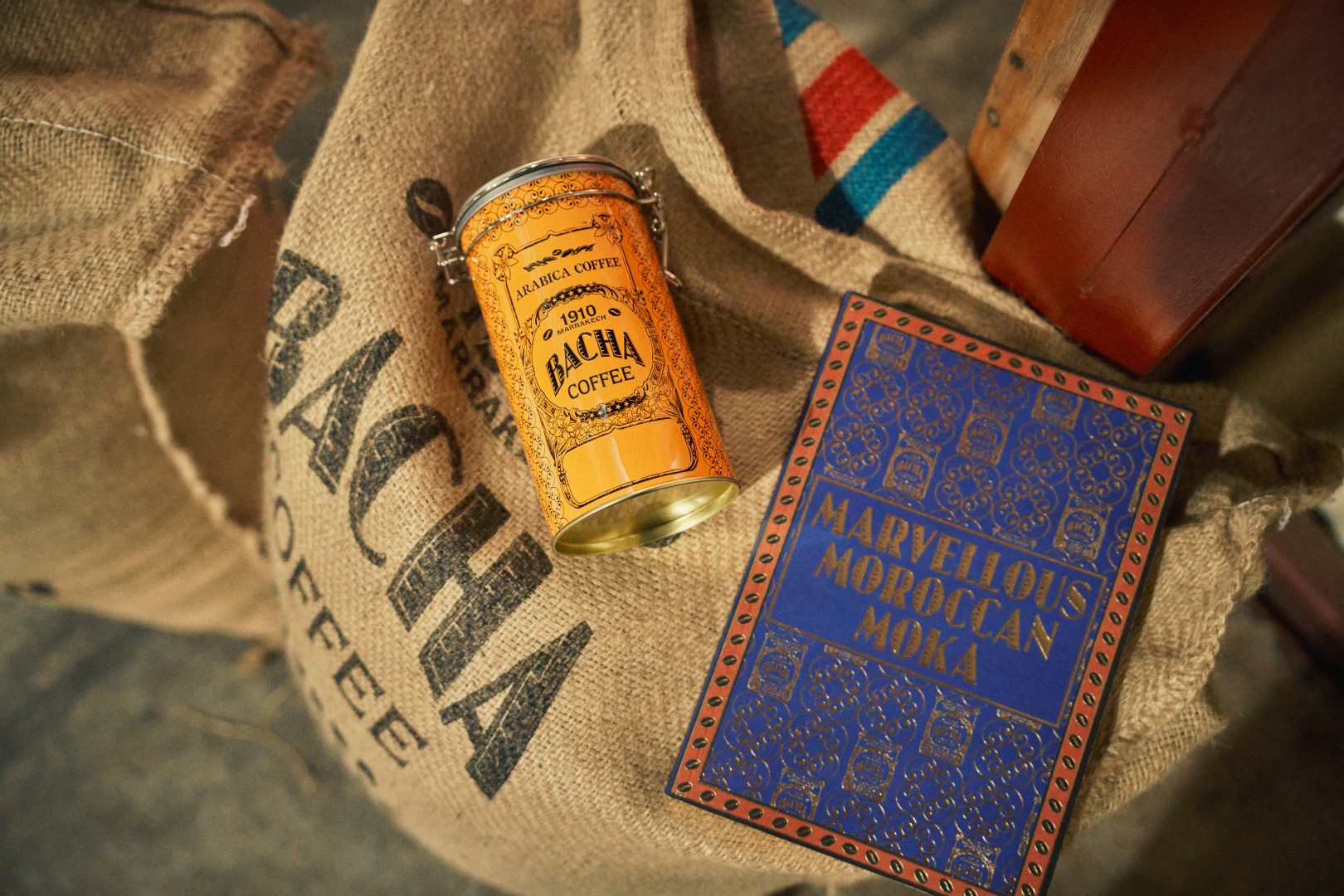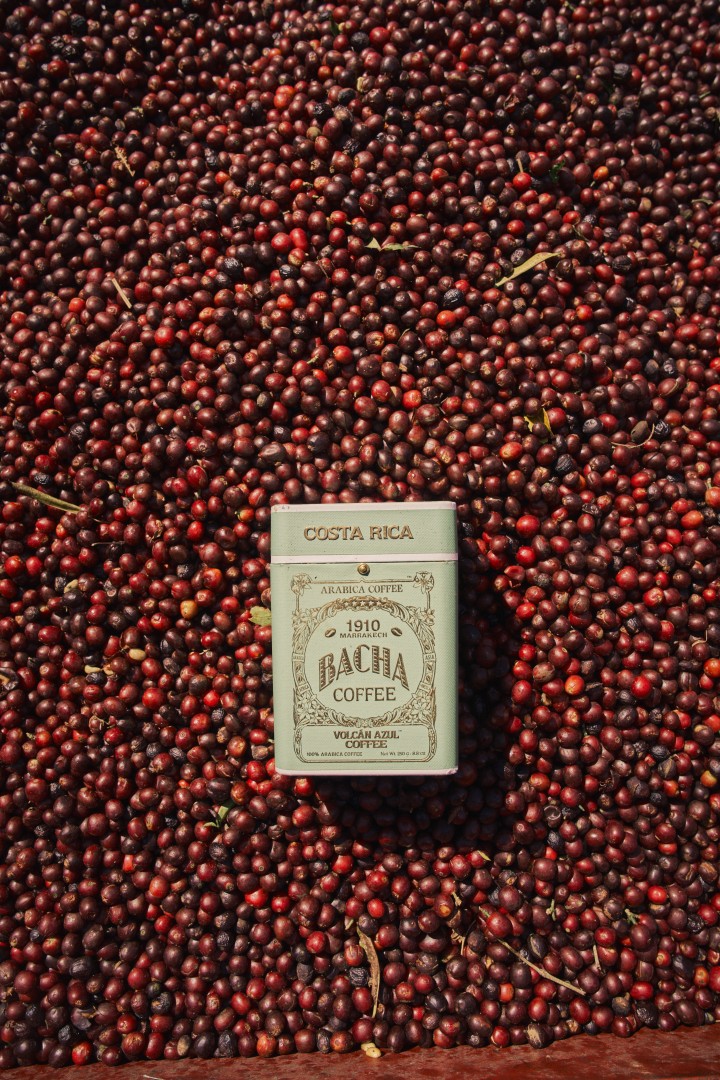
Bacha Coffee has released Costa Rica: Pura Vida, Pura Tierra, the second film in its Journeys to the Source series, tracing the production of specialty coffee in Costa Rica from the volcanic highlands to Bacha Coffee’s roasting facility in Marrakech. Directed by documentary filmmaker Fraser Morton, the film follows Rüdiger Freytag, Head of Coffee Procurement & Production at Bacha Coffee, as he examines the factors that influence coffee quality, from variety and altitude to ripeness, cultivation, processing, drying, and time.
Seven Generations at Volcán Azul
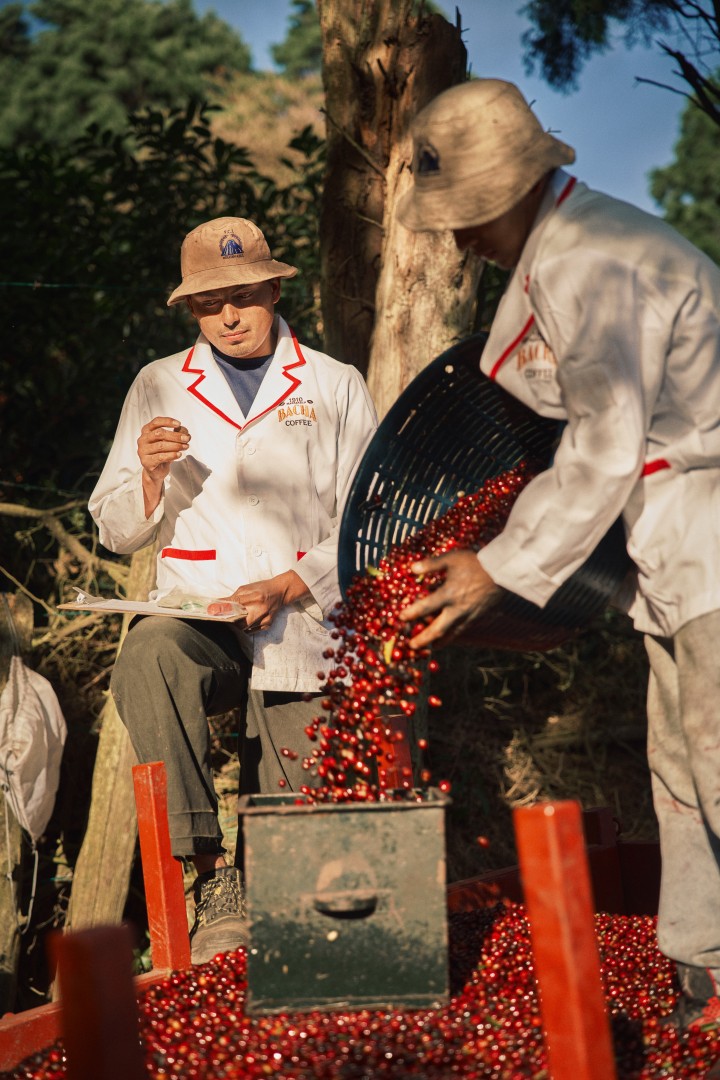
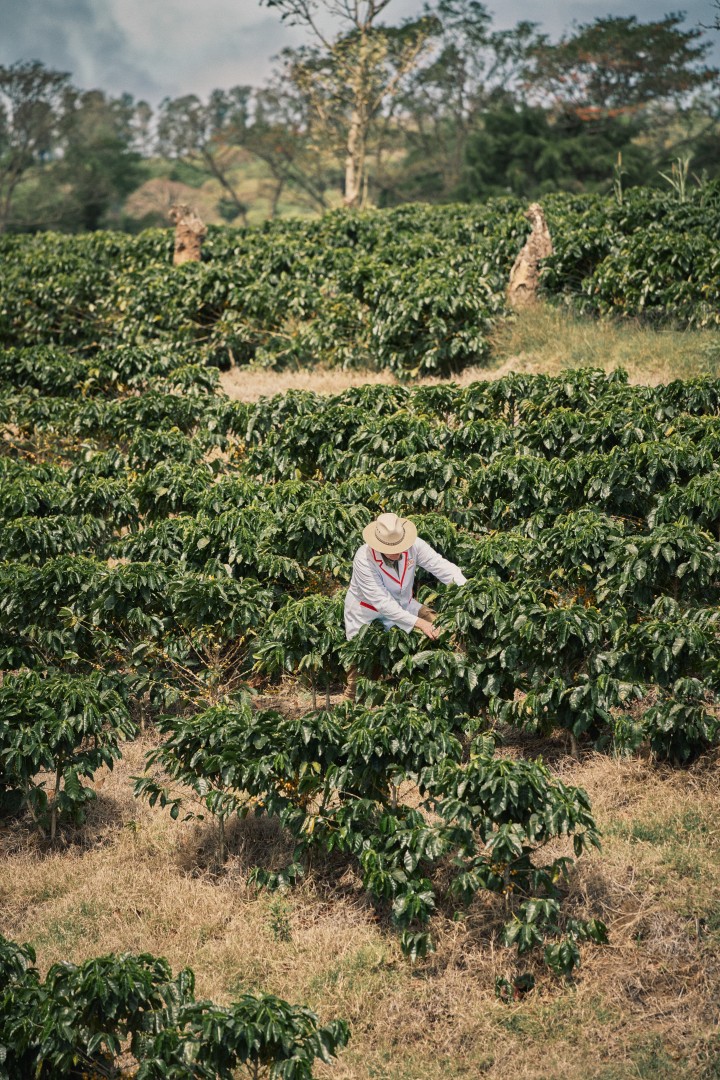
The film takes viewers to Volcán Azul, a specialty coffee farm on the slopes of the Poás Volcano where the same family has cultivated coffee for seven generations. The farm covers 300 hectares, with around 220 hectares dedicated to conservation. Its volcanic soil, altitude, cooler temperatures, humidity, and surrounding forest create conditions that allow Arabica coffee to grow and cherries to mature more slowly.
The surrounding forest also plays a role in cultivation. Tree cover helps regulate temperature and retain moisture while supporting birds, insects, plants, and microorganisms. At Volcán Azul, the farming family also protects ground cover, restores shade trees, reduces herbicide use, and encourages biodiversity while continuing to refine how different coffee varieties are cultivated and processed.
The film places this approach within Costa Rica’s longer coffee history. Arabica coffee has been cultivated in the country for more than two centuries, with coffee production contributing to the development of infrastructure and cultural institutions. In 1989, Costa Rica also banned commercial cultivation of Robusta coffee as part of efforts to maintain the reputation of its Arabica production.
How Processing Shapes the Cup
Four Bacha Coffee selections feature in the film: Volcán Azul Gesha, Volcán Azul Red Honey, Volcán Azul, and Naranjo Mountain. Together, they demonstrate how variety, altitude, cultivation, and processing can produce different flavour profiles from the same country.
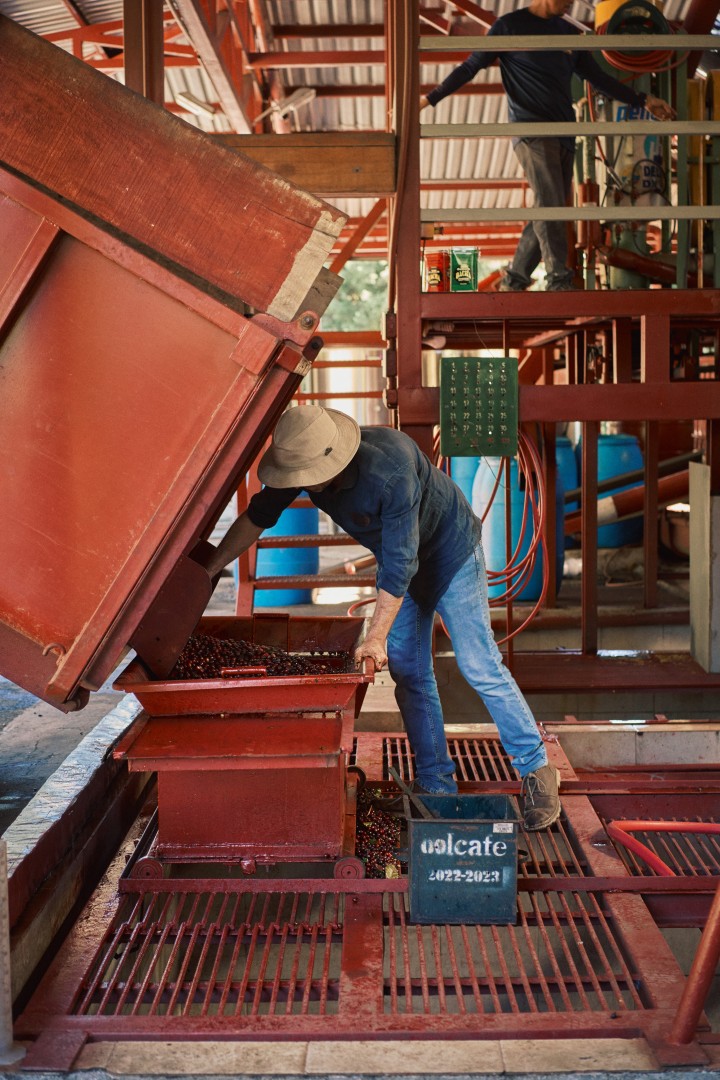
At Volcán Azul, the film looks closely at honey and fully washed processing. With honey processing, some of the naturally sweet mucilage surrounding the coffee seed remains during drying, with temperature, humidity, and drying time carefully controlled. Fully washed coffee, meanwhile, has the fruit removed before drying, allowing the characteristics of the bean to come through with greater clarity.
For Freytag, visiting coffee farms is also part of understanding the product. “There are several reasons to come directly to the source of the coffee. It is about relationships with the farmers. So they understand what we are looking for, and so we understand how the coffee is grown and how the process develops in reality,” he said.
That relationship continues through regular farm visits, shared tasting sessions, and discussions with producers. Bacha Coffee says this allows its coffee team to understand the conditions behind each harvest while giving farmers a clearer understanding of the quality and profiles the company is looking for.
From Costa Rica to Marrakech
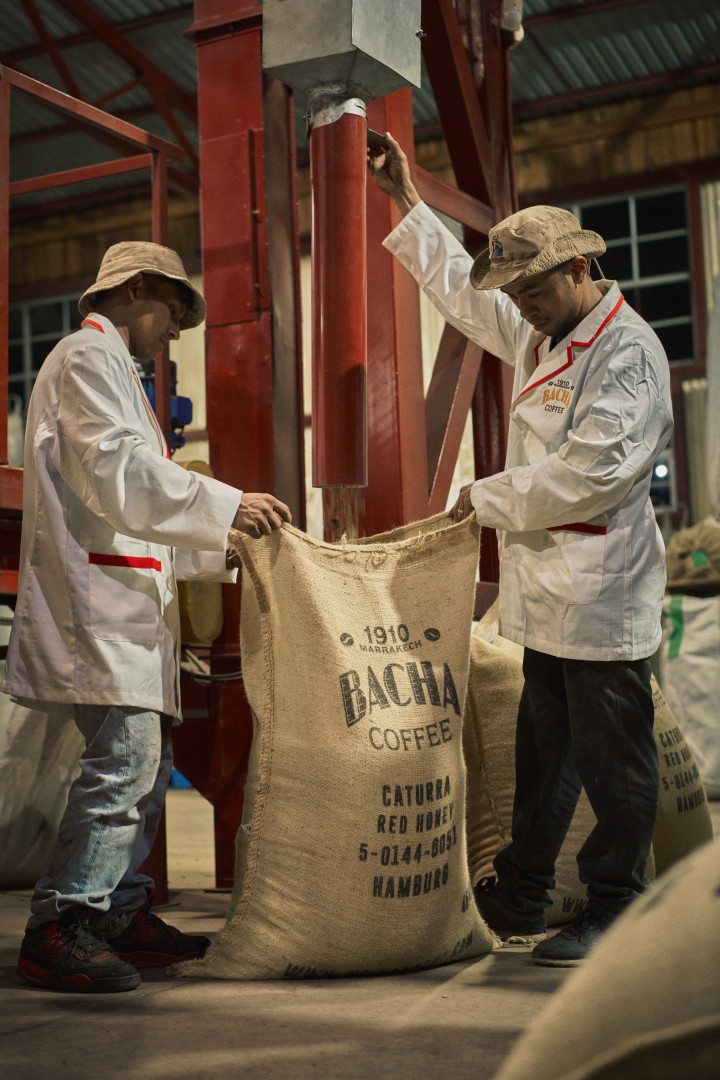
The sourcing process continues after the green coffee has been selected. Bacha Coffee brings the coffees to Marrakech, where each is given an individual slow-roasting approach designed to preserve and highlight characteristics associated with its origin rather than applying one standard flavour profile across the collection.
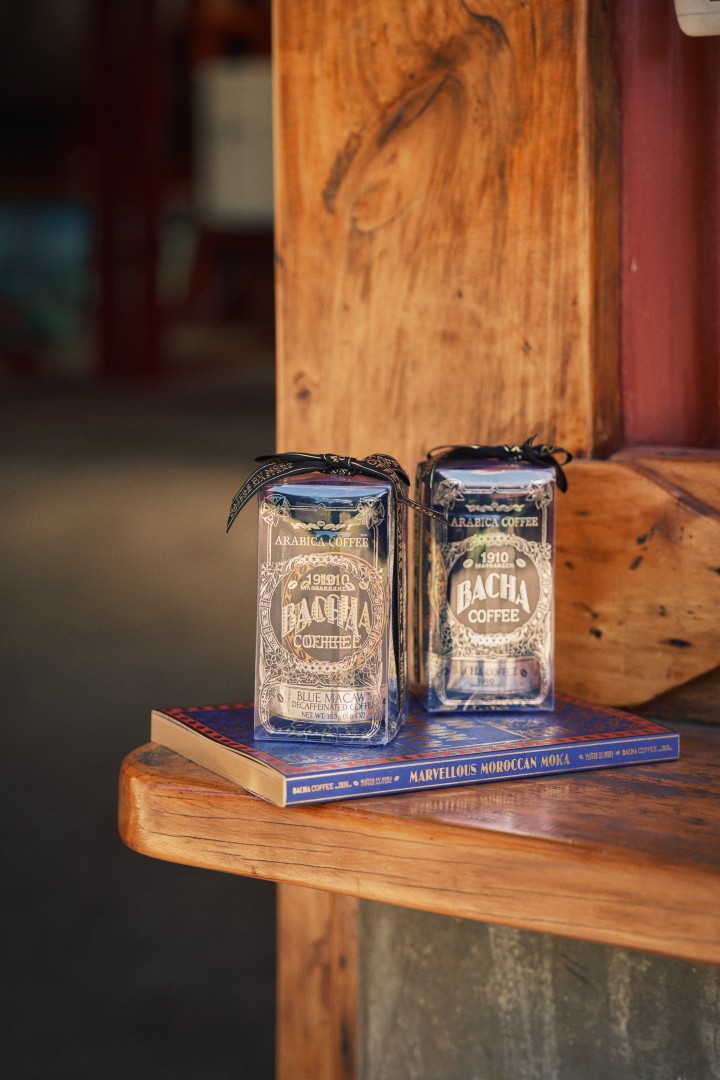
The four Costa Rican coffees featured in the film reflect different expressions of the country’s terroir. Volcán Azul Gesha is grown at more than 1,500 metres on the slopes of Poás Volcano and is described with notes of honey, dark chocolate liquor, and Mirabelle plum-like acidity. It is a honey-processed single-origin coffee with a medium-dark roast and an intensity of 1.5/5, available from Rp1,888,000 per 100 grams at Bacha Coffee Boutique.
Volcán Azul Red Honey is also cultivated at Volcán Azul and undergoes honey processing before being slowly dried under shade. Its profile features dried fruit and chocolate with a soft sweetness, with a medium roast and intensity of 1.5/5. It is available from Rp328,000 per 100 grams.
Volcán Azul Coffee comes from a family farm surrounded by extensive rainforest. The cherries are harvested at the appropriate level of ripeness and processed directly at the farm, resulting in a cup described by Bacha Coffee as aromatic in acidity, soft in flavour, and harmonious in body. The coffee has a medium roast, intensity of 2/5, and wet or washed processing, with prices starting from Rp288,000 per 100 grams.
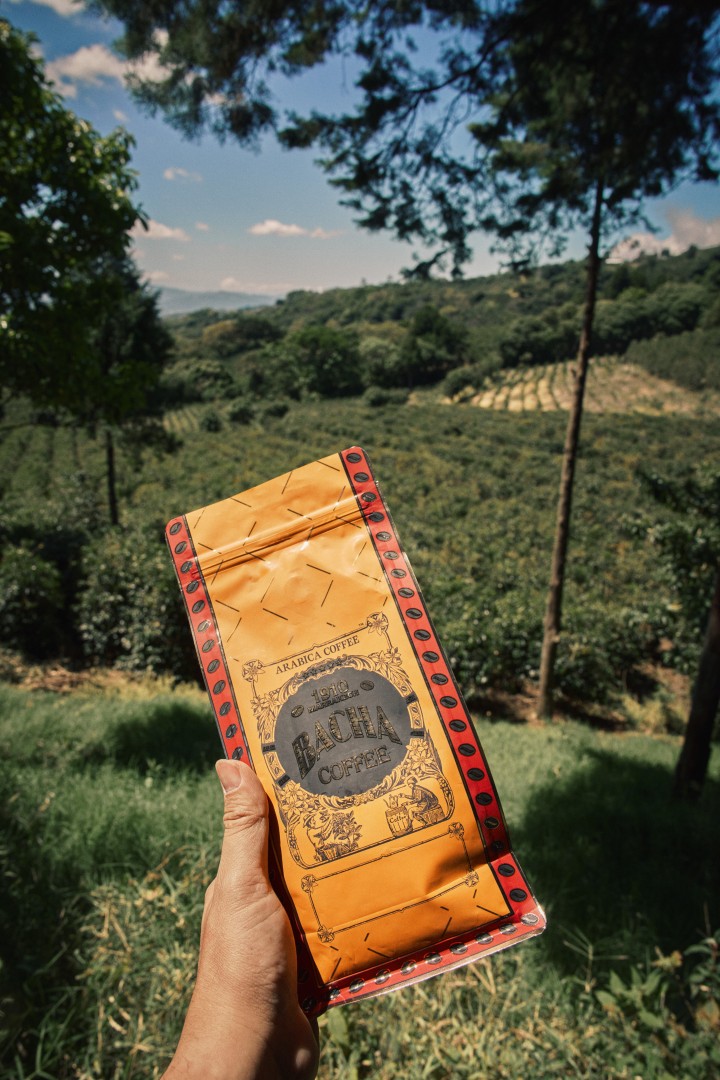
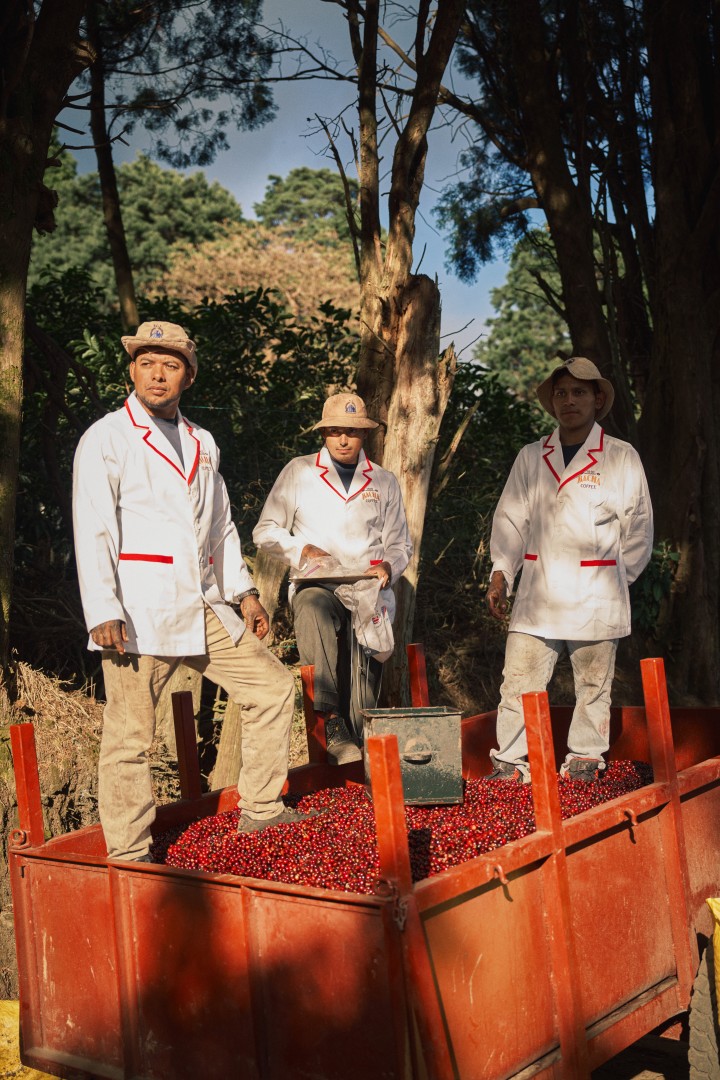
Naranjo Mountain Coffee is cultivated at altitudes between 1,200 and 1,700 metres, with only the ripest cherries selected by hand. Its profile combines soft malty and nutty notes with a bright citrus finish. It has a medium roast, intensity of 2/5, and wet or washed processing, with prices starting from Rp268,000 per 100 grams. It is also available in Bacha Coffee’s Coffee Bag Collection.
Through Costa Rica: Pura Vida, Pura Tierra, Bacha Coffee uses the Costa Rican coffee journey to show how factors that begin on the farm can remain identifiable in the finished cup. The film connects conservation, farming knowledge, processing, sourcing, and roasting through four coffees from the same origin, while documenting the people and practices involved at each stage.