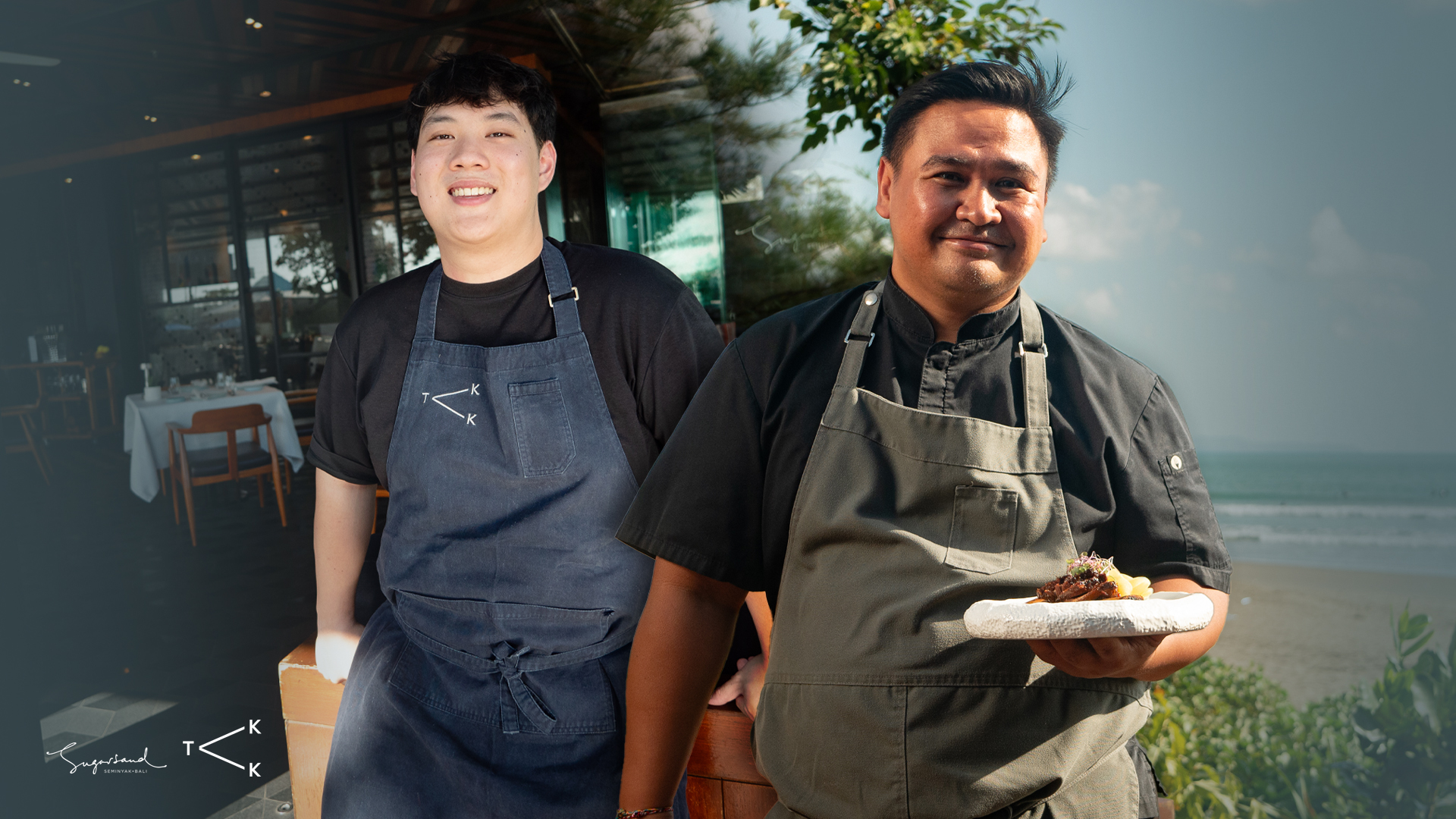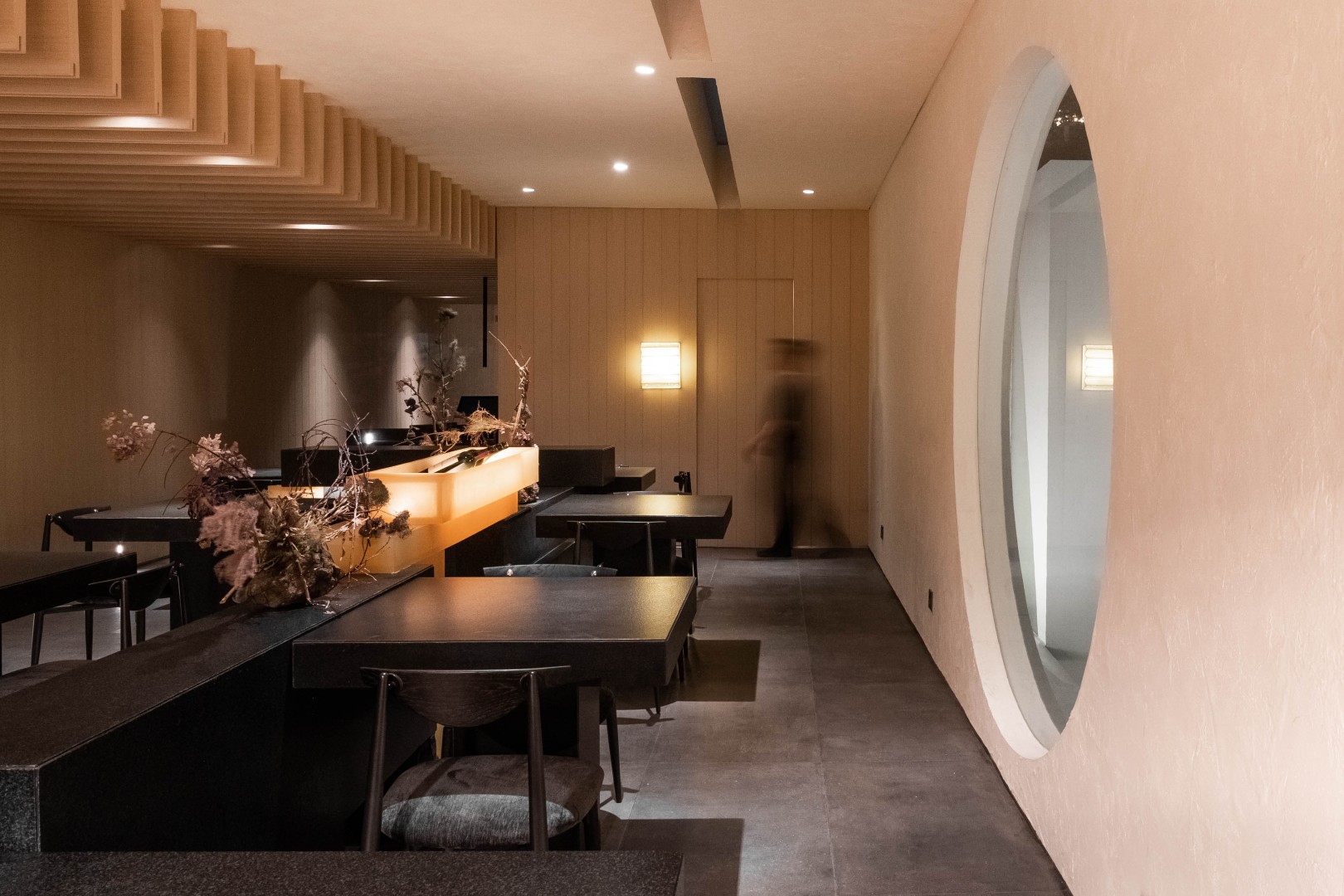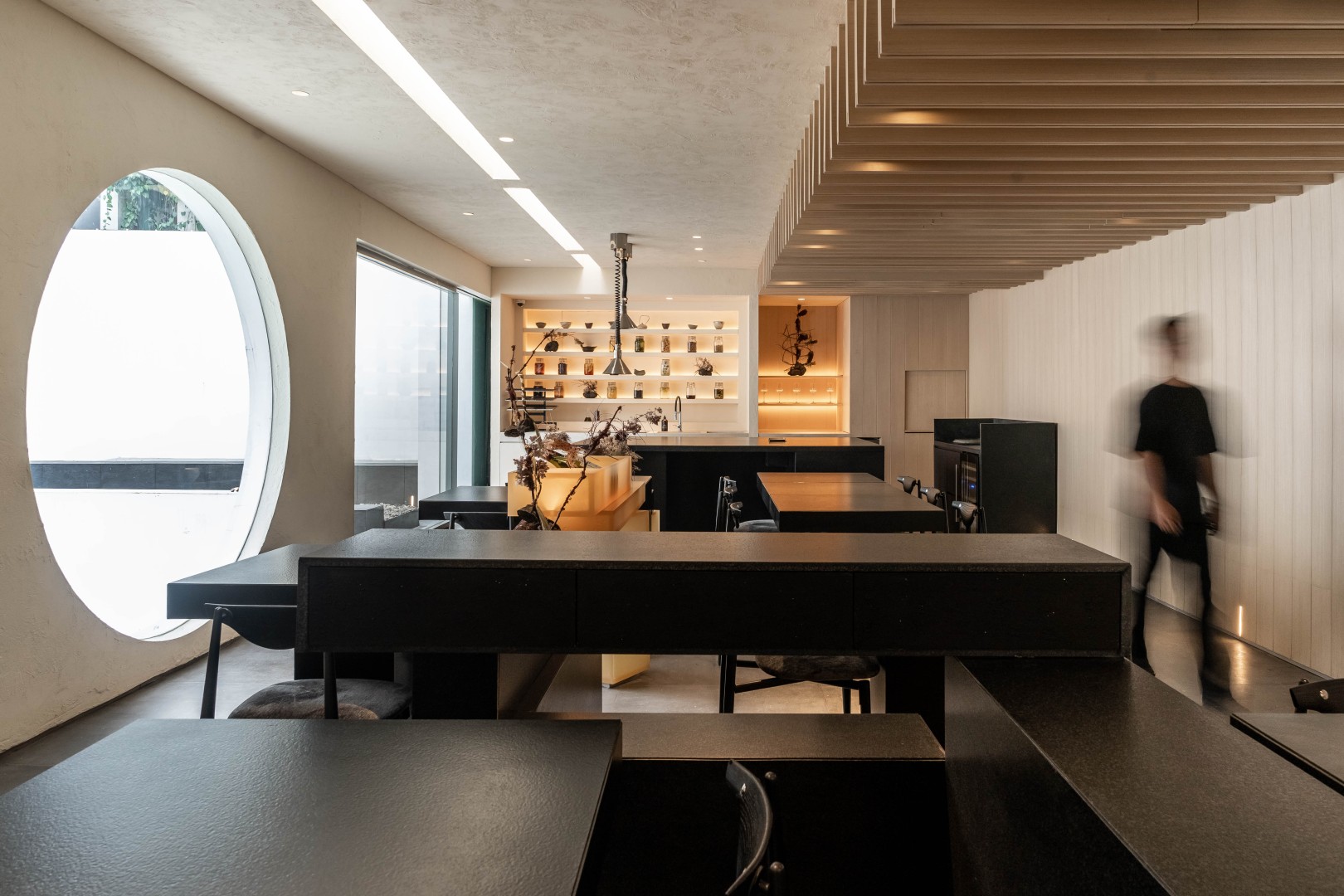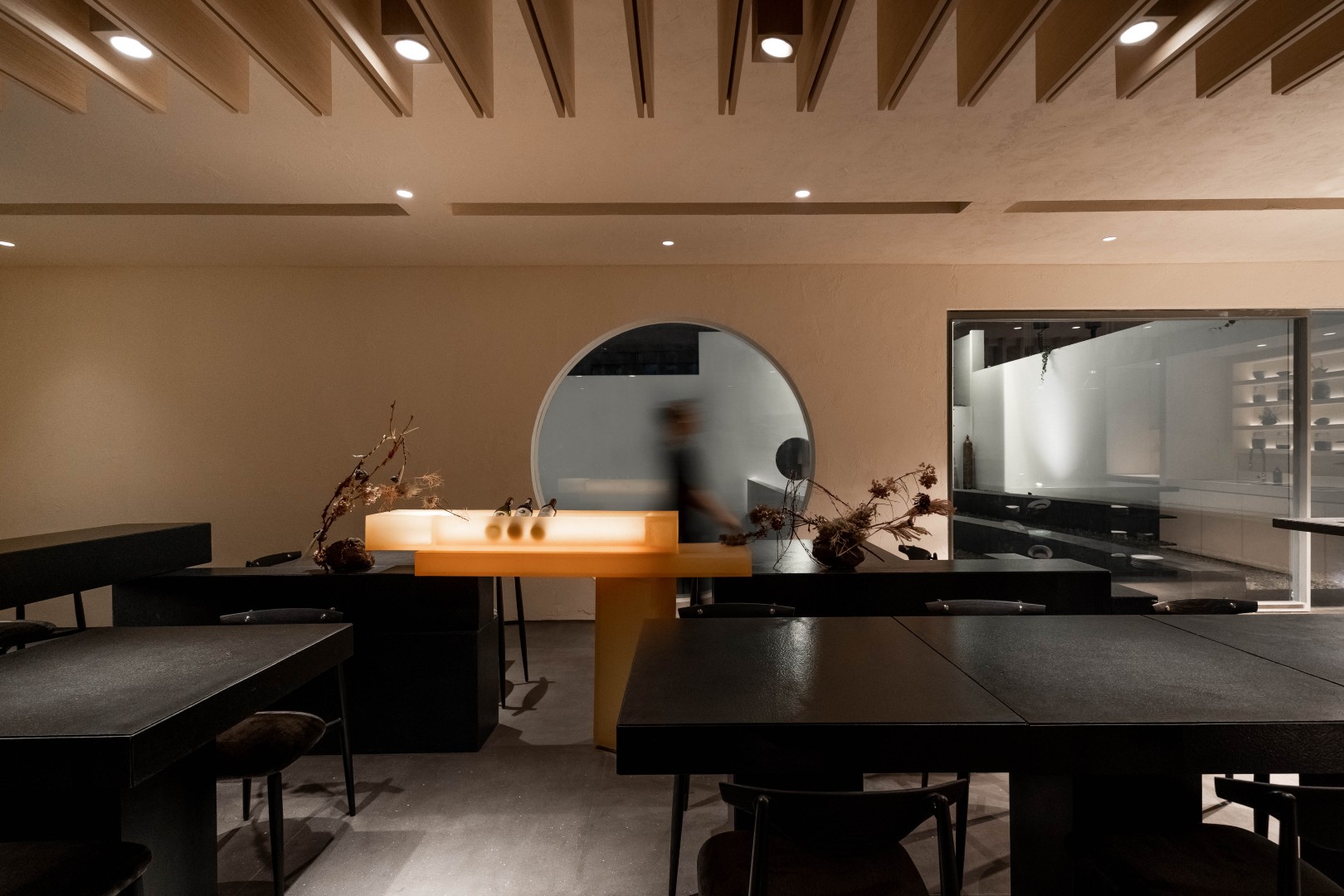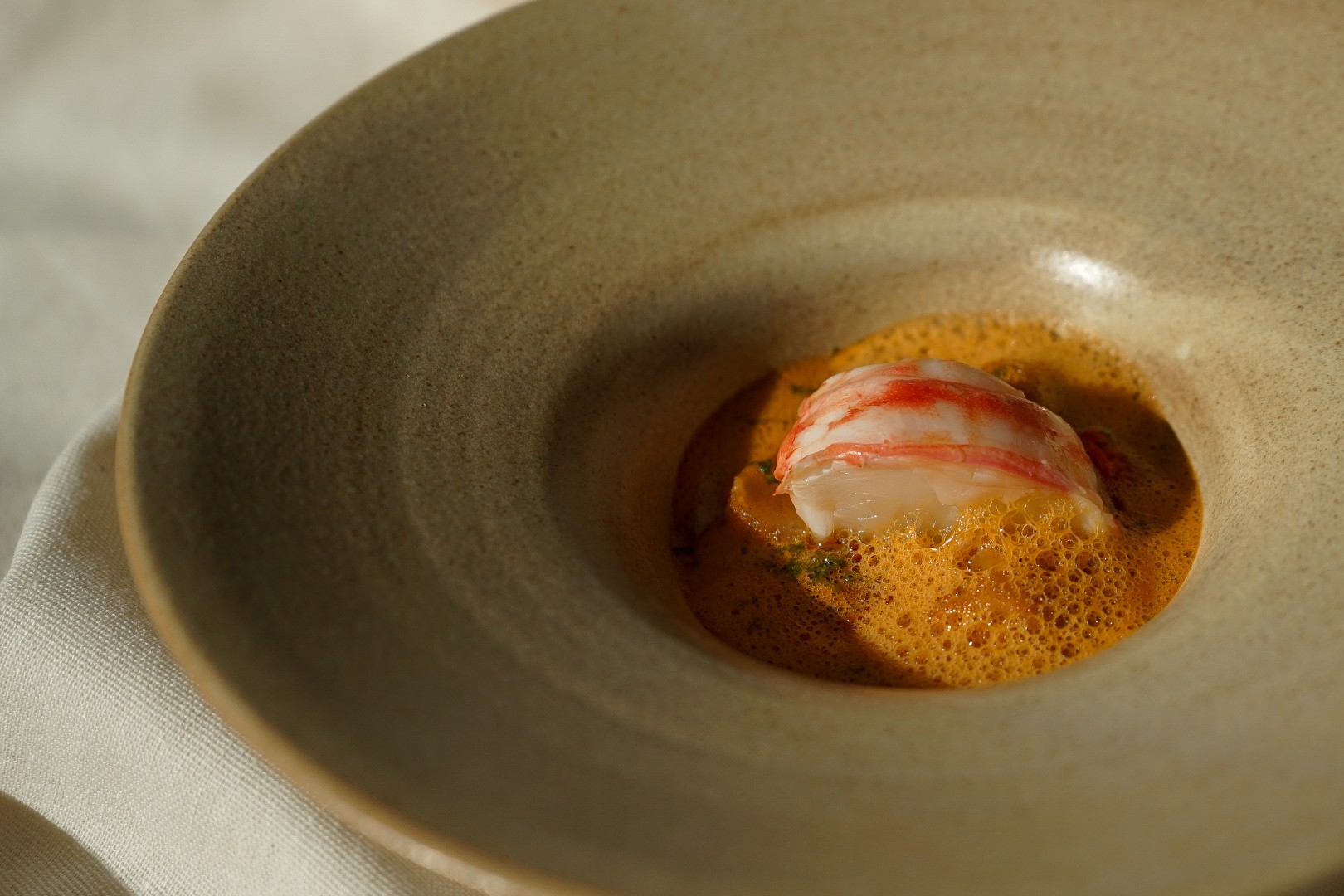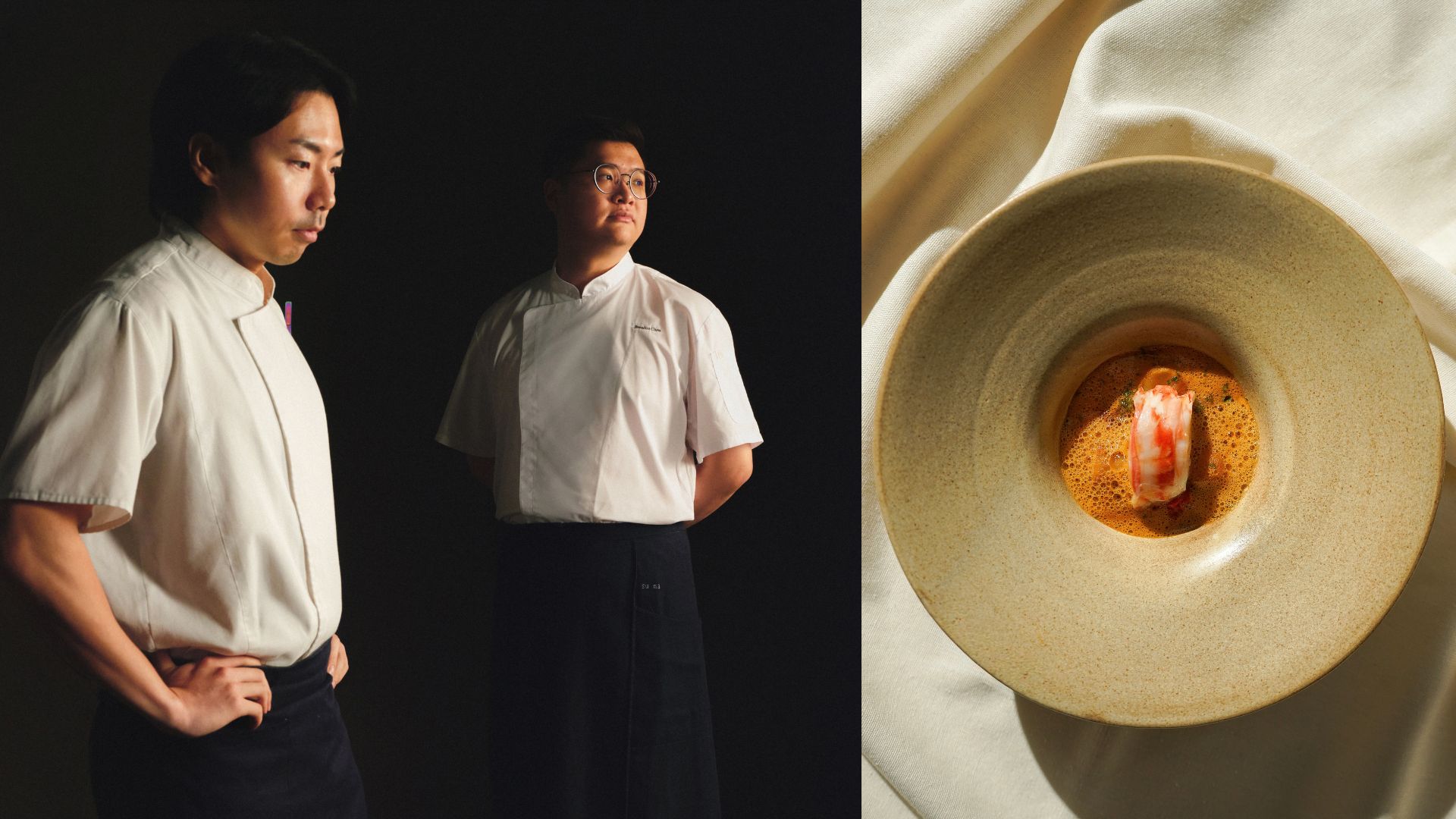
SU MA has built its identity around contemporary East Asian dining, drawing from Chinese and Korean culinary traditions while allowing those influences to evolve through modern techniques and individual perspectives. That approach is shaped by Executive Chef Brendon Chen and Co-Executive Chef Ryan Kim, whose different culinary backgrounds have become part of the conversation behind the food.
Rather than trying to make their cooking styles identical, the two chefs work through their differences. When they disagree about a dish, the answer is not about whose idea wins, but whether the change makes the food better.
“We don’t try to prove whose idea is better or nicer. We just taste, discuss, and keep asking together, like, does this make the dish better for both our sides?” Ryan says. “And at the end, it’s about food, not about who came up with the idea.”
Brendon sees those differences as an advantage. “We have quite different personalities, so sometimes we see a dish completely different, but I think it’s actually a good thing. We taste everything, talk about it, and eventually it comes down to one question. Does it make the dish better?”
Two Culinary Paths Meet at SU MA
Before arriving in Jakarta, Brendon Chen’s career took him through kitchens in Europe and Asia. He spent time at the one-Michelin-starred Restaurant du Vieux Pont in France and MUME in Taiwan before returning to Kuala Lumpur, where he opened his own restaurant, Playte. SU MA’s current profile also includes Restaurant Studio and Nadodi among his previous experiences.
Ryan, meanwhile, brings a culinary perspective shaped by his Korean background, experience in Australia and a strong foundation in pastry. His approach to food naturally gravitates towards fermentation, texture and the nostalgic flavours of Korea. At SU MA, those influences meet Brendon’s interest in technique and ingredients.
“For me, it’s probably more about the technique and ingredients,” Brendon says. “I like understanding an ingredient and figuring out how far we can take it without losing what makes it special.”
That difference in perspective can change something as fundamental as how an ingredient is cooked. Ryan says working with Brendon has introduced him to techniques and preparations that were unfamiliar from his own culinary background.
Looking at Indonesia Through Their Own Lens
Their different backgrounds also influence how they approach Indonesian ingredients at SU MA. For both chefs, the goal is not to add local ingredients simply to make a dish appear Indonesian. Instead, they first want to understand the ingredient itself — how it is traditionally used, and what makes its flavour and texture distinctive — before considering how they can interpret it through their own experiences.
“The ingredient has to come naturally,” Brendon says. “I don’t want to put something in Indonesian just for the sake of it or just to make it sound interesting.”
Ryan shares the same concern. “We don’t want to take an Indonesian ingredient and change it so much that you lose what makes it special,” he says. For the chefs, approaching these ingredients as outsiders gives them another perspective, while their individual backgrounds allow them to find connections that may not be immediately obvious.
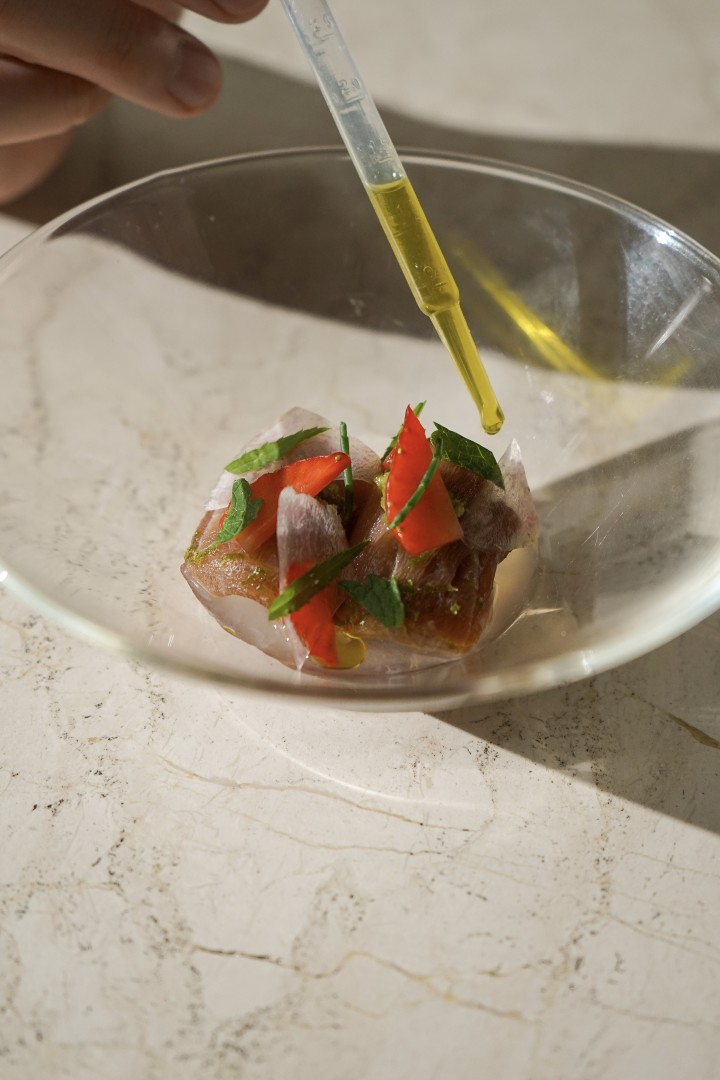
Andaliman, for example, has become one of Brendon’s favourite Indonesian ingredients. He compares its peppery character to Sichuan peppercorn or Japanese sansho, but points to its distinctive citrusy profile. At SU MA, he uses it in a tuna dish alongside white kimchi liquid that the team ferments themselves.
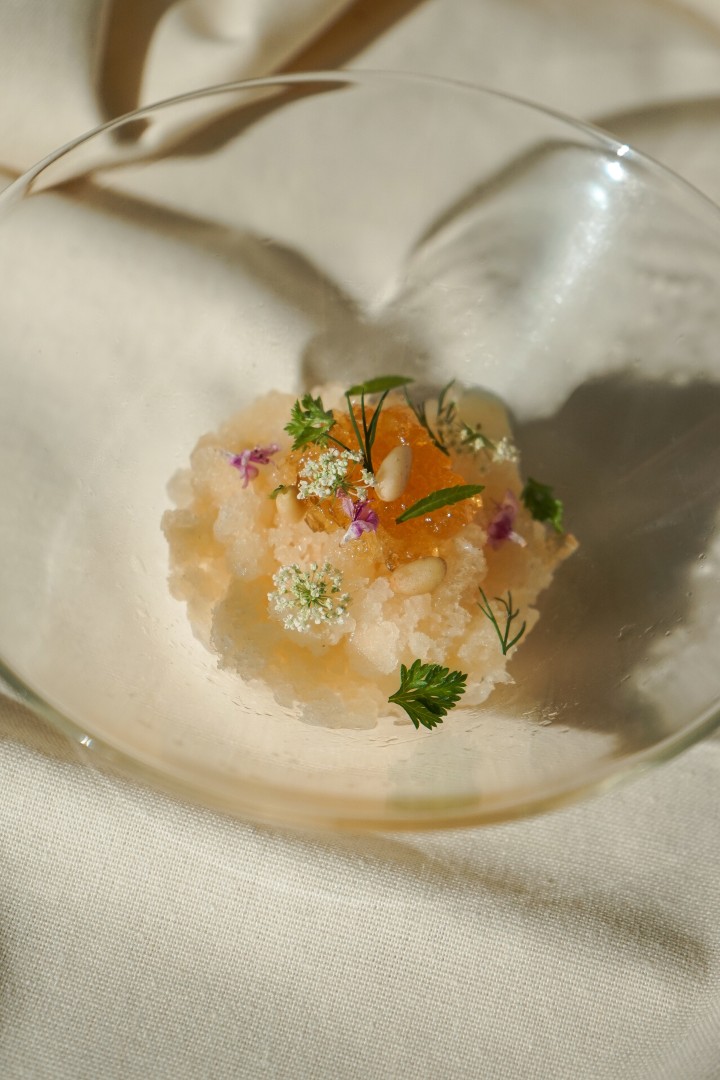
For Ryan, Indonesian fermentation offers another point of connection with his Korean background. Tapai, a fermented rice preparation, reminded him of a Korean dessert made from fermented rice, although the resulting flavours are different. That familiarity became a way for him to understand the ingredient while also learning how it is handled in Indonesia.
There is no single formula for creating a dish at SU MA. Sometimes the starting point is an ingredient, sometimes a technique, and sometimes a dish one of the chefs remembers from growing up.
“We do a tasting menu, so we do 10 dishes. So each dish comes from a different idea, different angle. It could be anything,” Brendon says.
Ryan describes the process as beginning with memory and heritage — recalling ingredients and dishes they grew up eating, then asking how those flavours might be approached differently through techniques from other cultures.
One dish that captures their shared but different memories involves dried squid. Ryan grew up eating it as a snack, while Brendon remembers his mother using it in soup. The same ingredient therefore carries two distinct culinary memories, which the chefs were able to bring together in one dish.
Brendon arrives at a similar idea from another direction. “Hopefully they remember that the food felt different, but still somehow similar,” he says. “For me, that’s what we are trying to create here. A dish that makes you curious but still gives you something that you can connect with.”
SU MA
Jl. Sultan Hasanudin No.74, RT.2/RW.1, Melawai, Kec. Kby. Baru, Kota Jakarta Selatan, Daerah Khusus Ibukota Jakarta 12160