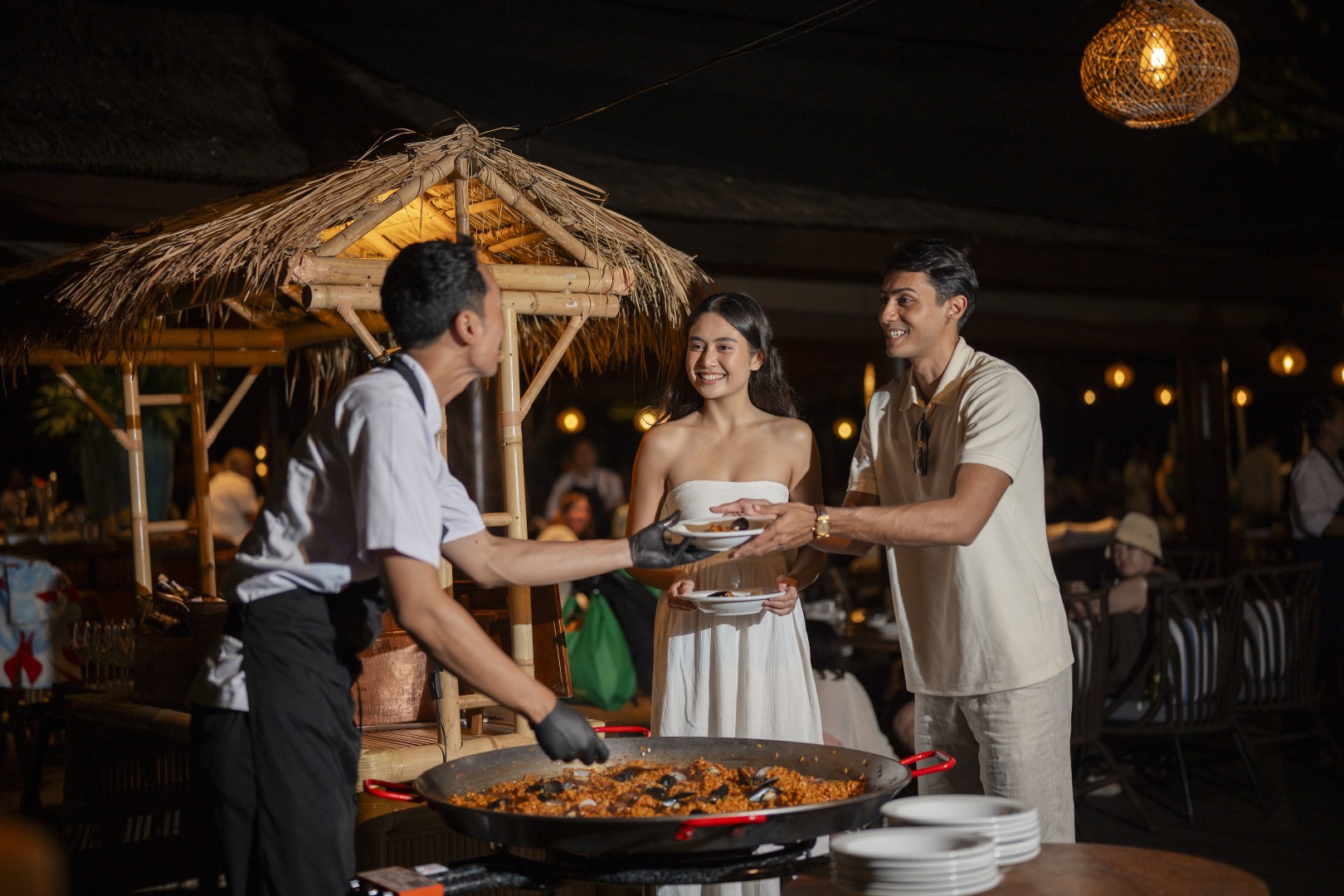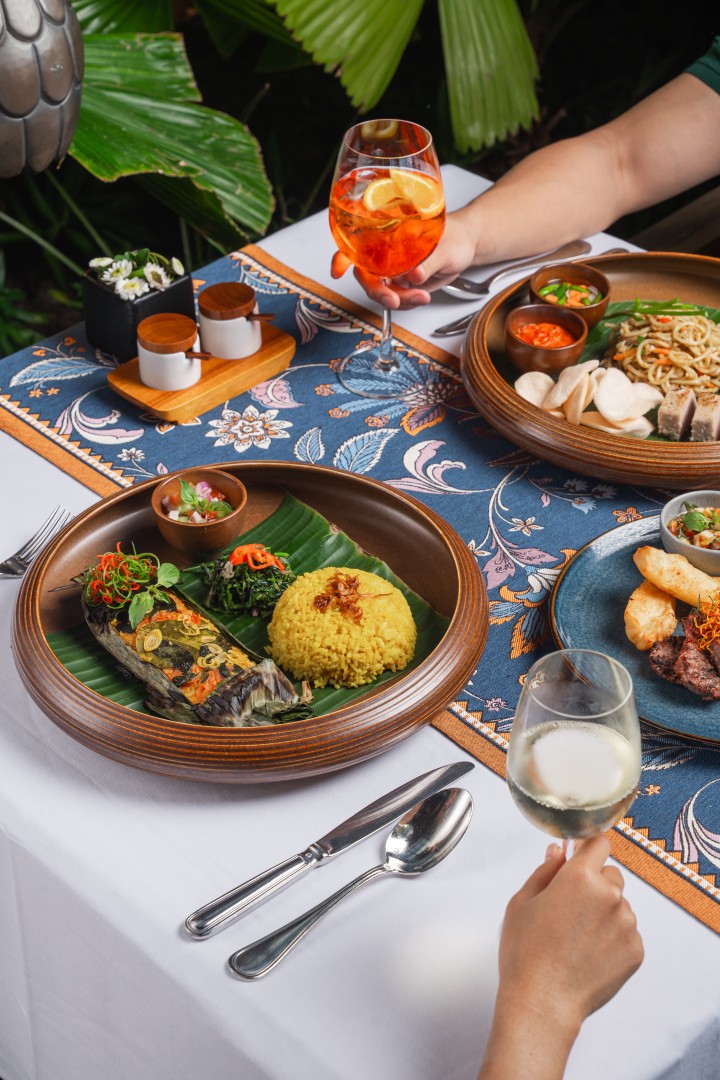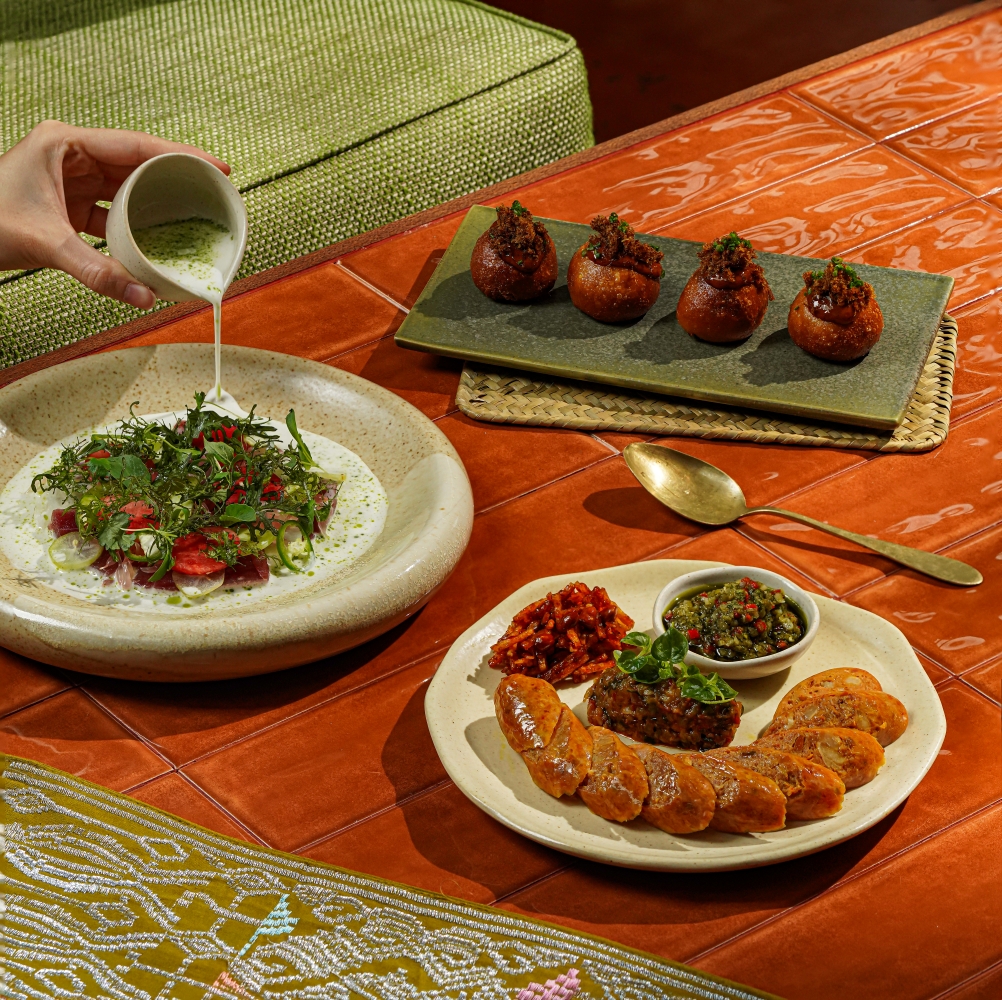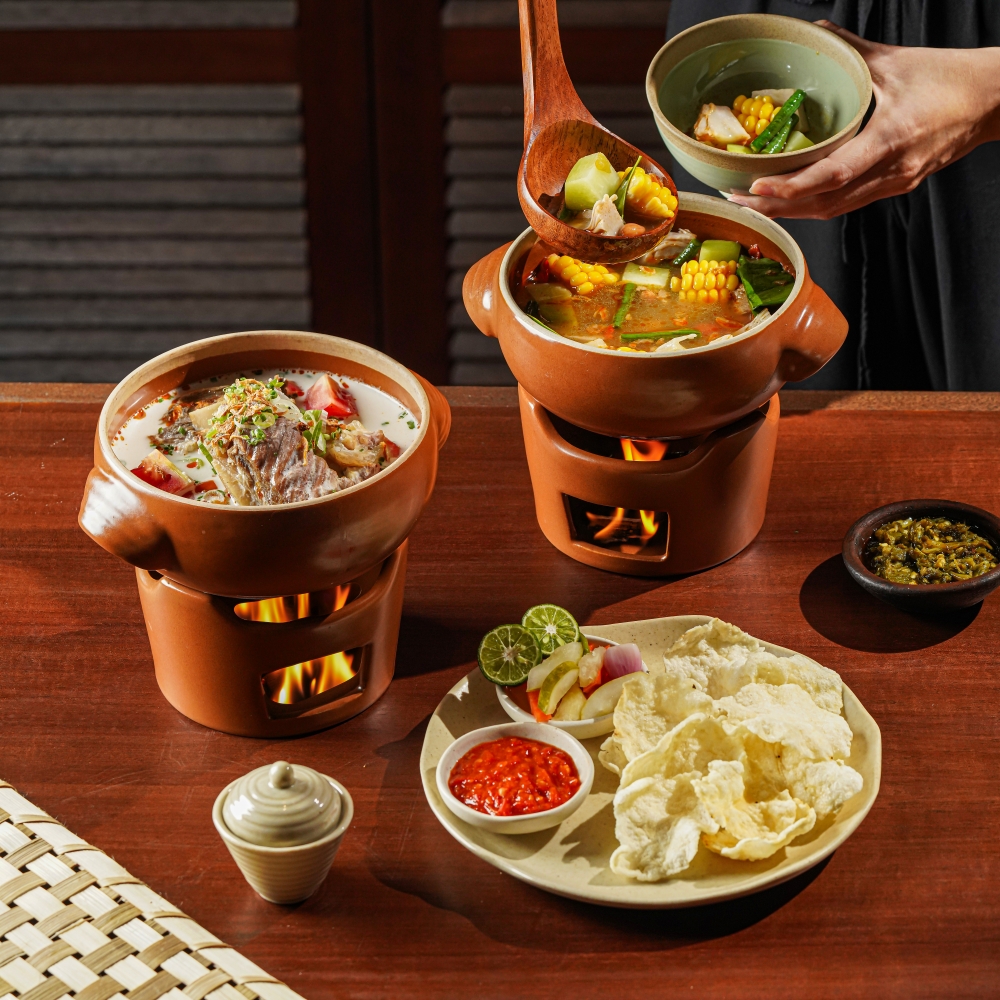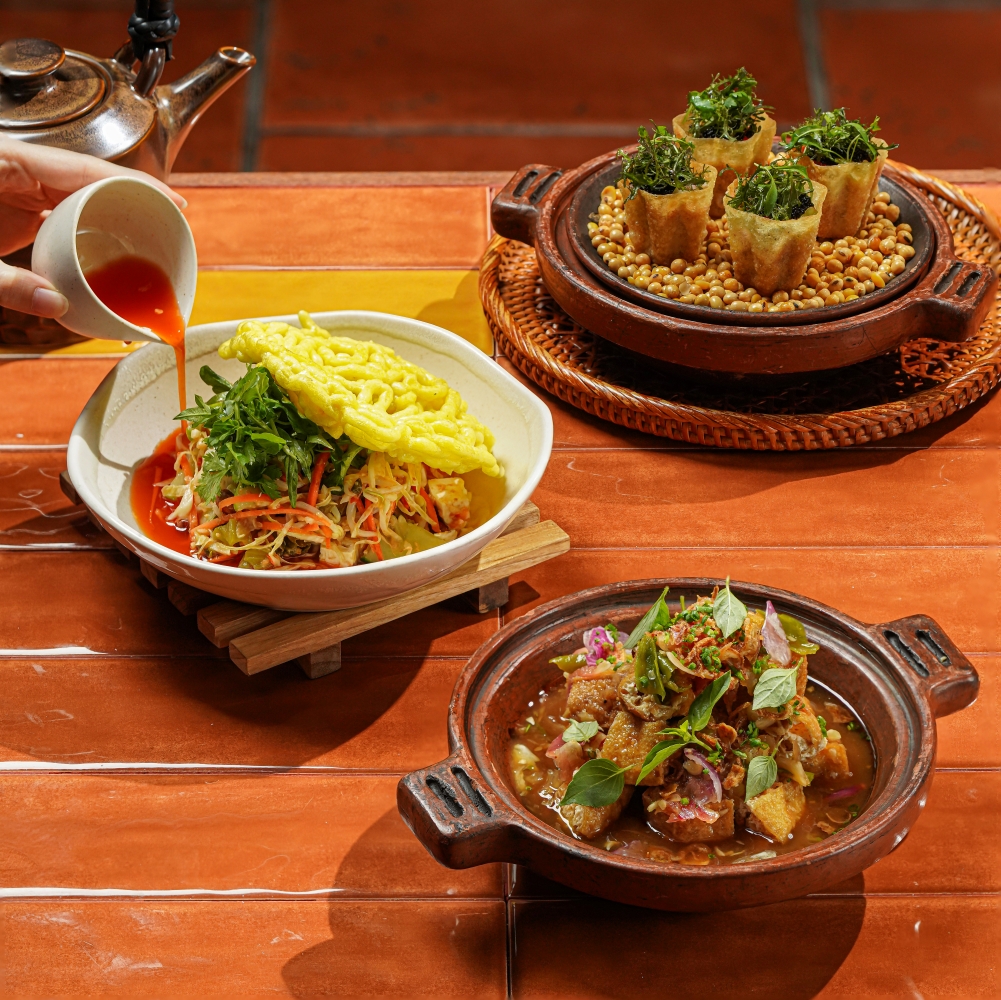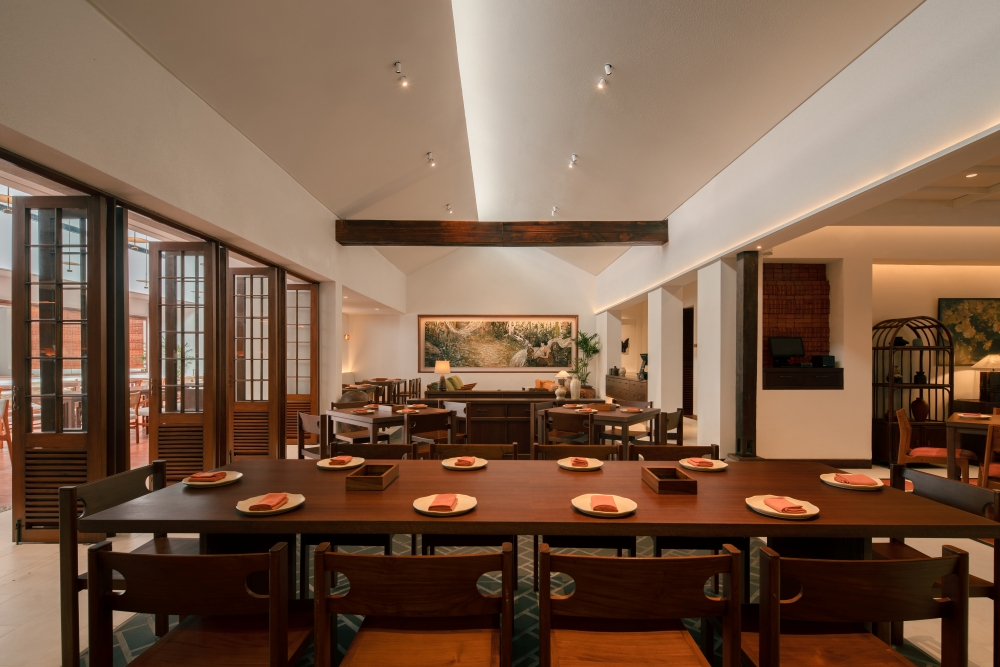
TAMU has introduced eighteen new dishes inspired by recipes and cooking traditions from across Indonesia. The collection, called New Stories at TAMU’s Table, brings flavors from Aceh, North Sumatra, West Sumatra, Java, Bali, and Lombok into one setting. Guided by the idea of Tatap Muka—sharing meals face-to-face—TAMU treats dining as a way to open conversations and preserve memories. Each dish was chosen not only for its flavor but also for the cultural story it carries.
Chef Alnico Andreas of TOMA Group explains that Indonesia has no shortage of good food, but many regional recipes remain overlooked. These new additions aim to highlight those dishes and show how they continue to live and grow across the archipelago.
Six Dishes, Six Stories
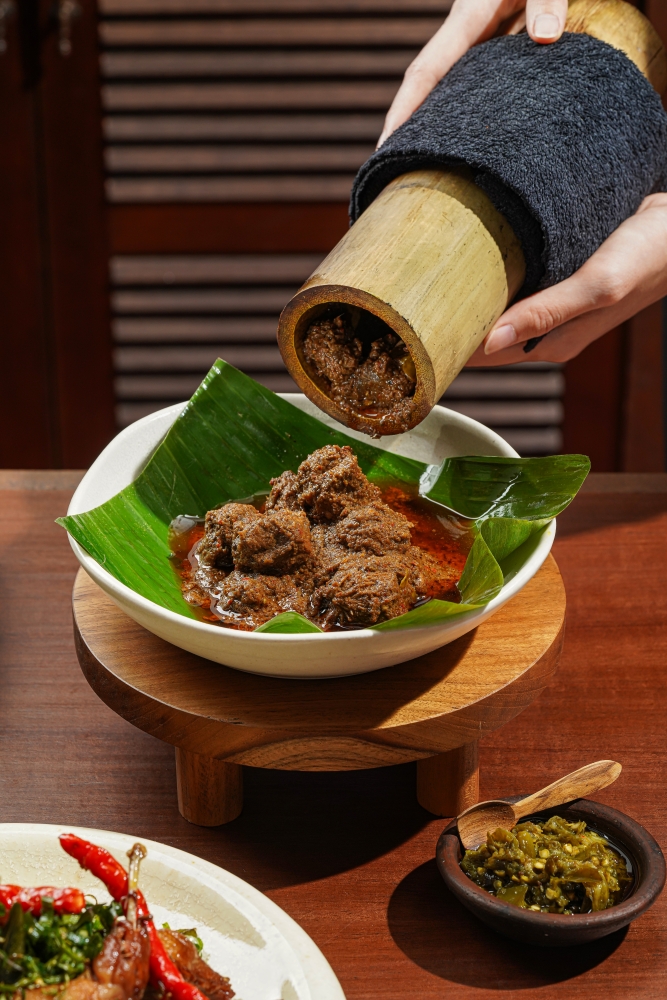
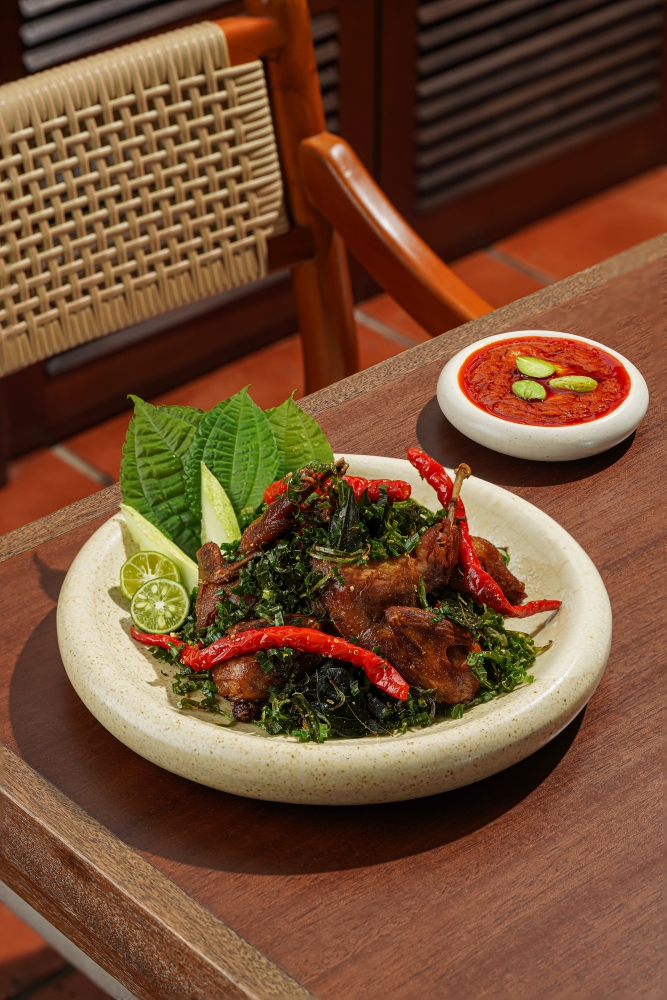
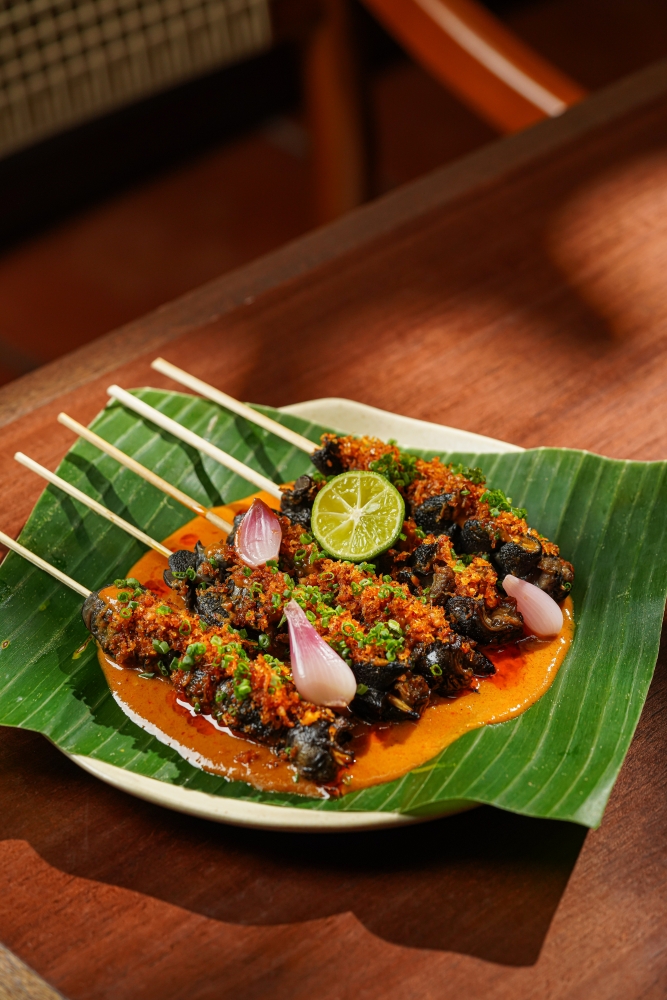
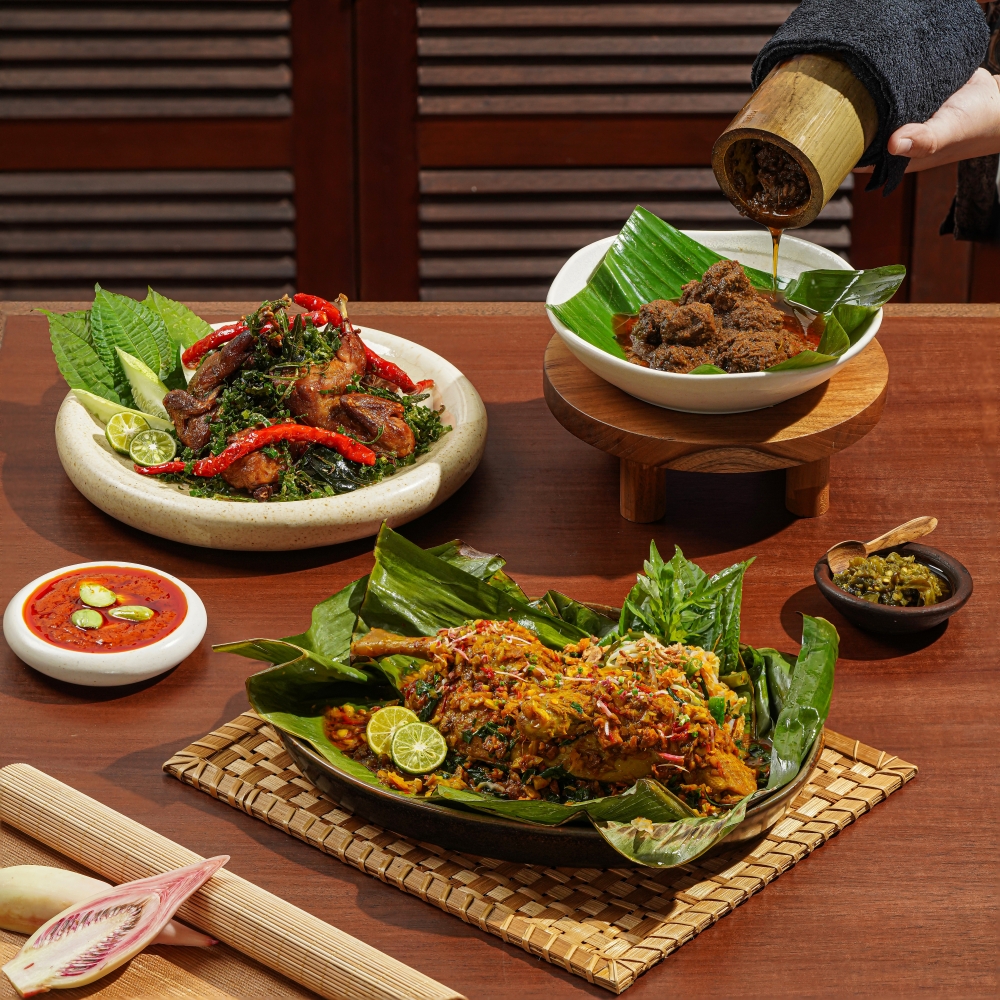
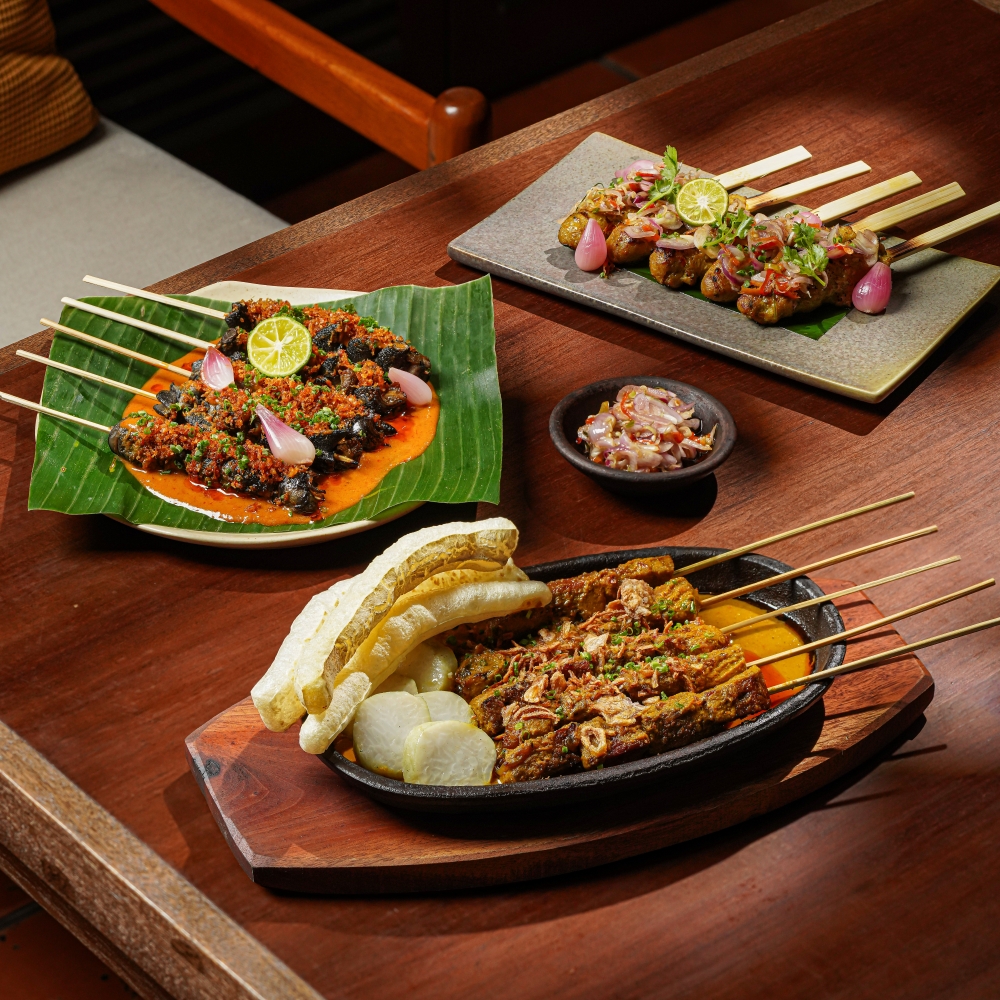
Six dishes stand out as the heart of this launch. Saksang Sapi Masak di Buluh brings Batak traditions to the table, with beef and mushrooms cooked inside bamboo tubes over embers. North Sumatran spices, toasted coconut, and the floral notes of andaliman create a savory dish with smoky depth. From Aceh, Puyuh Tangkap reimagines the classic Ayam Tangkap by using quail, covered with pandan and turmeric leaves, and served with toasted coconut and sambal pop. Lombok inspires Sate Tutut Bulayak, satay made from freshwater snails paired with creamy coconut sauce, brightened by pickled shallots and toasted coconut.
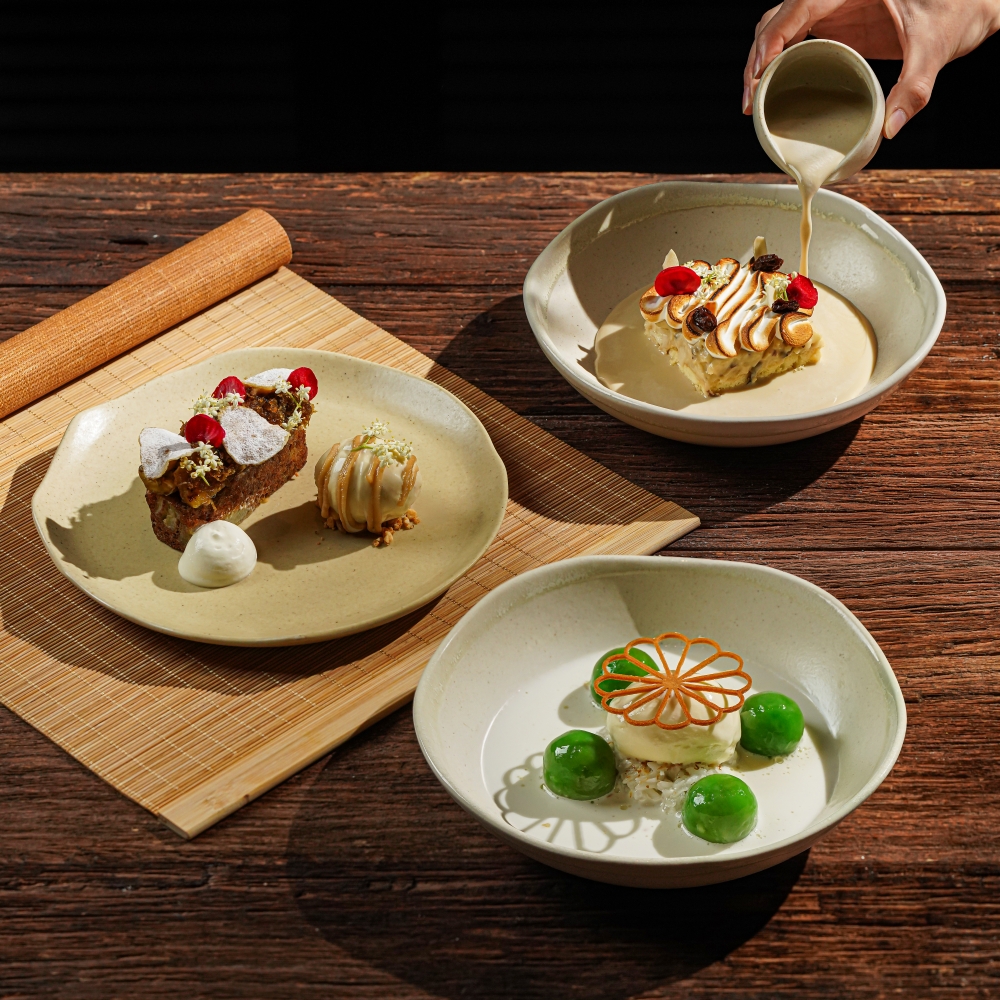
Bali’s influence appears in Bebek Bumbu Rajang, duck marinated in spice‑rich bumbu rajang, wrapped in banana leaves, and slow‑cooked until tender. It is served with cassava leaves, urap, sambal matah, and sambal embe, offering a full Balinese plate. Sate Padang combines beef tongue and shank, topped with Minang curry sauce and served with rice cakes and crispy kerupuk jangek, showing how familiar dishes still hold details worth noticing. For dessert, Pisang Kepik reinterprets West Sumatra’s Pisang Kapik with grilled banana, sponge cake, sweet coconut, coconut milk, and vanilla ice cream, mixing textures and temperatures in each bite.
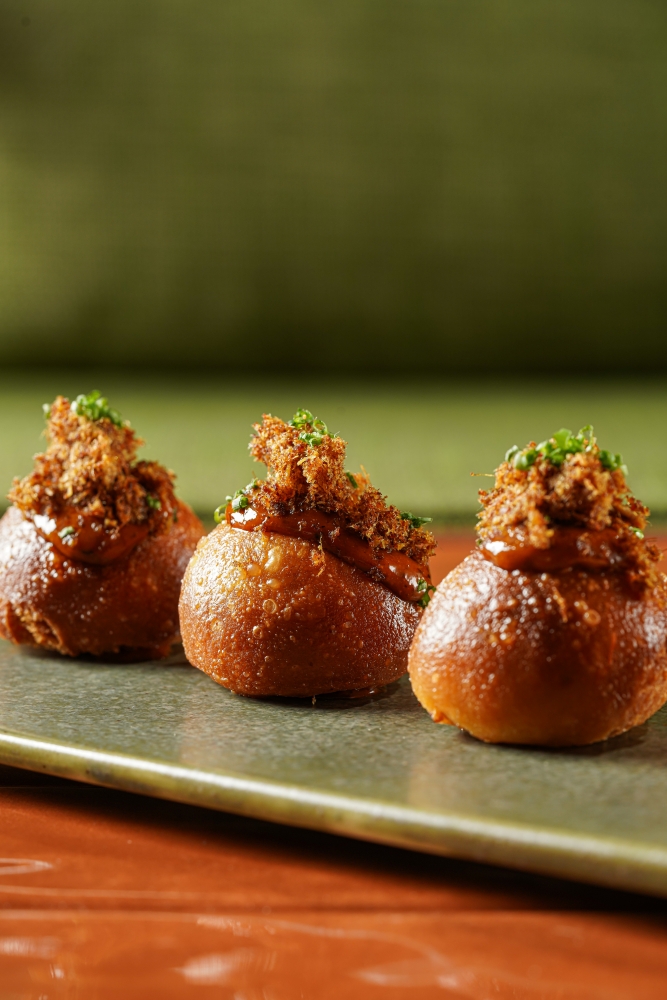
Other menus in the collection include Cakalang Pao, Tempe Mendoan, Soto Betawi, and Pesmol Fish, each carrying flavors from different corners of Indonesia. Together, they reflect TAMU’s effort to bring regional recipes into today’s dining conversations and highlight the richness of Indonesian food traditions.
Co-Founder Hartono Moe notes that many recipes and techniques remain unknown to the wider public. With this campaign, TAMU hopes guests leave not only with a meal but also with a deeper sense of how diverse Indonesian cuisine truly is.
TAMU Jakarta
Jl. Aditiawarman I No.8, RT.6/RW.2, Melawai, Kec. Kby. Baru, Kota Jakarta Selatan, Daerah Khusus Ibukota Jakarta 12160