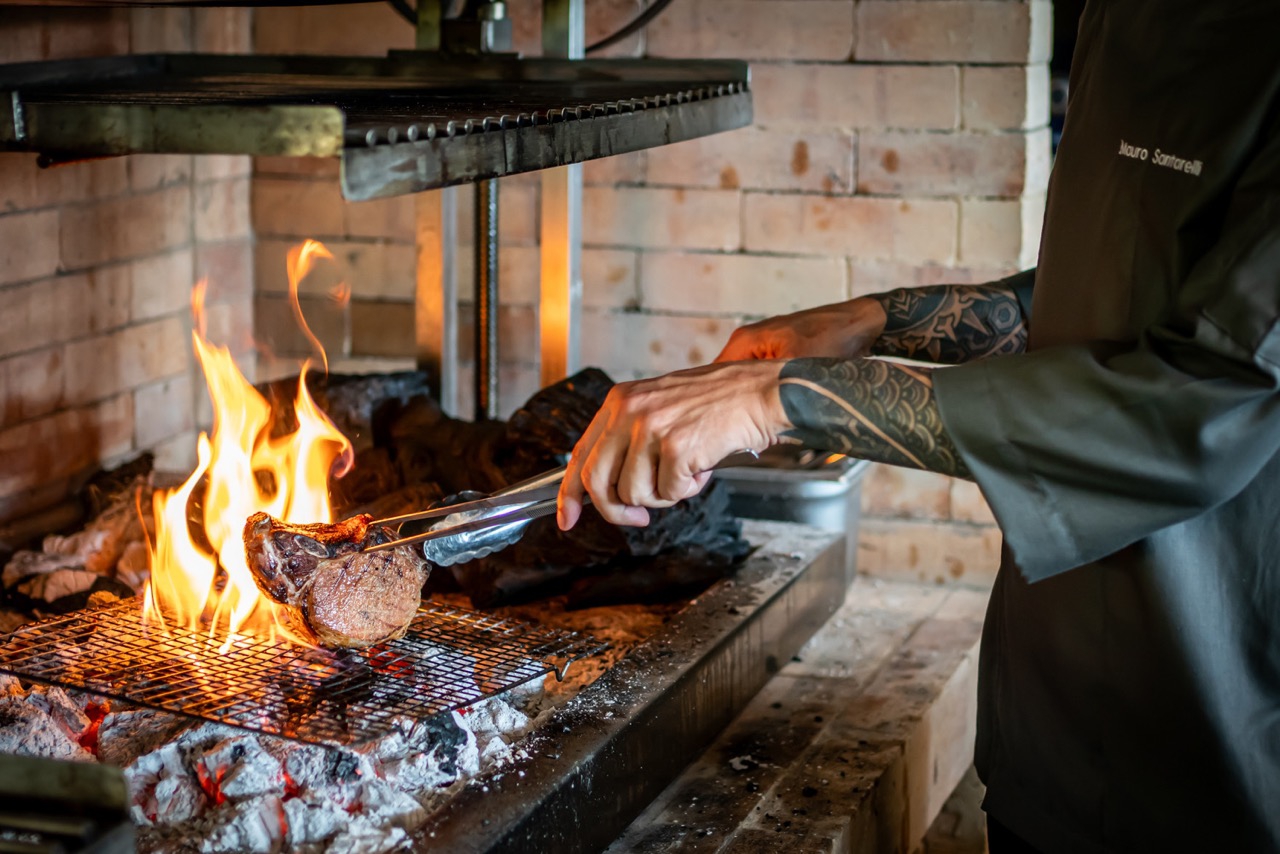
Walk past a sate cart on any Jakarta backstreet and the smoke reaches you before the food does. That particular smell — coconut-shell charcoal, fat dripping onto glowing embers — is inseparable from the dish itself. Change the fuel, and something in the experience shifts. This is not incidental. The heat source a cook chooses is one of the most consequential decisions in open-fire cooking, and the differences between conventional charcoal, binchotan, and wood are significant enough to define entire culinary traditions.
Regular Charcoal – The Democratic Fuel
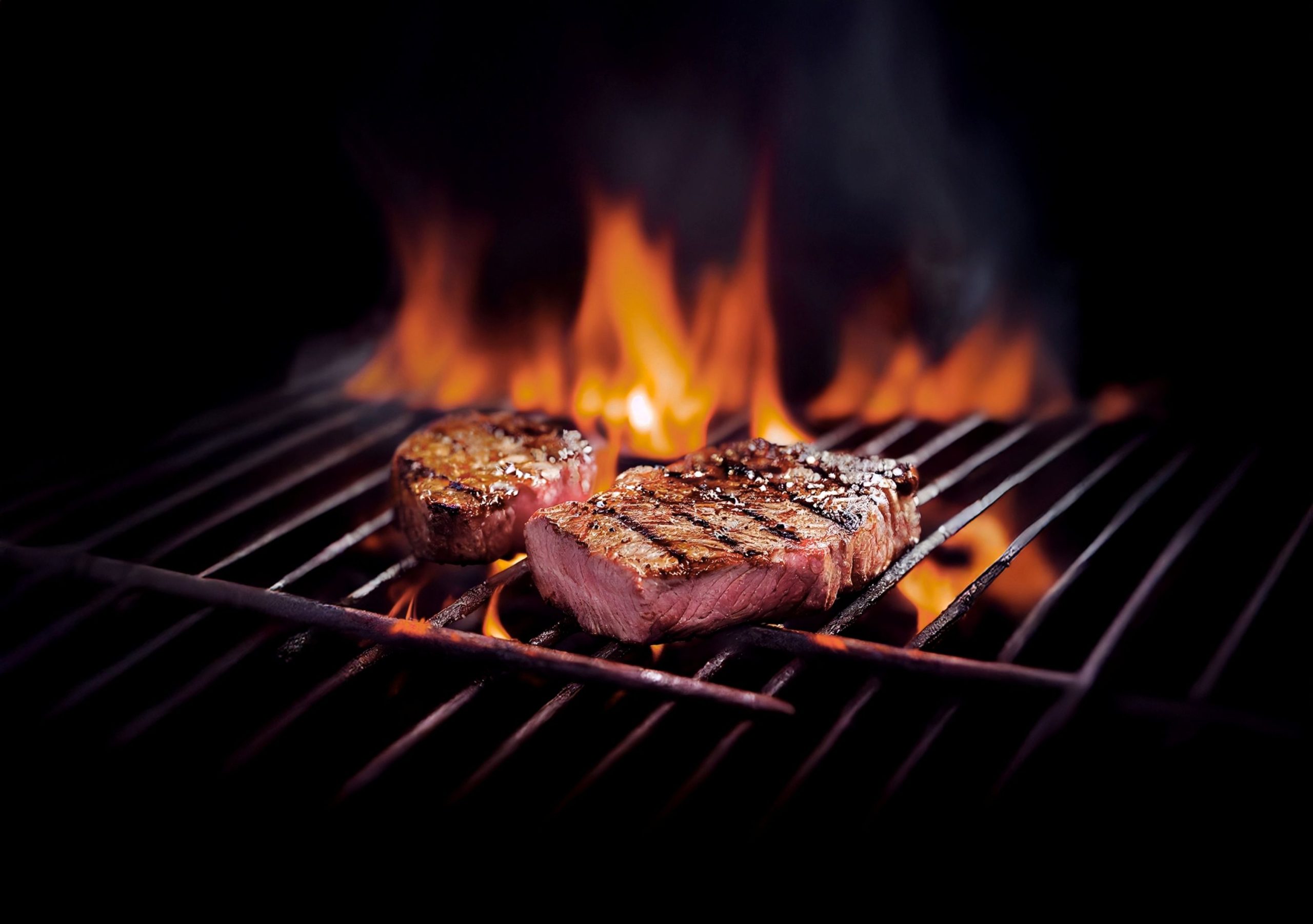
Conventional charcoal — whether pressed from coconut shell, hardwood, or sawdust — burns between 200 and 400°C, producing the bold, assertive smoke character that defines much of Southeast Asian street cooking. The volatiles left in lower-grade charcoal create a robust, slightly aggressive flavor that permeates food quickly. For recipes built around this quality, it is a feature, not a flaw.
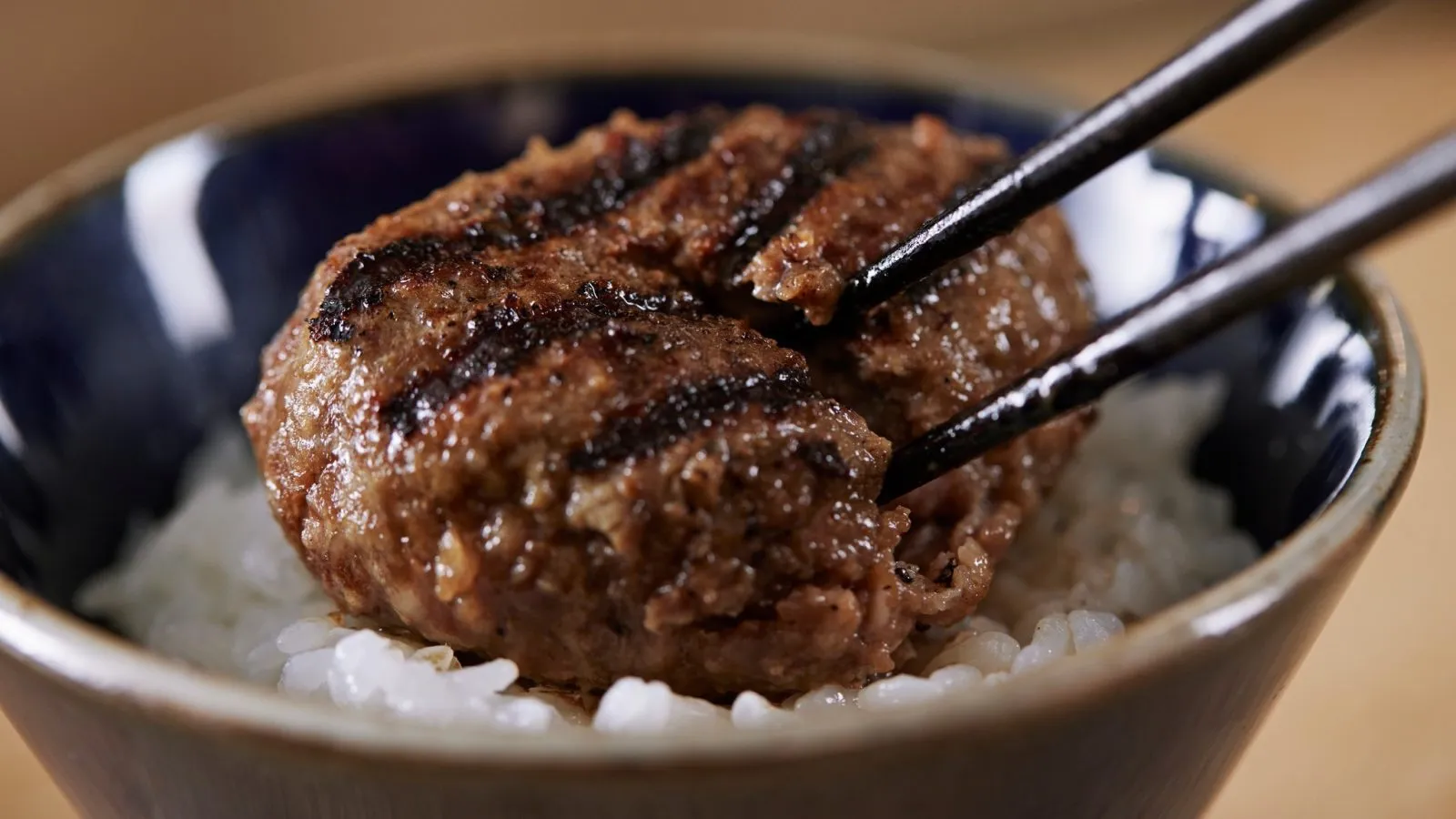
Sate Khas Senayan, one of Jakarta’s longest-running satay institutions, grills over open charcoal with grill masters fanning embers by hand — a method unchanged since the restaurant opened in 1974. The same logic applies across traditions: Cheongdam Garden in South Jakarta is noted for its use of wood charcoal at the table grill, which adds a smokier dimension to galbi and wagyu than gas-fired alternatives. And among the most telling examples is the traditional mie godog cart — still found across Yogyakarta and Solo — where the broth simmers for hours over a small charcoal fire. The difference between a gerobak that uses charcoal and one that has switched to gas is something regulars identify without being told.
Binchotan – Precision in White Charcoal
Binchotan — produced from ubame oak through a weeks-long carbonization process — burns at a steady 600 to 900°C with almost no smoke output. The result is far infrared radiation that penetrates food rather than cooking only its surface, producing even caramelization without the interference of volatile compounds. In yakitori restaurants across Japan, this fuel is standard: the clean, steady heat lets chicken fat baste the meat from within, and glazes like tare build in controlled layers without risk of scorching.
In Jakarta, Junsei on Jl. Senopati — a concept that originated in London — grills its yakitori skewers over imported binchotan or Japanese oak, and is one of the few restaurants in the city where the fuel itself is part of the stated proposition. Abroad, Asador Etxebarri in the Basque village of Atxondo, Spain — currently ranked second on the World’s 50 Best Restaurants list — uses multiple wood types and custom-built grills with adjustable grates to achieve comparable heat control, applied across every course including dessert.
Wood Fire – The Oldest Argument
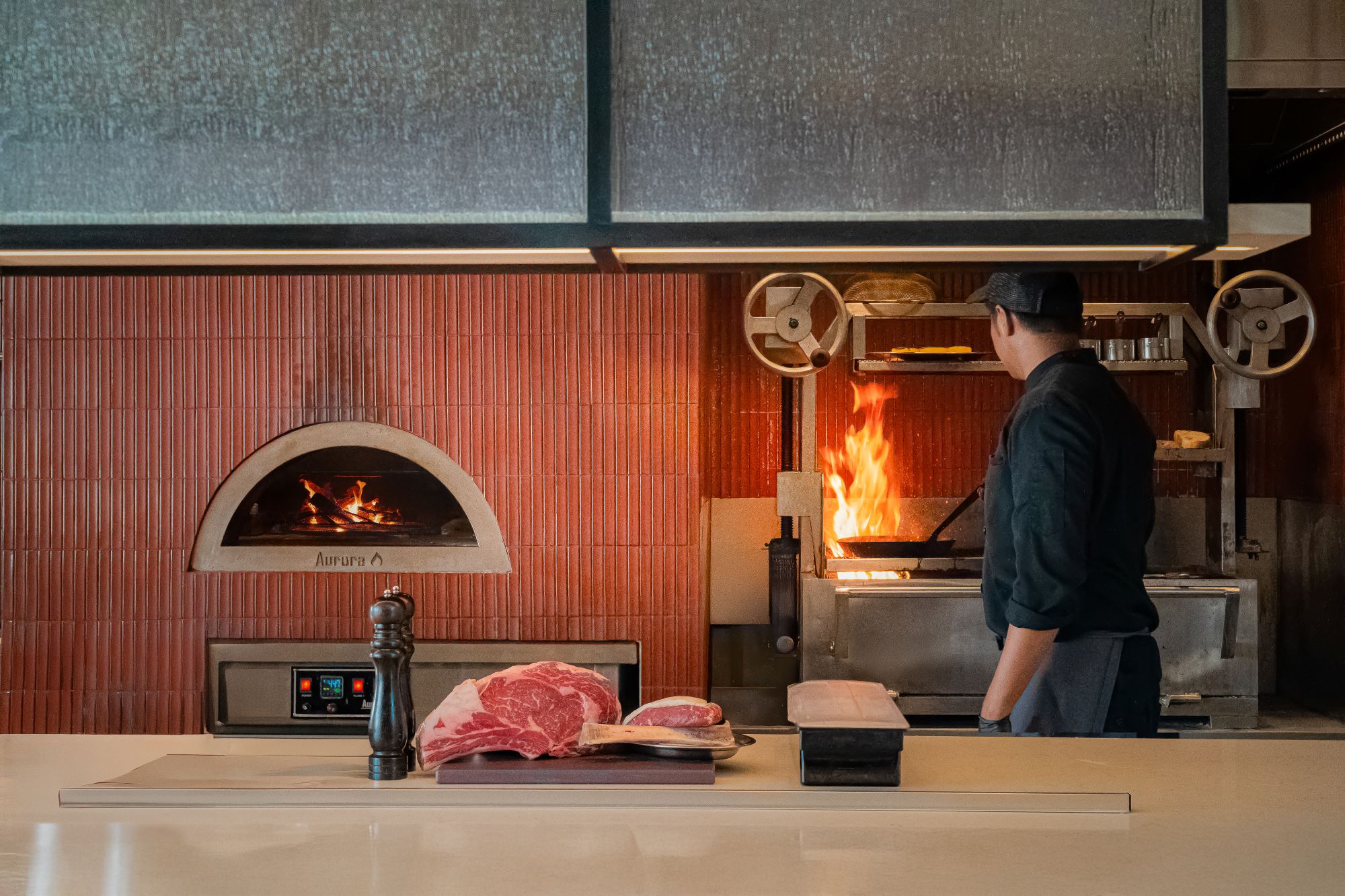
Wood fire is the hardest to master and the most expressive of the three. Once the initial flaming phase passes and the wood reduces to embers, it produces both radiant and convective heat while releasing flavor compounds — guaiacol, syringol, furan derivatives — that have no synthetic equivalent. The species matters too: fruit woods produce sweetness, hardwoods earthiness, and resins add astringency. Two cooks grilling the same cut over different woods will produce measurably different results.
In Central Java, ayam bakar stalls outside Yogyakarta still use kayu bakar rather than charcoal, producing birds with a deeper smoke penetration that regulars distinguish readily from gas-grilled versions. Wood fires require constant management, which is why the fuel has largely retreated from commercial kitchens in favor of charcoal — and why the restaurants that still commit to it tend to make it the center of everything.