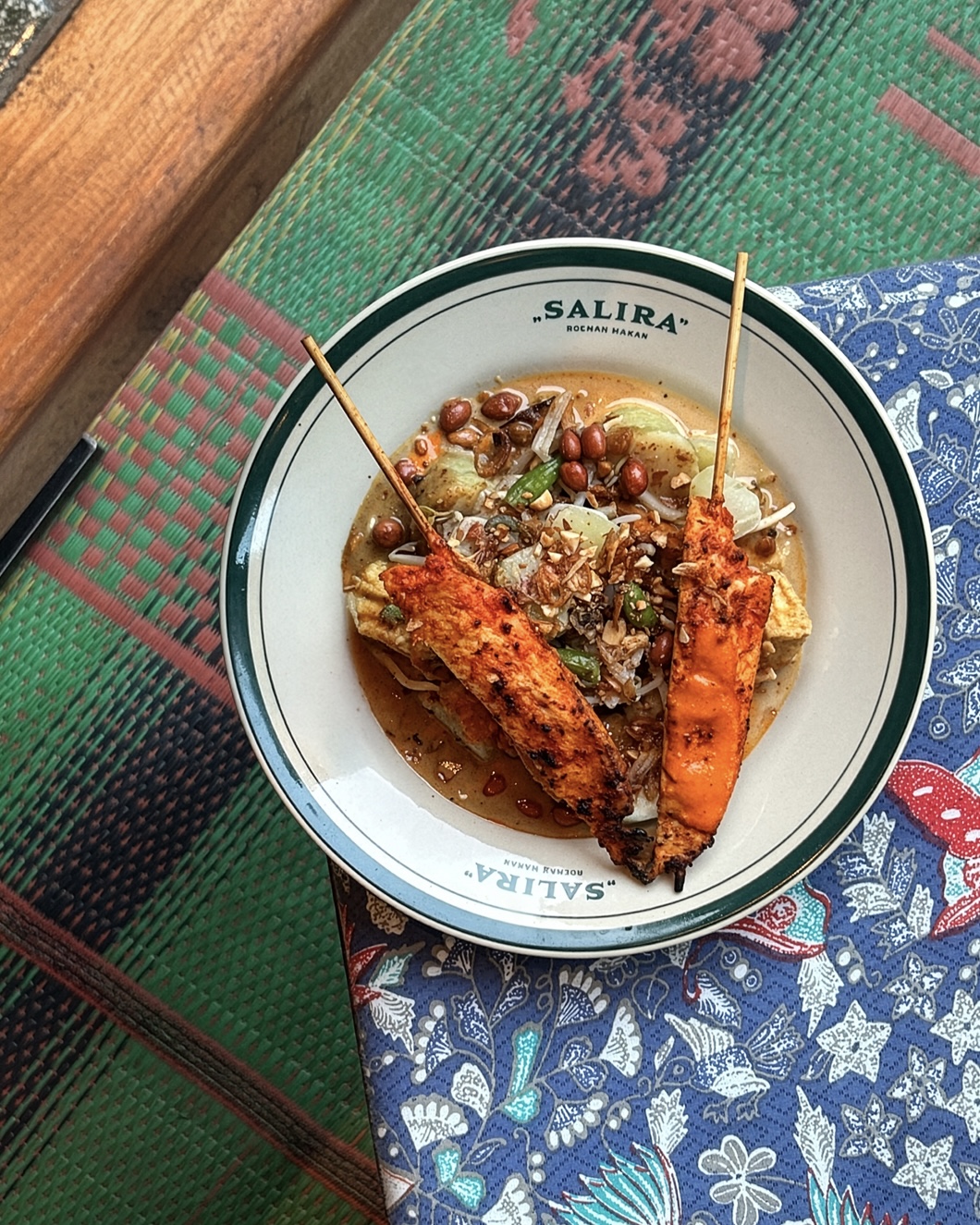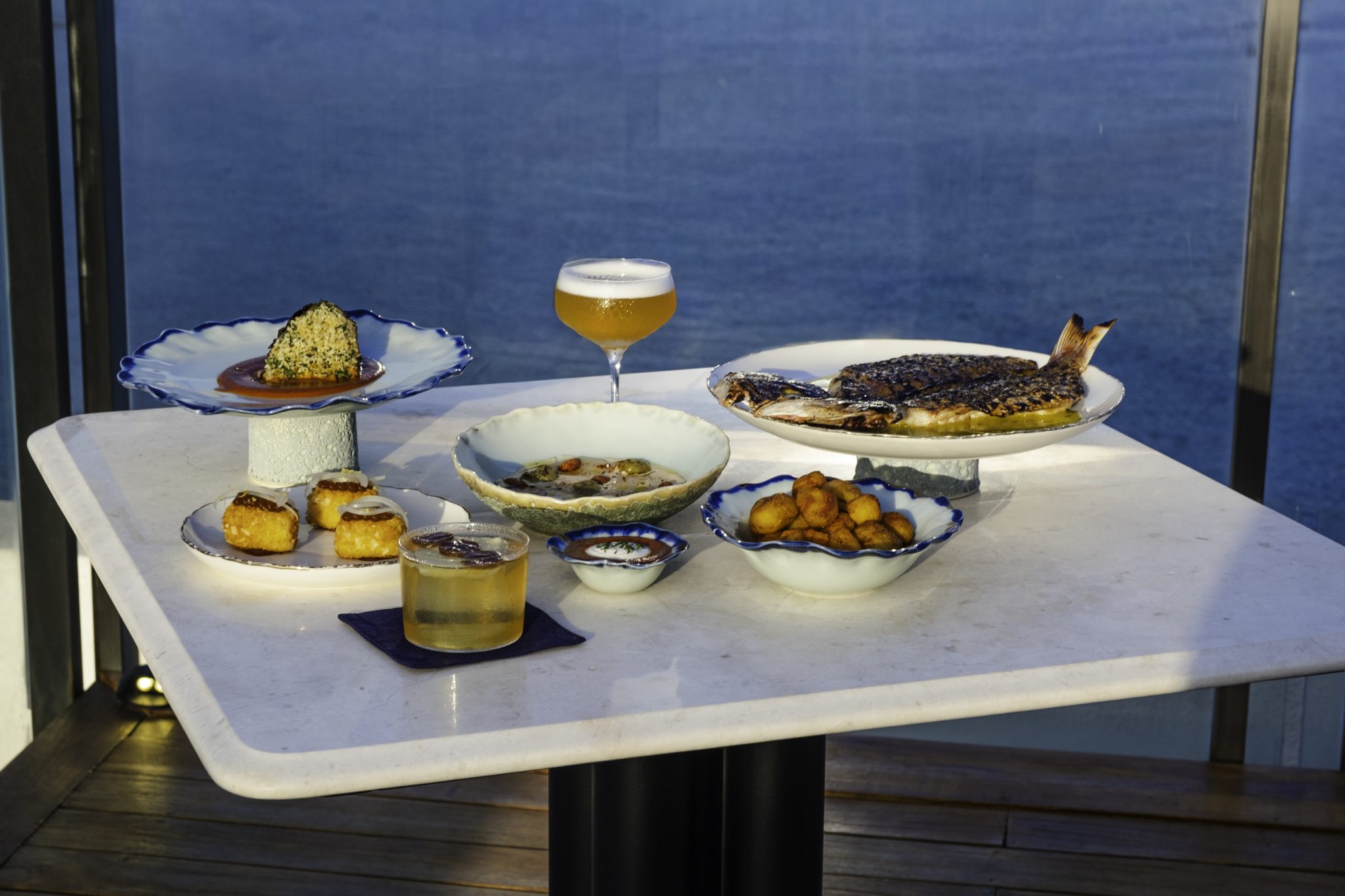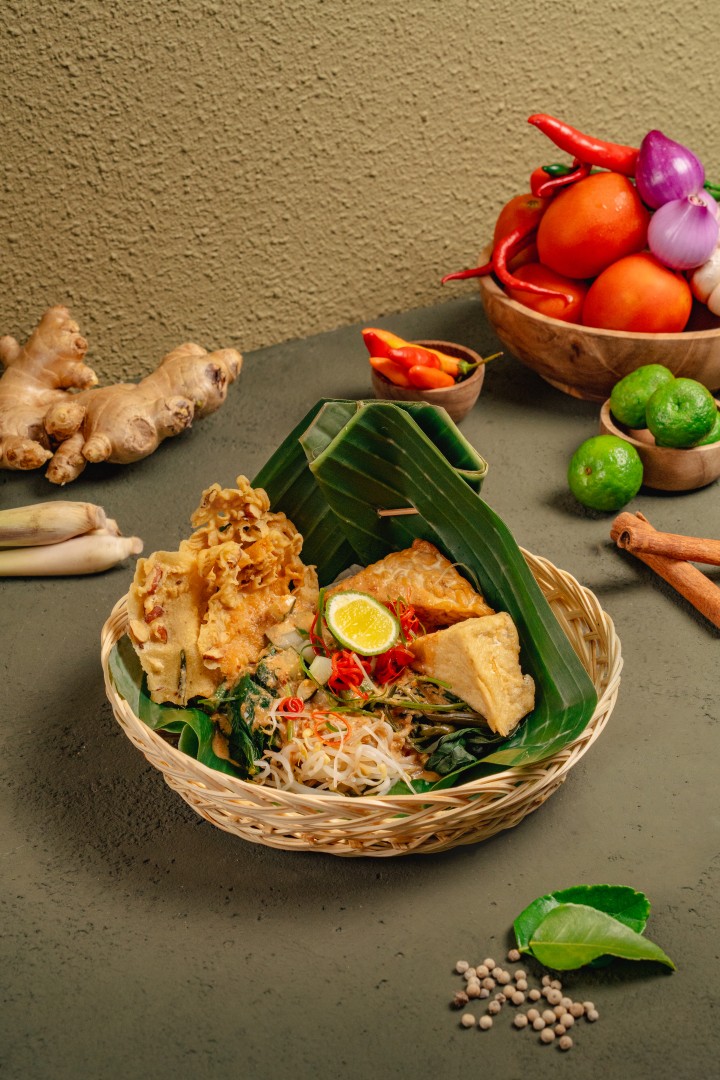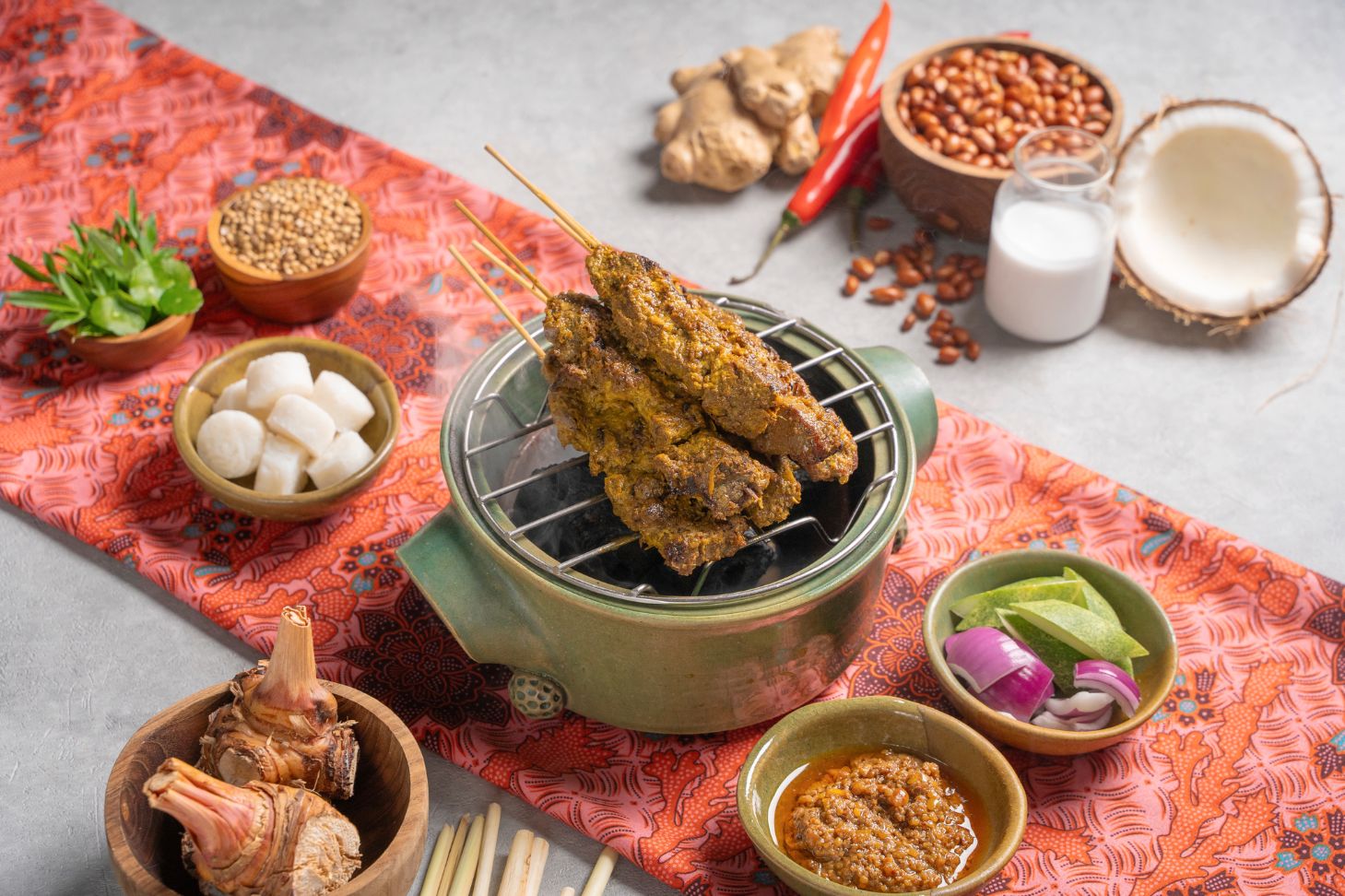
Where a meal is eaten, and the story behind it, matter more than ever, according to Marriott International. That is the argument of Future of Food 2027, a report that describes a shift the company calls “the rise of place.” As dining moves out of the traditional restaurant and into bars, lounges, counters and flexible spaces, Marriott says guests increasingly seek food that is hyper-local, authentic and connected to the destination.
The report names Indonesia as one of the clearest examples. Two-thirds of Indonesian restaurants surveyed reported rising demand for local signature cuisine, against 46% across Asia Pacific.
The report, titled The Rise of Place and announced in Jakarta on October 6, 2026, combines interviews with chefs, hospitality experts and regional influencers with a survey of Marriott food and beverage teams at 284 properties across 20 Asia Pacific markets, completed in July 2026. The figures reflect what those teams reported about their own properties, not a survey of diners.
The Asia Pacific picture
Across the region, 95% of surveyed properties named demand for authentic local signature dishes the biggest trend in their market. Some 45% reported increased preference for casual spaces such as lounges, and new concepts are settling into rooms of 40 to 60 seats.
Fine dining is getting shorter too. Marriott describes a “99-minute” format of up to five courses in under two hours, and 58% of properties said their average fine-dining meal lasts 1.5 to 2 hours.
“Across Asia Pacific, we’re witnessing a shift toward intimate, locally-rooted experiences, where smaller, intentional spaces replace traditional formal dining models,” said Petr Raba, Marriott’s Vice President of Food & Beverage for Asia Pacific excluding China. “Hotels are becoming cultural storytellers, embedding regional talent, locally sourced ingredients and authentic connection into every aspect of the dining experience to create spaces that feel distinctly of their place.”
How Indonesia eats
In the Indonesia profile, 85% of properties said local authenticity is the most influential menu attribute for guests, against 69% across the region. The report links this to the country’s biodiversity and culinary heritage, and notes a growing appetite for vegetarian and vegan dining.
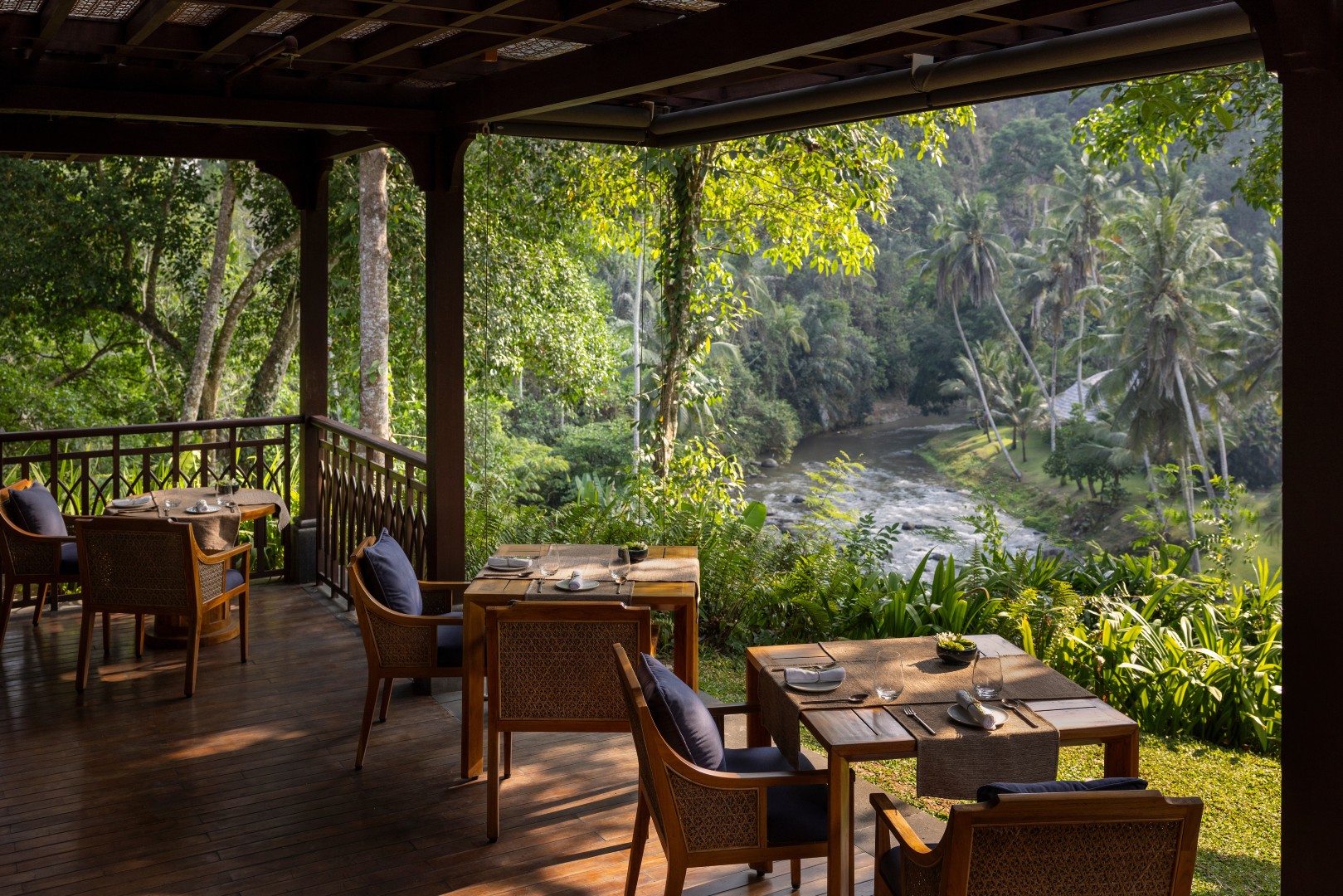
On seating, 48% of Indonesian properties reported increased preference for sociable, communal tables, against 31% regionally. For outdoor dining the figures were 55% and 43%. Increased preference for private dining rooms was reported by 21% of Indonesian properties, against 43% regionally.
On covers, 52% of Indonesian properties reported more dinner covers and 33% reported fewer. Bar and lounge covers were split almost evenly, at 33% more, 34% unchanged and 33% fewer.
Kitchens and menus
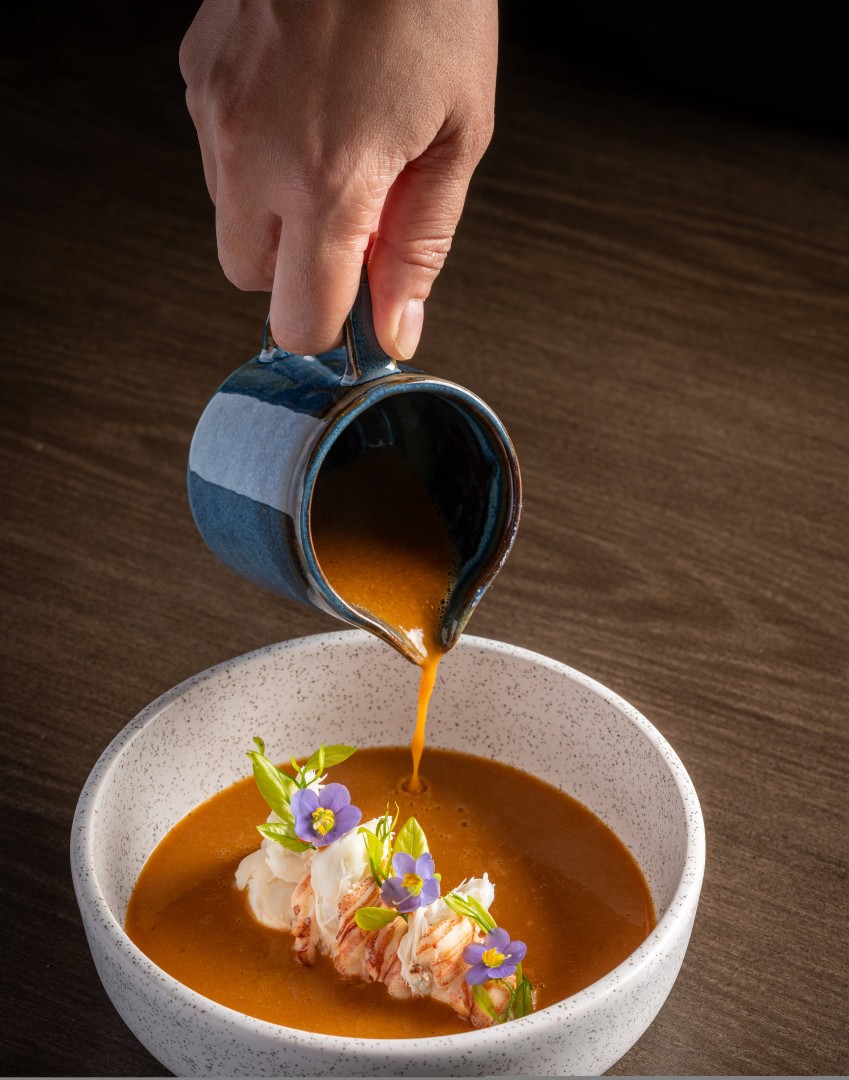
The report cites two Indonesian kitchens as examples. At Locavore NXT in Bali, menu are becoming more playful and plant-forward, with vegetables, nuts and fruit anchoring a premium meal. The drinks program is based on zero waste.
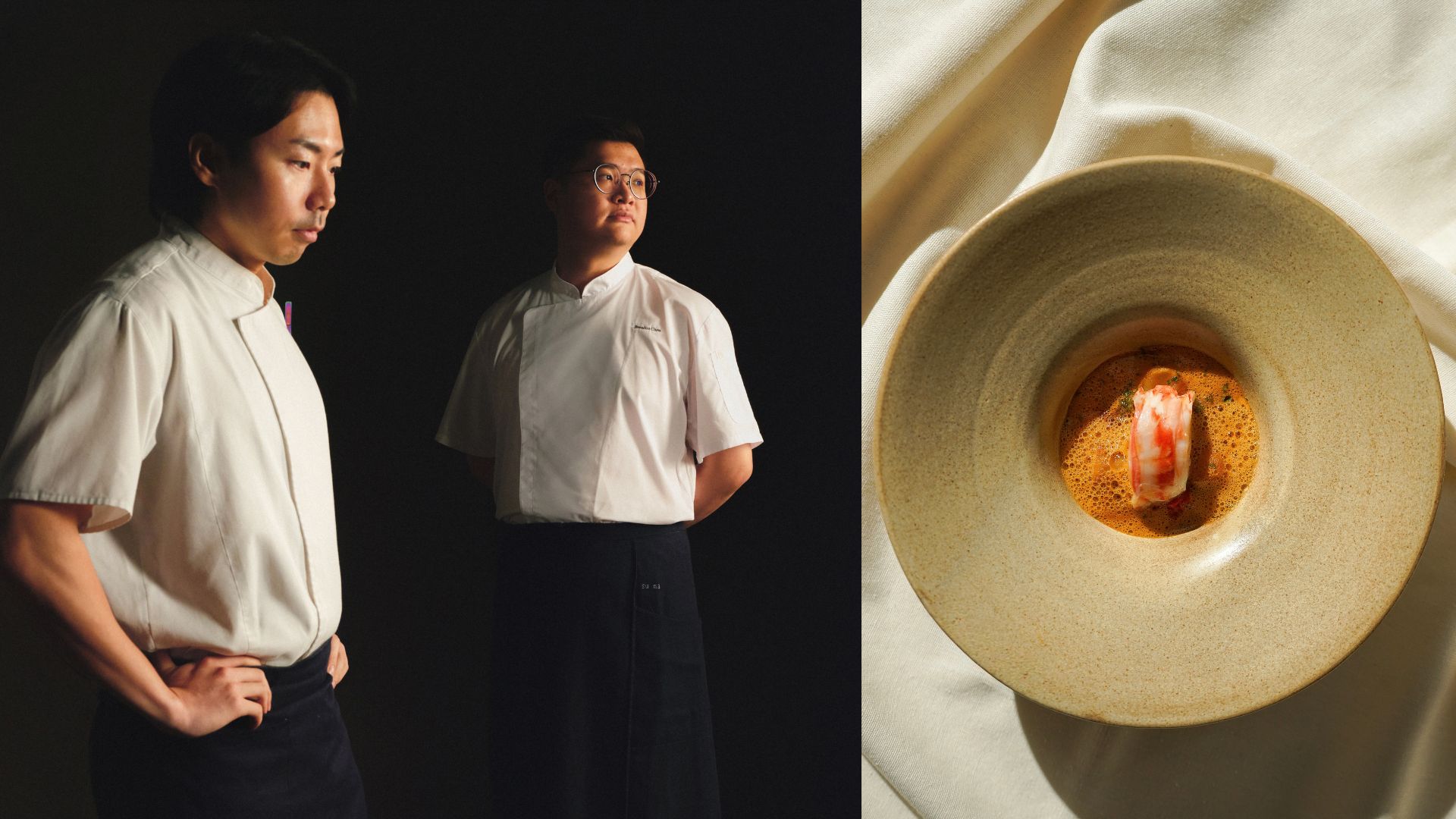
At August in Jakarta, which the report calls one of Southeast Asia’s most well-regarded dining destinations, founders Hans Christian and Budi Cahyadi say storytelling needs restraint. “If every dish comes with a long story, it can start to feel forced,” they say. “The purpose of storytelling should always be to enrich the dining experience – not distract from it.”
Local craft gin recorded the highest surge in demand among Asian alcohol in Indonesia, the report says, and 33% of Indonesian properties added healthier options to the mini bar, against 17% regionally. Indonesia was also one of five pilot markets for Marriott’s APEC Plant-Forward Program, which produced a 10-dish vegan menu framework. Marriott says it will be built into dining standards across the region from the first quarter of 2027.
The report describes Indonesia’s 2027 as heading towards a “more personal culinary proposition,” in which guests are quietly understood and ingredients are defined by culture.