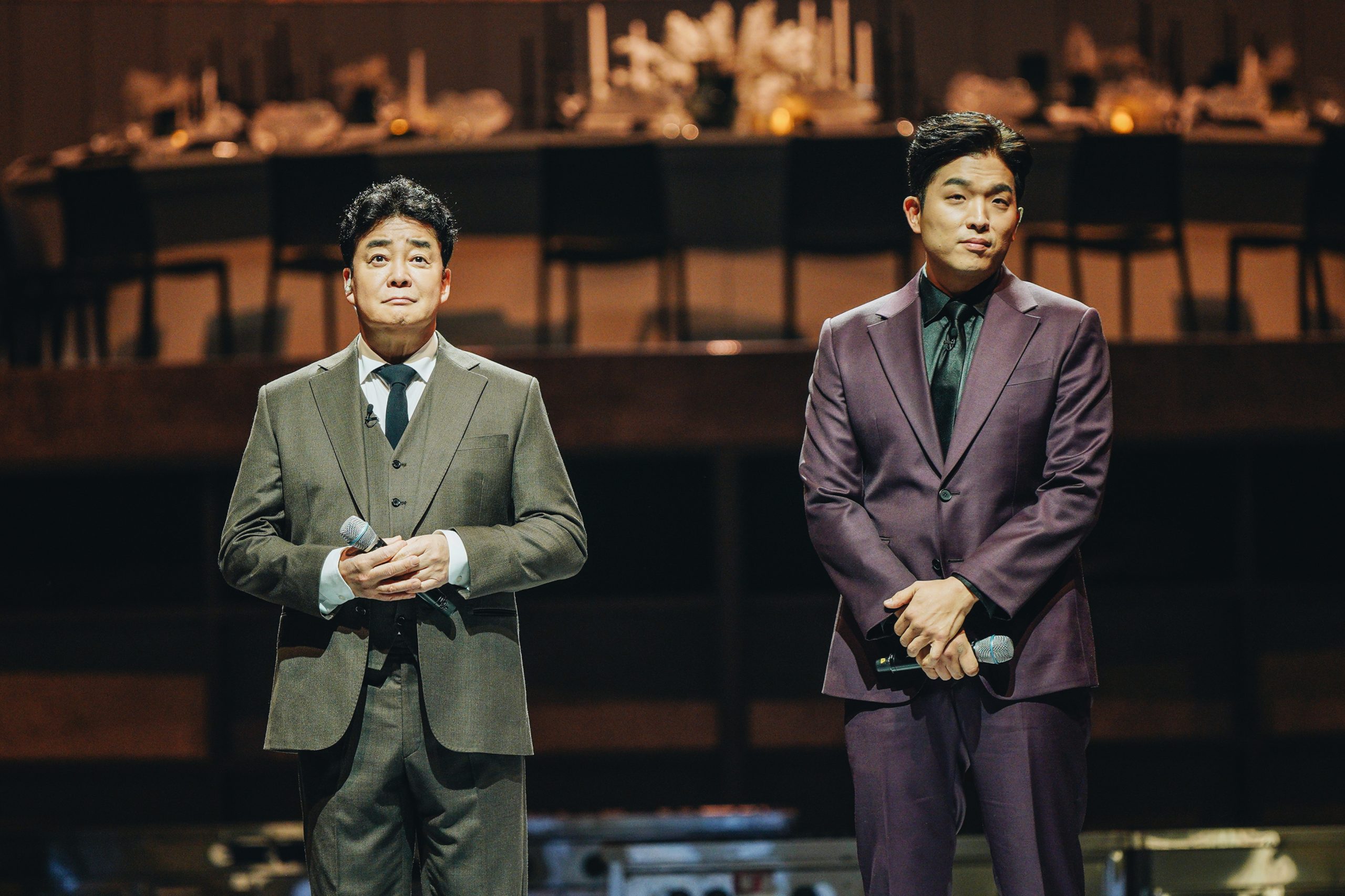
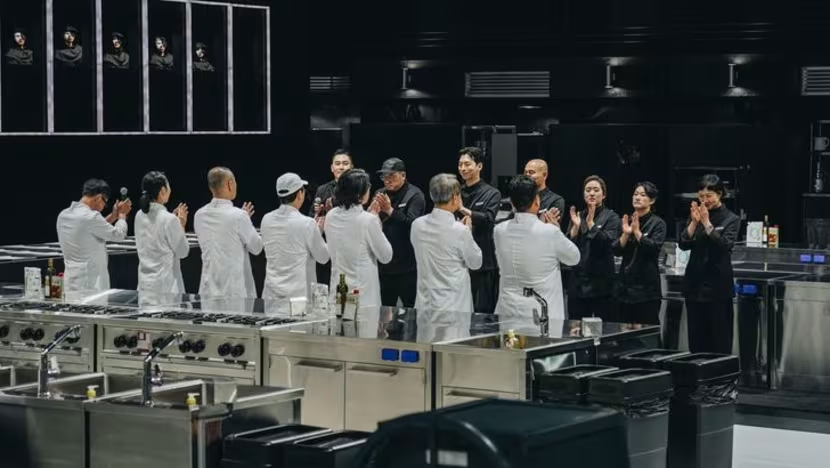
If you’ve started Culinary Class Wars Season 2, chances are you didn’t plan to watch just one episode. The newest season, airing on Netflix since December, has that pull—fast-paced challenges, sharp judging, and dishes that make you pause just long enough to wonder how much technique went into them.
Watching it feels oddly immersive. Beyond the competition, the show opens up a deeper look into Korean cuisine, from comforting broths and fermented bases to refined plating shaped by years of discipline. It’s addictive in a quiet way, and surprisingly educational. You don’t just watch chefs cook—you start picking up on how differently they think, how they approach pressure, and how personal their food choices really are.
What's On Culinary Class Wrs Season 2
The structure remains familiar: White Spoon vs Black Spoon, experience against anonymity. But the episodes aired so far lean heavier on concept-driven cooking. Challenges aren’t only about taste; they push chefs to explain ideas, adapt quickly, and defend their culinary logic.
You’ll notice recurring themes across episodes:
Korean comfort dishes reworked through fine-dining techniques
Heavy use of fermentation, grilling, and broth-based cooking
Time pressure that forces chefs to simplify—or double down on complexity
Judging remains firm and technical, with feedback that focuses on fundamentals rather than theatrics. As a viewer, it keeps you alert—you’re not just watching food come together, you’re following decisions in real time.
Black Spoon: Anonymous, But Very Specific
The Black Spoon chefs are introduced without real names, known only by nicknames that hint at personality or cooking style. So far, episodes highlight them through themes and dishes, rather than backstories.
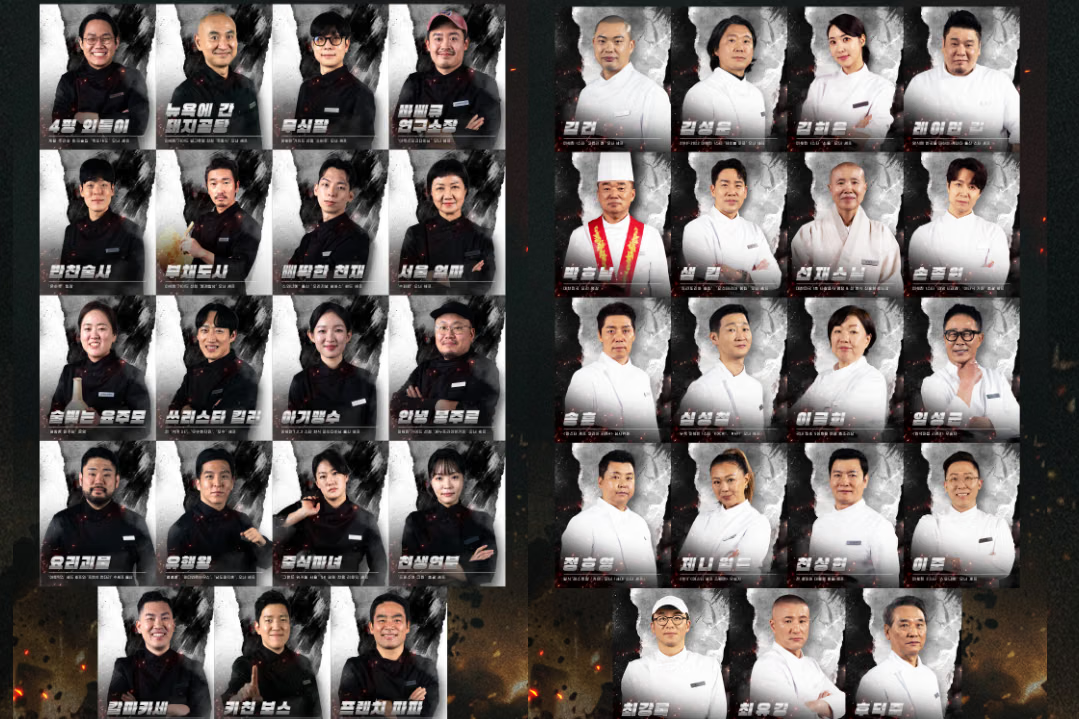
Some Black Spoon identities to watch:
Barbecue Lab Director – leaning heavily into fire-driven techniques and protein-focused plates
Brewmaster Yun – bringing fermentation logic and balance into unexpected dishes
Dweji-Gomtang in NY – showcasing deeply comforting, broth-based Korean cooking
French Papa – blending European technique with Korean ingredients
Seoul Mother – home-style flavors executed with quiet confidence
Across aired episodes, Black Spoon cooking tends to feel instinctive and grounded—often rooted in memory, repetition, and bold seasoning. The anonymity keeps attention on execution: how clean the broth is, how controlled the grill work looks, how confident the plating feels under pressure.
White Spoon: Familiar Names, Clear Philosophies
The White Spoon chefs come with established reputations, and the show doesn’t shy away from that. Their cooking so far reflects experience—measured movements, structured plating, and strong clarity of intent.
White Spoon contestants this season include:
Cheon Sang Hyun
Choi Yu Gang
Kim Geon
Kim Hee Eun
Kim Sung Woon
Hou Deok Juk
Im Seong Keun
Jennie Walldén
Jung Ho Young
Lee Geum Hee
Lee Jun
Park Hyo Nam
Raymon Kim
Sam Kim
Shim Sung Chul
Song Hoon
Son Jong Won
Venerable Sunjae
Choi Kang Rok
Kim Do Yun
So far, episodes highlight how differently these chefs approach similar briefs. Some lean classical, others modernise Korean flavors with global techniques. You’ll see precise knife work, disciplined sauce building, and thoughtful use of texture—especially when chefs are asked to reinterpret familiar Korean dishes under time pressure.
For viewers, part of the fun is recognising how each chef’s philosophy shows up consistently, even when the brief changes.
Things You Can’t Miss in the Episodes So Far
If you’re watching week by week, here are a few things worth paying attention to:
How chefs simplify dishes when time runs short—and what they choose to sacrifice
The contrast between instinct-driven Black Spoon cooking and structured White Spoon execution
How Korean staples like broth, rice, and fermented sauces become the backbone of many standout plates
The way judges reward clarity over complexity
As the season continues to unfold, it’s hard not to stay hooked. Each episode leaves you curious about what comes next—who adapts, who cracks under pressure, and whose food continues to resonate. After the mixed feelings many viewers (myself included) had about how Season 1 ended, there’s a quiet anticipation this time around: not just about who will win, but whether the final result will feel as convincing as the dishes we’ve been watching week after week. For now, Season 2 is shaping up to be a compelling ride—and one worth following all the way to the last plate.