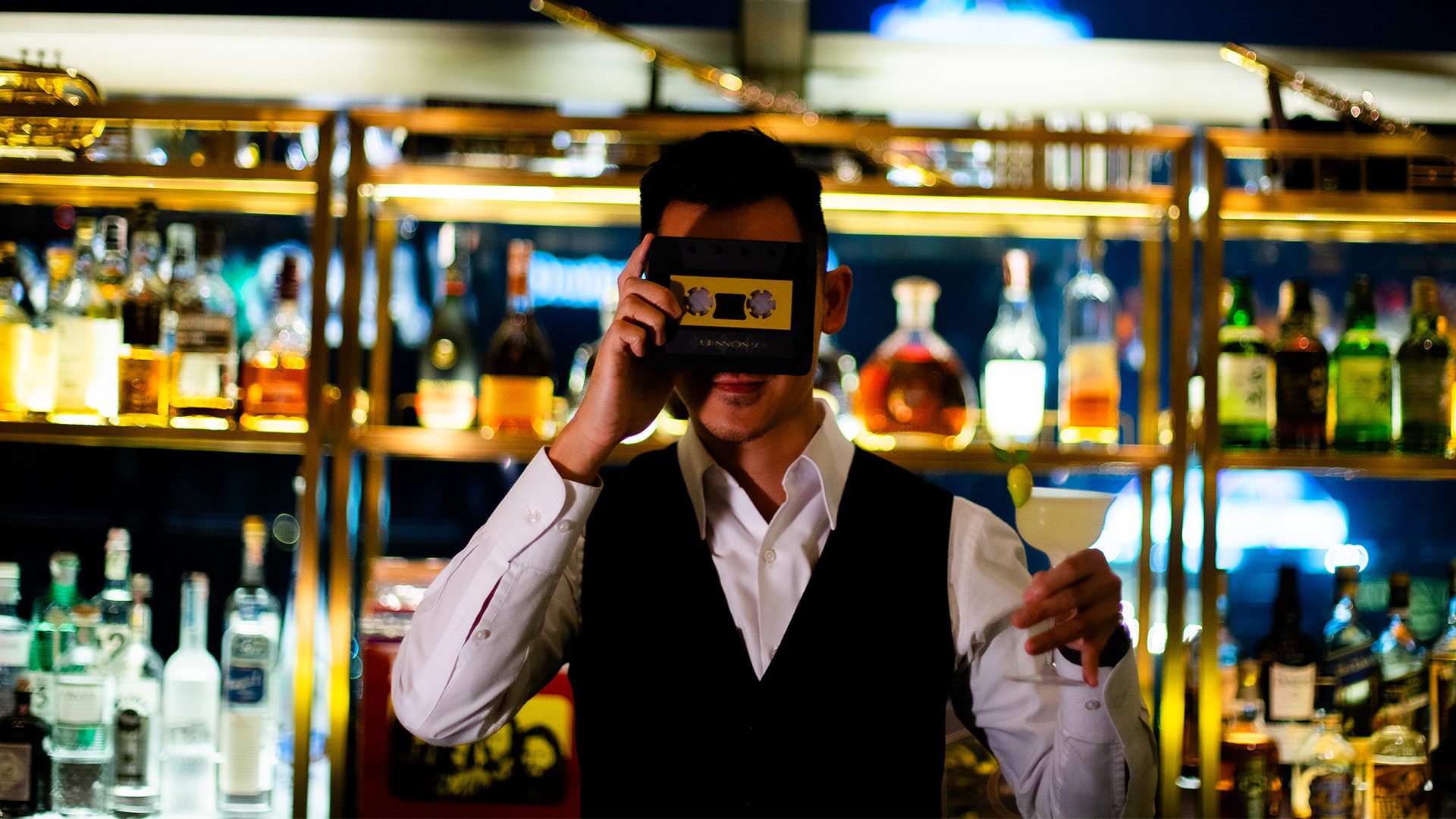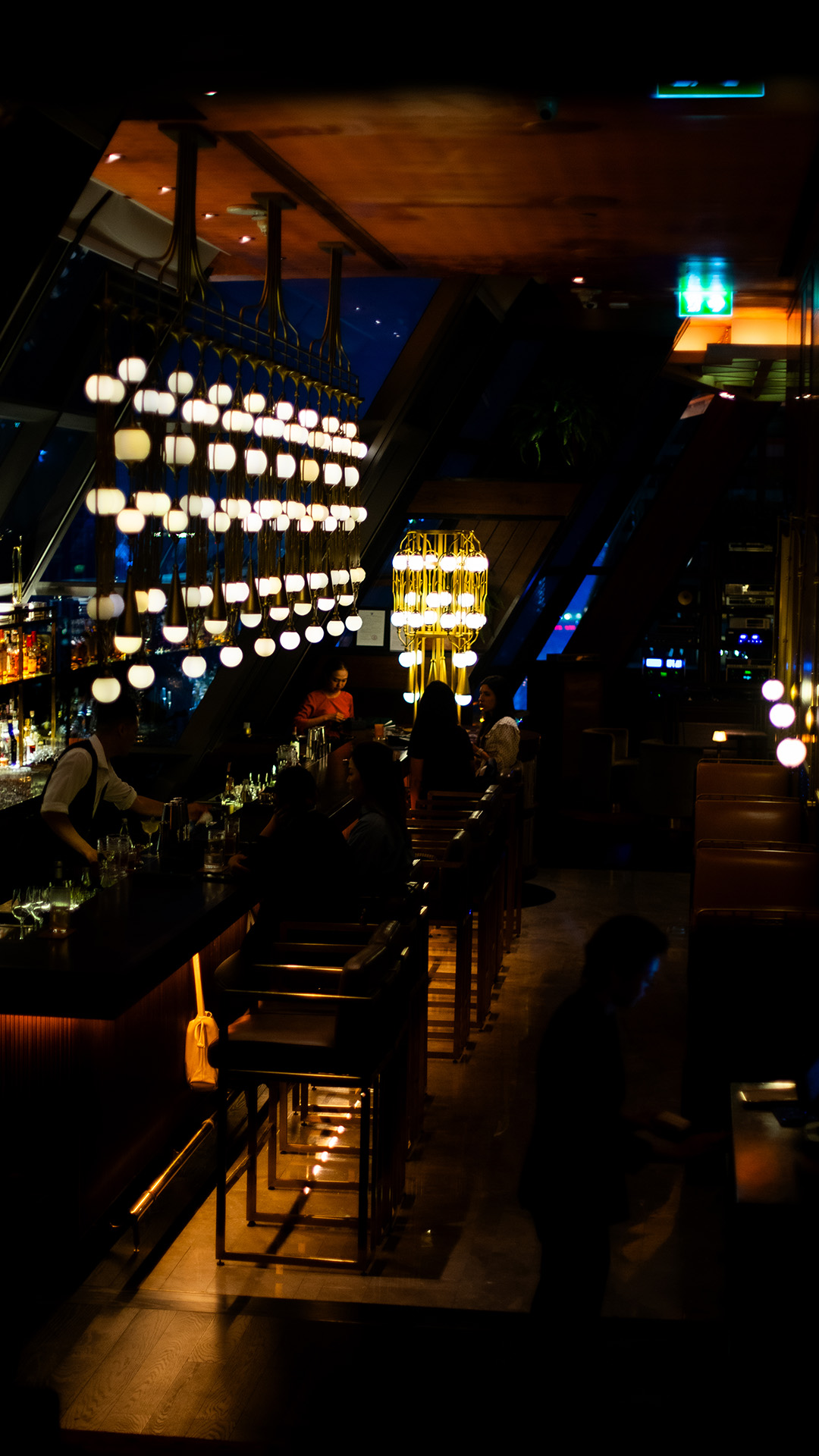
There’s a difference between walking into a bar with a concept and stepping into one with conviction. At Lennon’s Bangkok, that distinction is felt almost immediately — not announced, not explained, but sensed. The music hums rather than performs. The drinks arrive with clarity. Leather, wood, and vinyl soften the edges of the room. Everything settles into place.
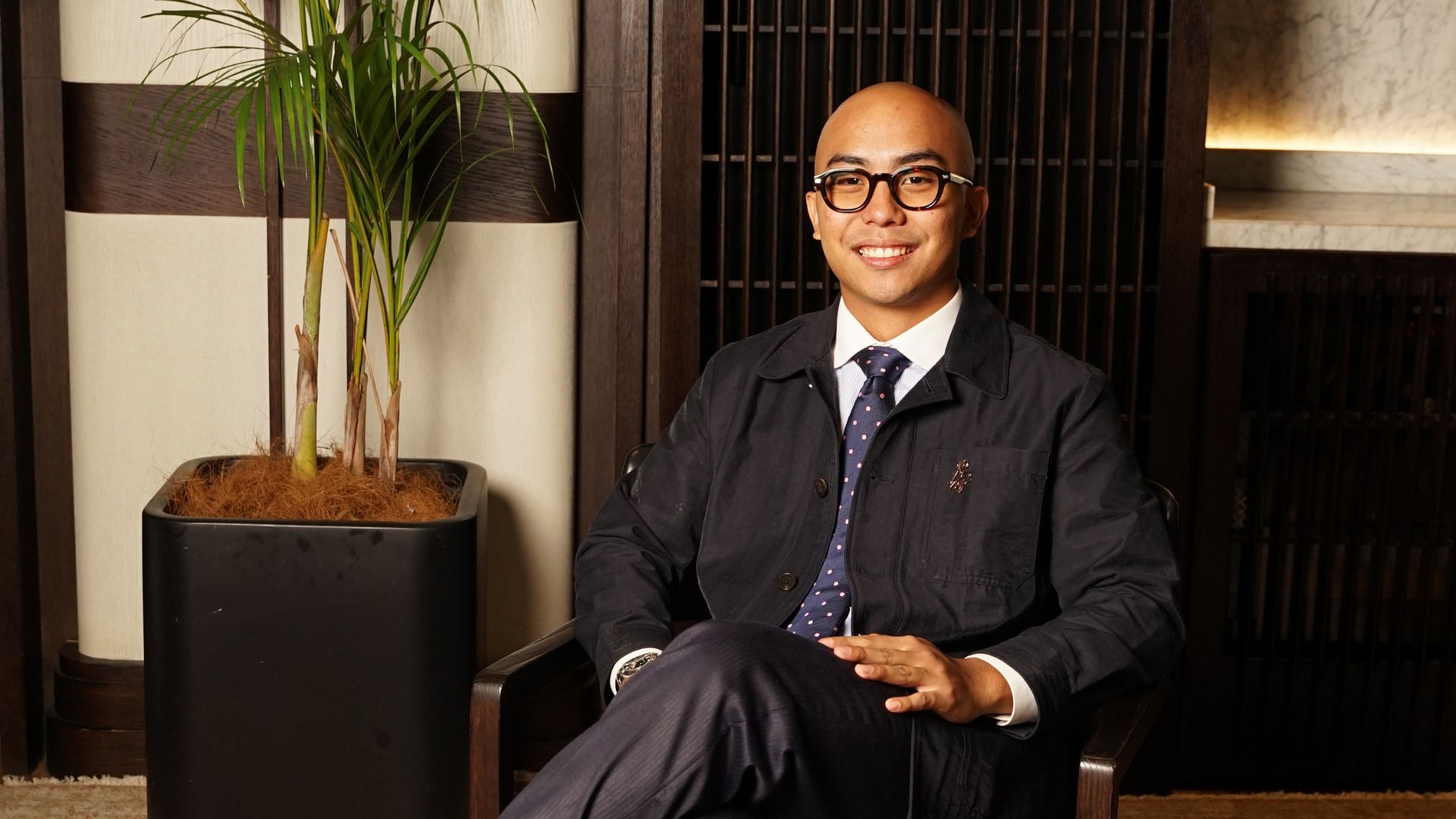
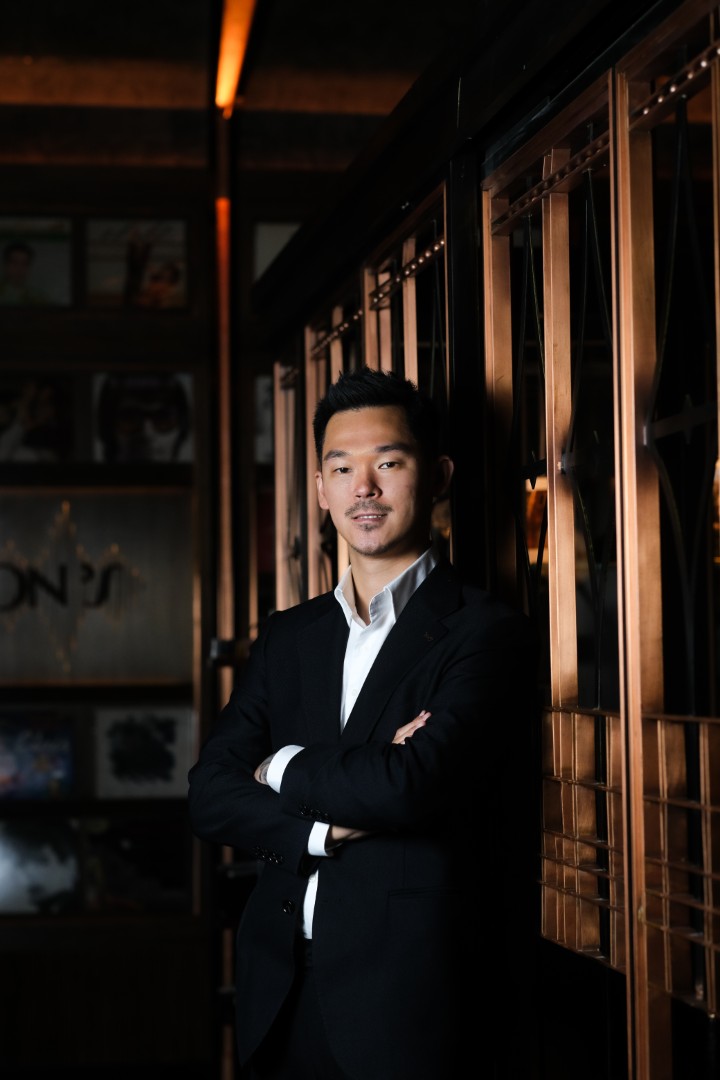
For KT Lam who now serves as the Director of Bars at Rosewood Bangkok, that was the draw.
After visiting Lennon’s for the first time, he didn’t see just another hotel bar. He saw a space dense with detail — a room that already knew what it wanted to be but still had room to stretch.
“In Thailand, the market is very competitive,” KT says. “Lennon’s had a lot of potential to shine. It felt like a good challenge.”
It wasn’t about imposing a new personality. It was about recognising what already fit — and tuning it.
Getting the First Notes Right
When KT began shaping Lennon’s direction, the priority wasn’t chasing novelty. It was an alignment.
Cocktails, he’s quick to acknowledge, matter. But they’re not the only reason guests return — and often, not the most important one. “Sometimes guests don’t come back just for the drinks, it’s about the people – how you make them feel.”
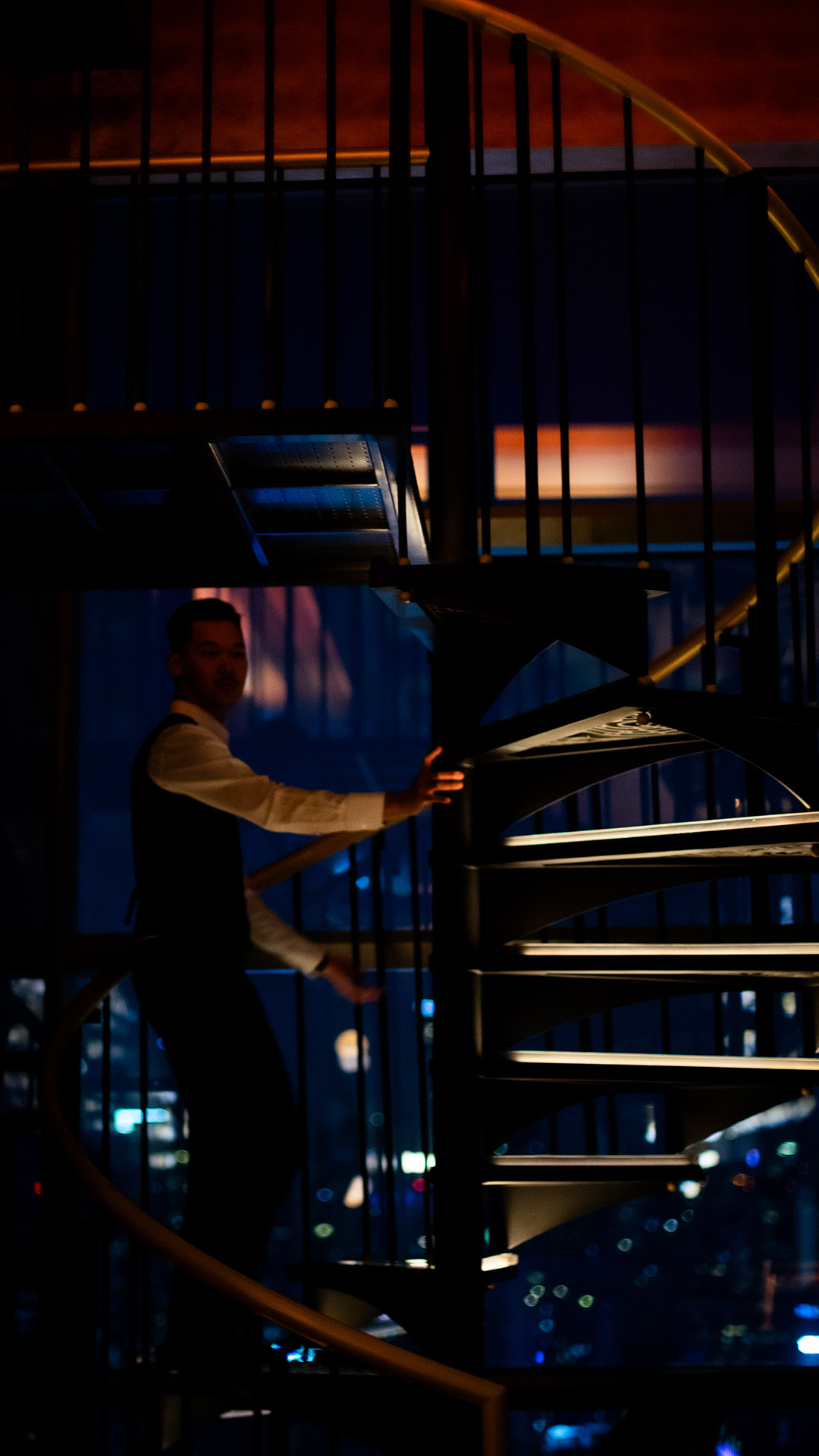
At Lennon’s, that meant focusing first on atmosphere and approach. How guests move through the space. How the team reads the room. How hospitality feels unforced — attentive without hovering, familiar without becoming casual.
The bar’s mood had to invite lingering. Conversations that stretch past their first round. Playlists that evolve as the night deepens. Drinks that arrive when they should — not when they’re ready to impress. Even silence, when it appears, feels intentional.
That human rhythm became the foundation on which everything else was built.
Music as Structure, Not Decoration
Music has always been central to Lennon’s identity, but KT is careful to clarify how it functions. “We don’t use music as a theme; we use it as a system.”
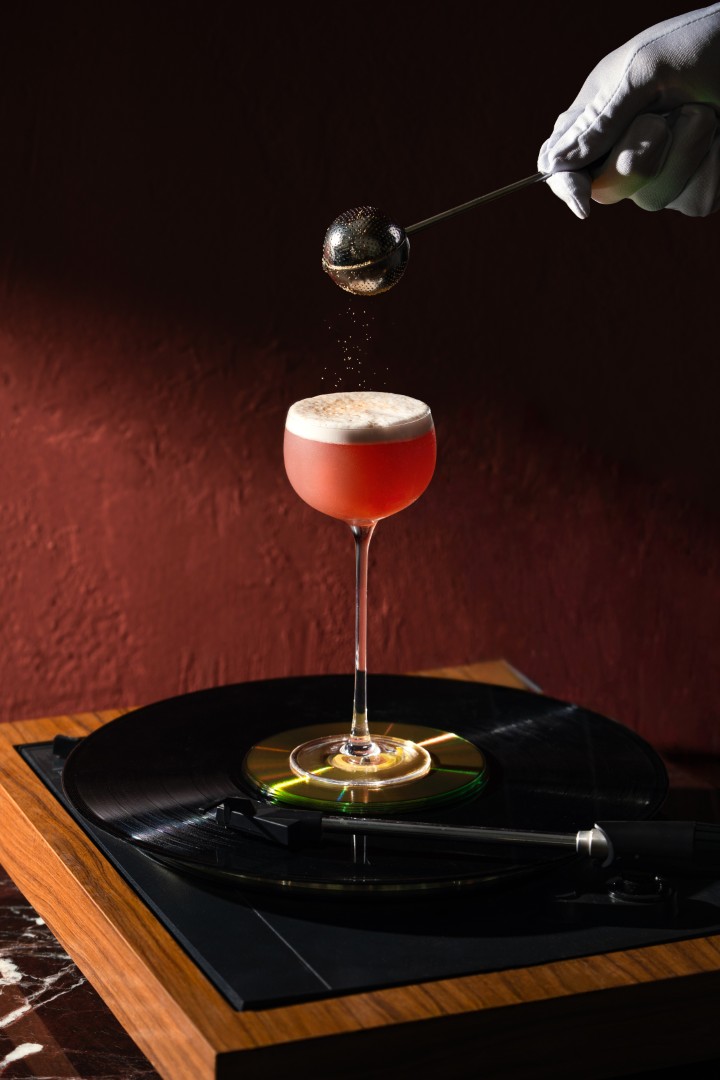
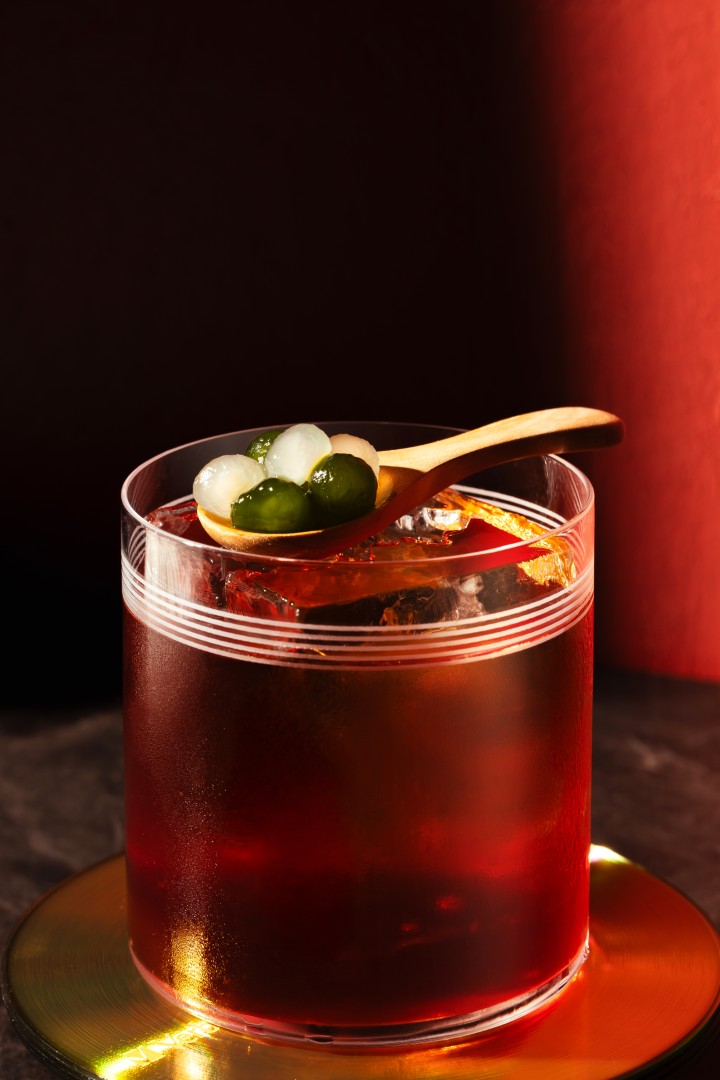
Rather than leaning into nostalgia or obvious references, the menu is structured musically — following a scale from Do, Re, Mi, and back to Do. The progression moves from heavier, spirit-forward expressions toward lighter, more refreshing compositions, mirroring the way a set builds, releases, and resets its energy over the course of a night.
That structure also shapes how the drinks interact with food. As the menu opens up, cocktails become brighter and more agile, designed to sit comfortably alongside Thai cuisine rather than compete with it.
It’s a quiet framework, but a precise one. Guests may never consciously register it — but they feel it in the pacing, in how the night unfolds without friction.
Letting the Menu Speak as One
Asked if there’s a single drink that captures how he sees Lennon’s right now, KT resists the idea. “It’s not about one drink,” he says. It’s about the identity of the menu as a whole.”
After joining the bar, one thing became immediately clear: Lennon’s naturally gravitates toward classics. American whiskey. Golden Era cocktails. Drinks with structure, history, and confidence.
“These just make sense in this space,” KT explains.
Rather than reinterpreting classics beyond recognition, the menu leans into their strengths — clarity, balance, familiarity — allowing the room, the music, and the people to do the rest of the talking.
It’s a direction that feels assured rather than reactive. A bar comfortable in its skin doesn’t need to shout.
Bangkok, Without the Postcard
KT’s career has taken him across multiple cities in Asia, each shaping how he thinks about bars as reflections of place. Bangkok, he notes, occupies a particular position — demanding, visible, and deeply competitive.
Shaped by movement, KT’s early years in Hong Kong — from cutting his teeth at KEE Club to refining discipline at Zuma and later DarkSide at Rosewood Hong Kong — instilled a respect for precision, structure, and restraint. Phnom Penh, where he led Sora at Rosewood, sharpened his adaptability and resourcefulness, asking him to build culture as much as cocktails. Now in Bangkok, with its scale, scrutiny, and intensity, brought those instincts into conversation.
The throughline isn’t style, but sensitivity — knowing when to lead, when to listen, and how to let a bar grow into its environment rather than sit on top of it.
“It’s one of the most international cities in the bar industry.”
That global energy brings pressure — and possibility. Standards are high. Ideas move fast. Creativity is visible everywhere, from neighbourhood bars to hotel counters.
For KT, the city’s pace is motivating. Lennon’s doesn’t need to announce itself as a Bangkok bar through overt references or local shorthand. Instead, the influence shows up in confidence — in openness, adaptability, and a willingness to meet the room where it is. The bar speaks about the city by behaving like it.
What Lingers After the Last Track
Ultimately, KT’s measure of success isn’t found in a perfectly executed drink or a clever structure. “When guests leave, I hope what stays with them is the friendship, that they feel comfortable — and then they become our regular guests.”
It’s a modest goal, but a revealing one. Lennon’s isn’t trying to be decoded in a single visit. It’s built to be returned to — slowly understood, track by track, night by night.
In a city overflowing with ambition and spectacle, Lennon’s chooses a quieter confidence. Music as architecture. Classics as language. Hospitality as memory.
And in KT Lam’s hands, the bar doesn’t ask to be noticed. It simply stays with you.