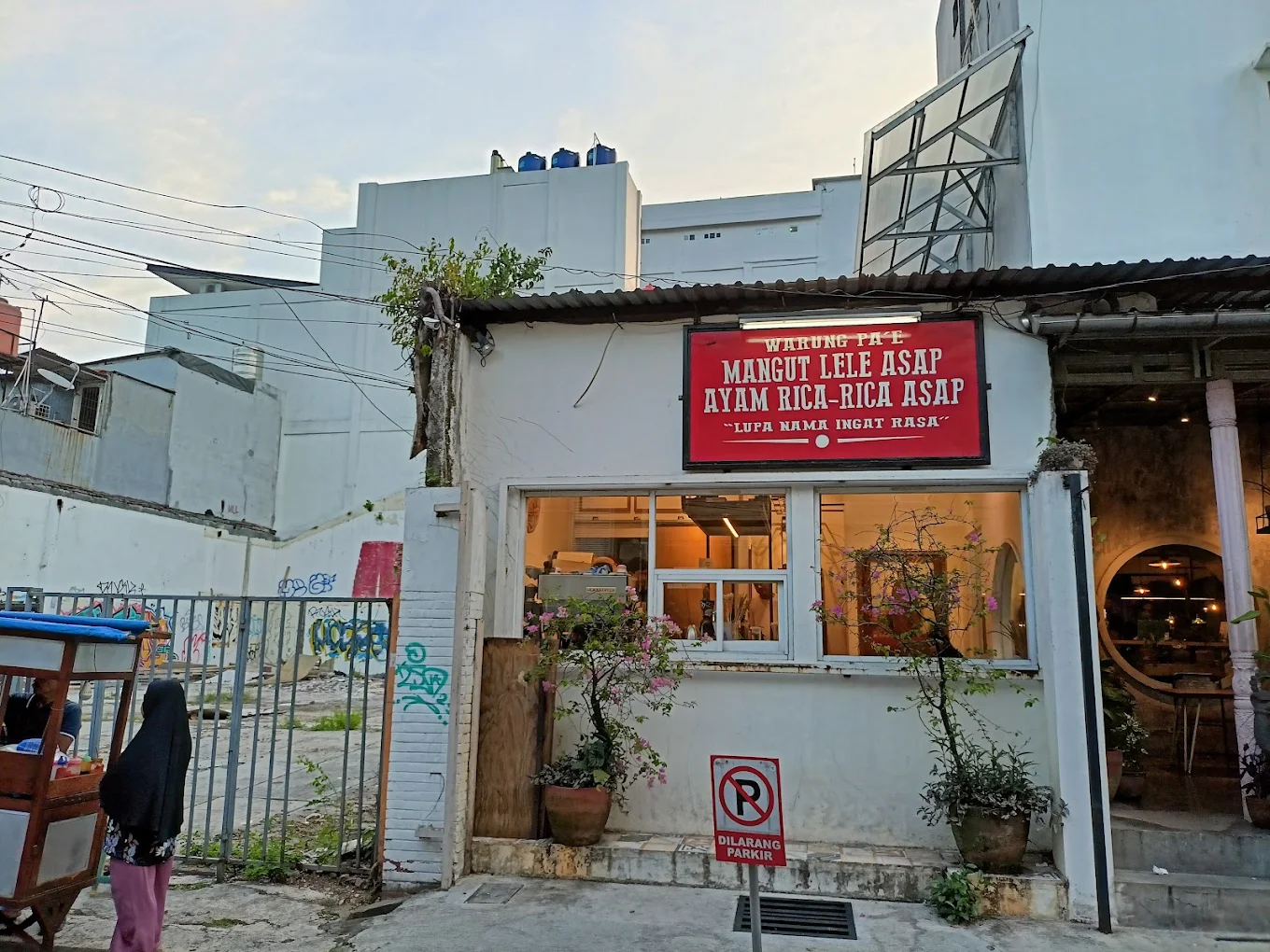
Lately, more and more modern Indonesian dining spaces are using the word “warung” in their names. But instead of being the epitome of a traditional warung, these spaces are curated with minimalist interiors, reworked menus, and higher price points. So how does it resonate with the humble warung that we’re all familiar with?
The traditional warung that Indonesian people know and love would be defined as a small-scale business — often an eatery that’s embedded in daily life. Spaces like warung Tegal, or warteg, where customers choose from ready-cooked dishes reflect the core qualities of accessibility, informality, familiarity, and a communal space. In contemporary contexts, the term appears to be loosening from its “fixed” form, as it is applied to spaces that reinterpret these notions, usually though a curated environment, reworked menus, or a distinct branding that plugs into a chosen subculture.
The reason why this seems to work is because the word warung itself already carries strong cultural associations by being rooted in everyday life. For these new dining concepts, it may become a useful move to feel local and approachable without needing too much explanation.
Without romanticizing the original concept, here are some examples of modern warung that will surely catch your attention and please your tastebuds.
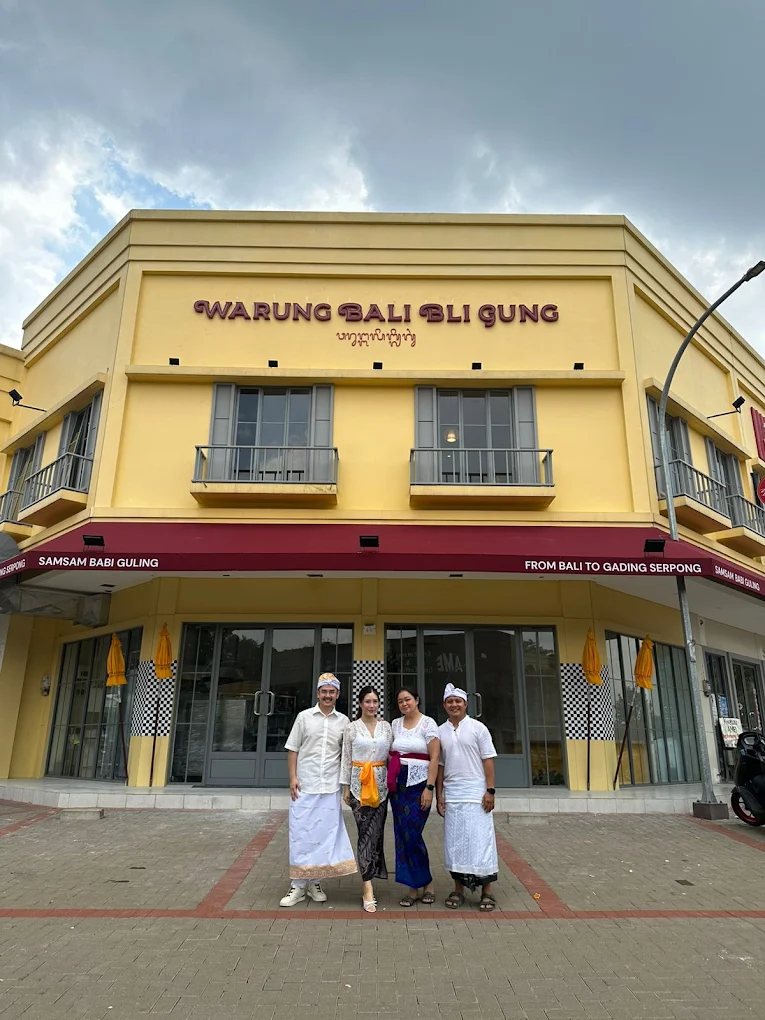
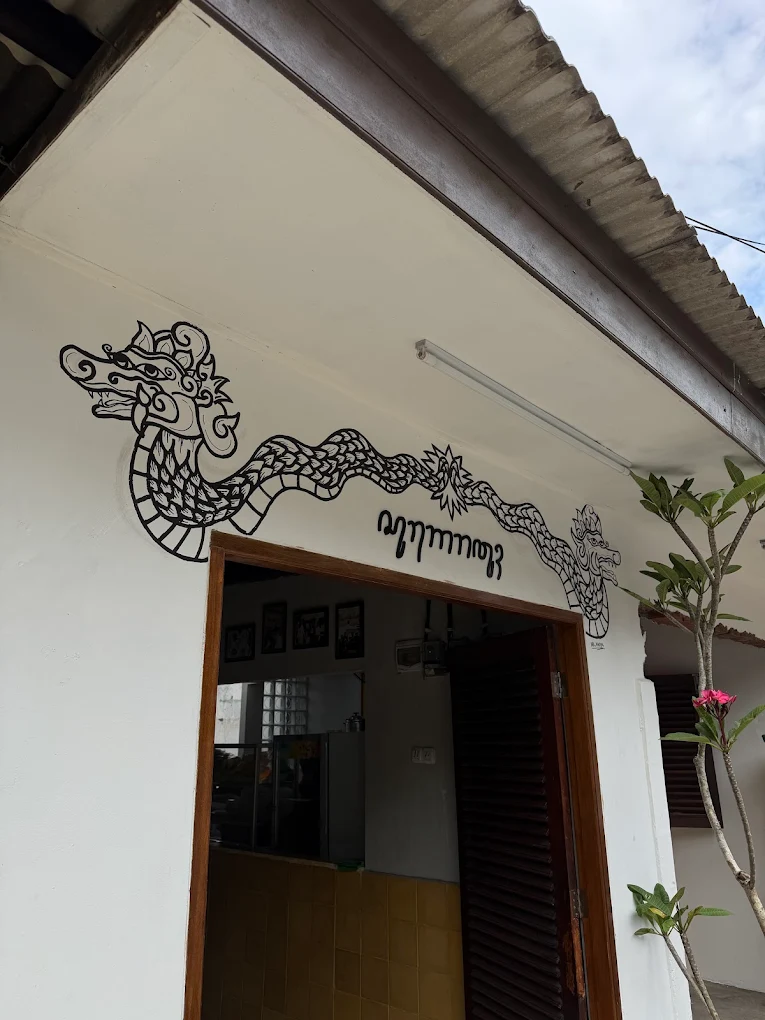
Warung Bali Bli Gung
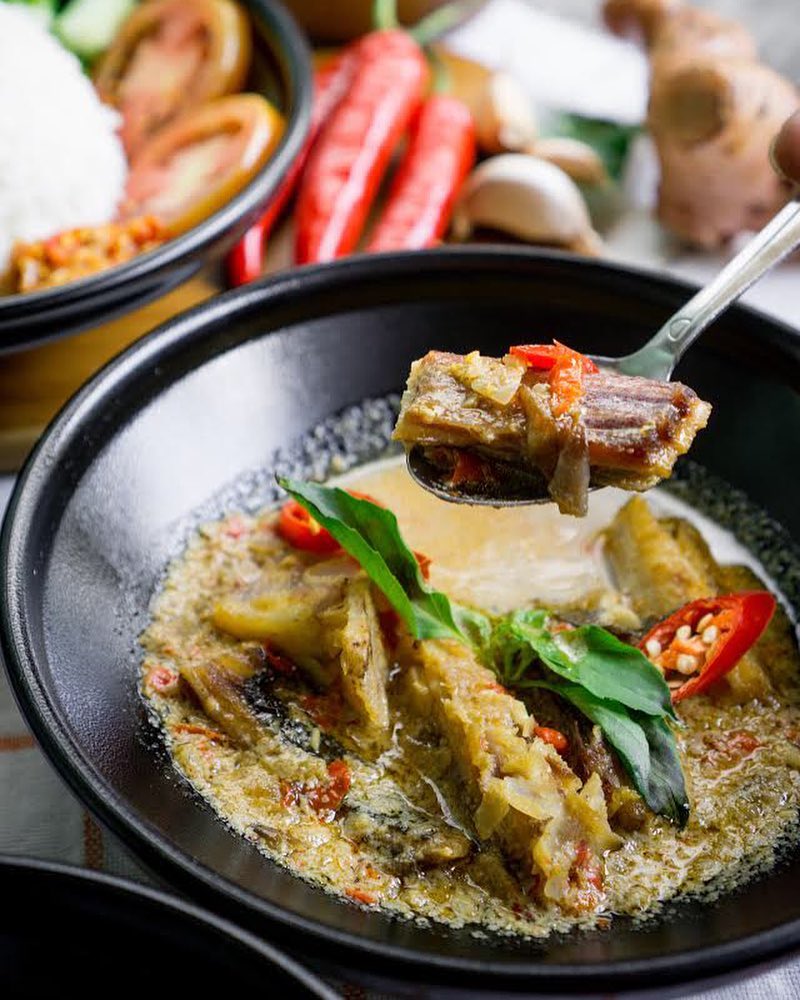
Warung Bali Bli Gung brings Balinese Samsam (roasted pork belly) to Jakarta, serving a regional specialty in a simple setting with Balinese touches. Expect juicy meat served with lawar, urutan, and to top it all off, kuah base genep.
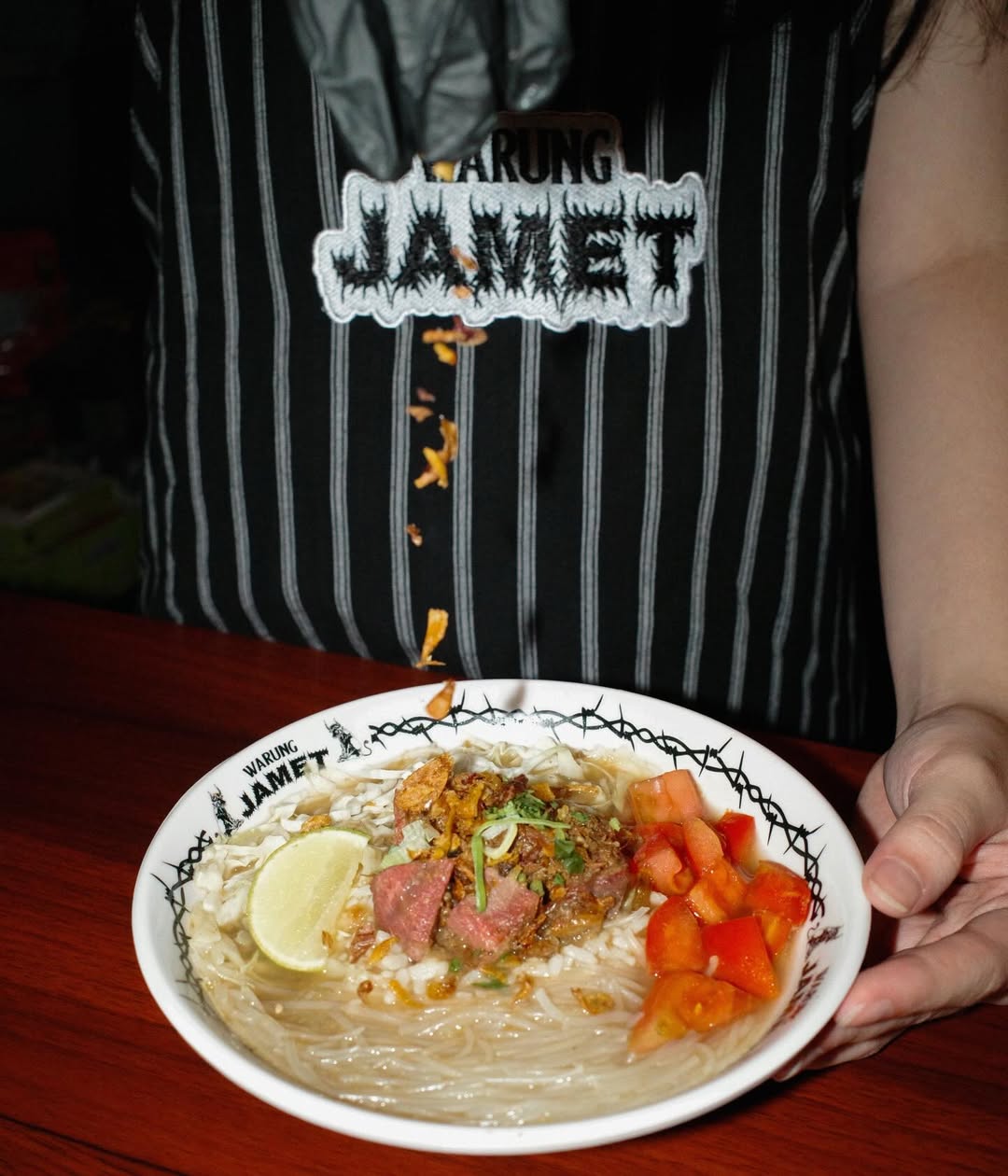
Warung Jamet
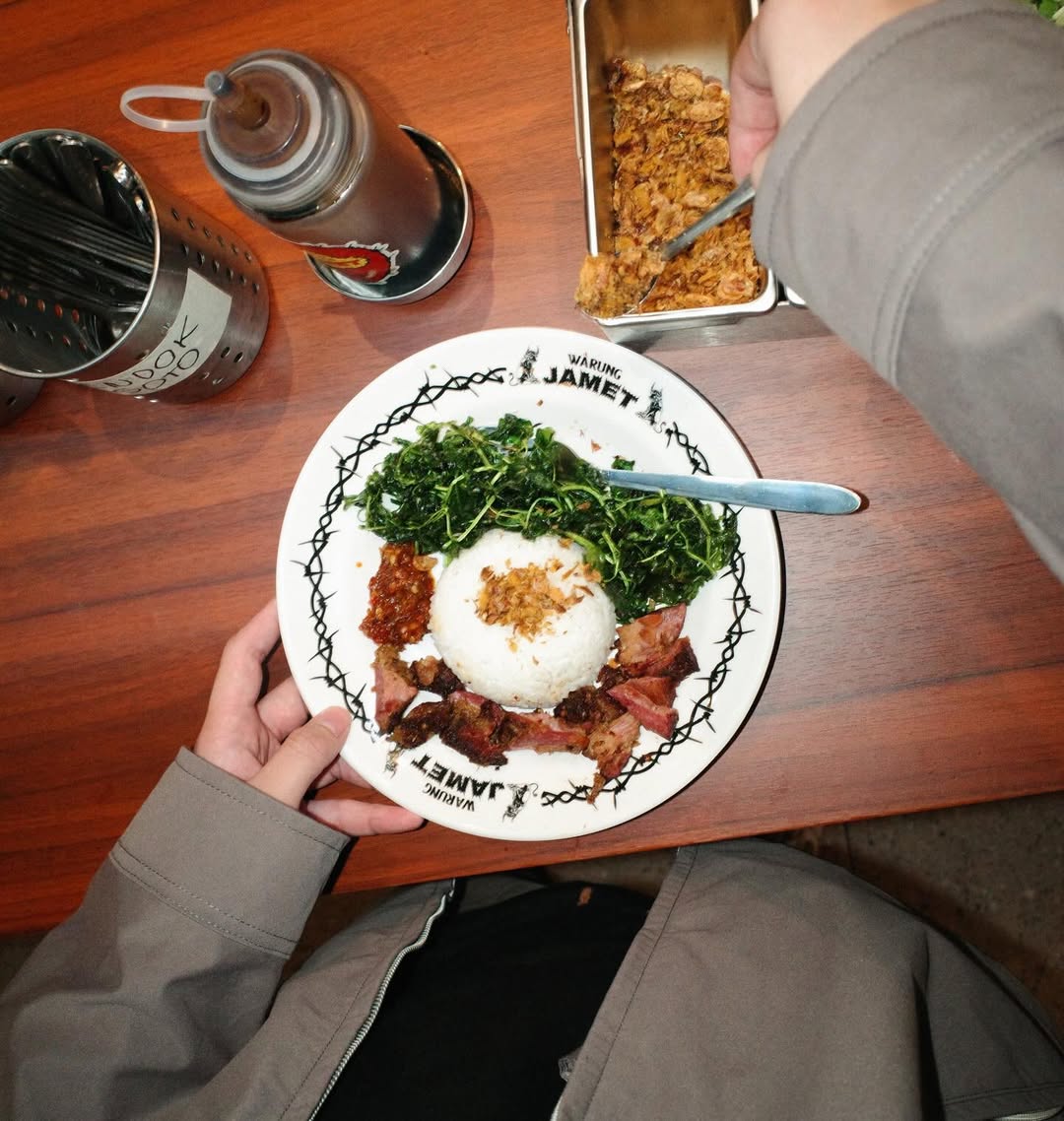
Warung Jamet blends Javanese food with metal aesthetic and ironic humor by turning the warung into a relaxed space of subculture expression.
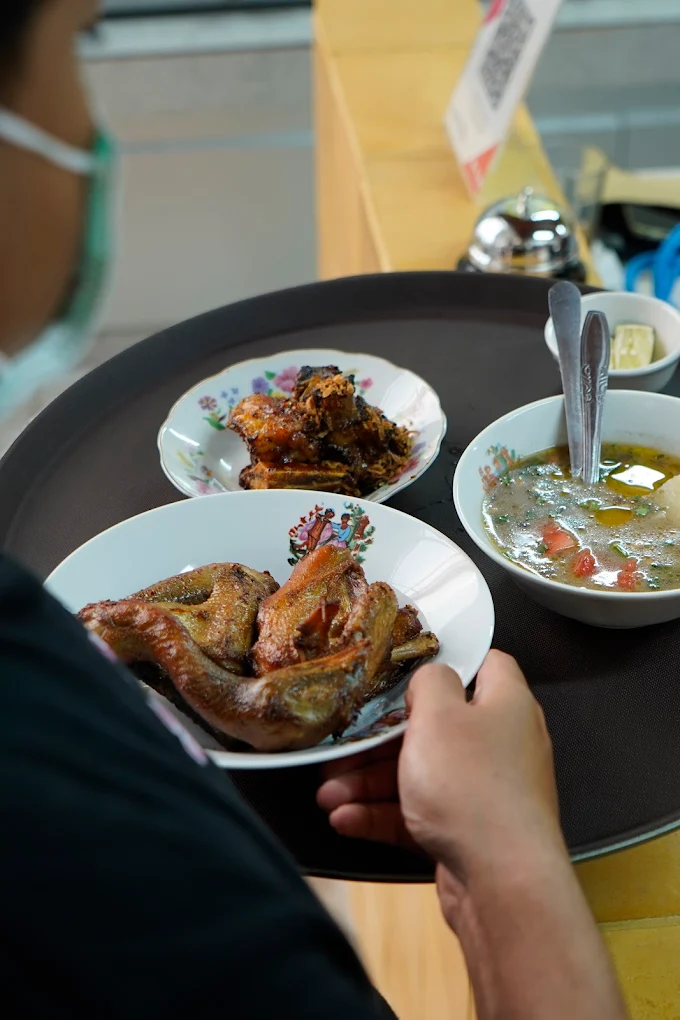
Warung Pak Chandra
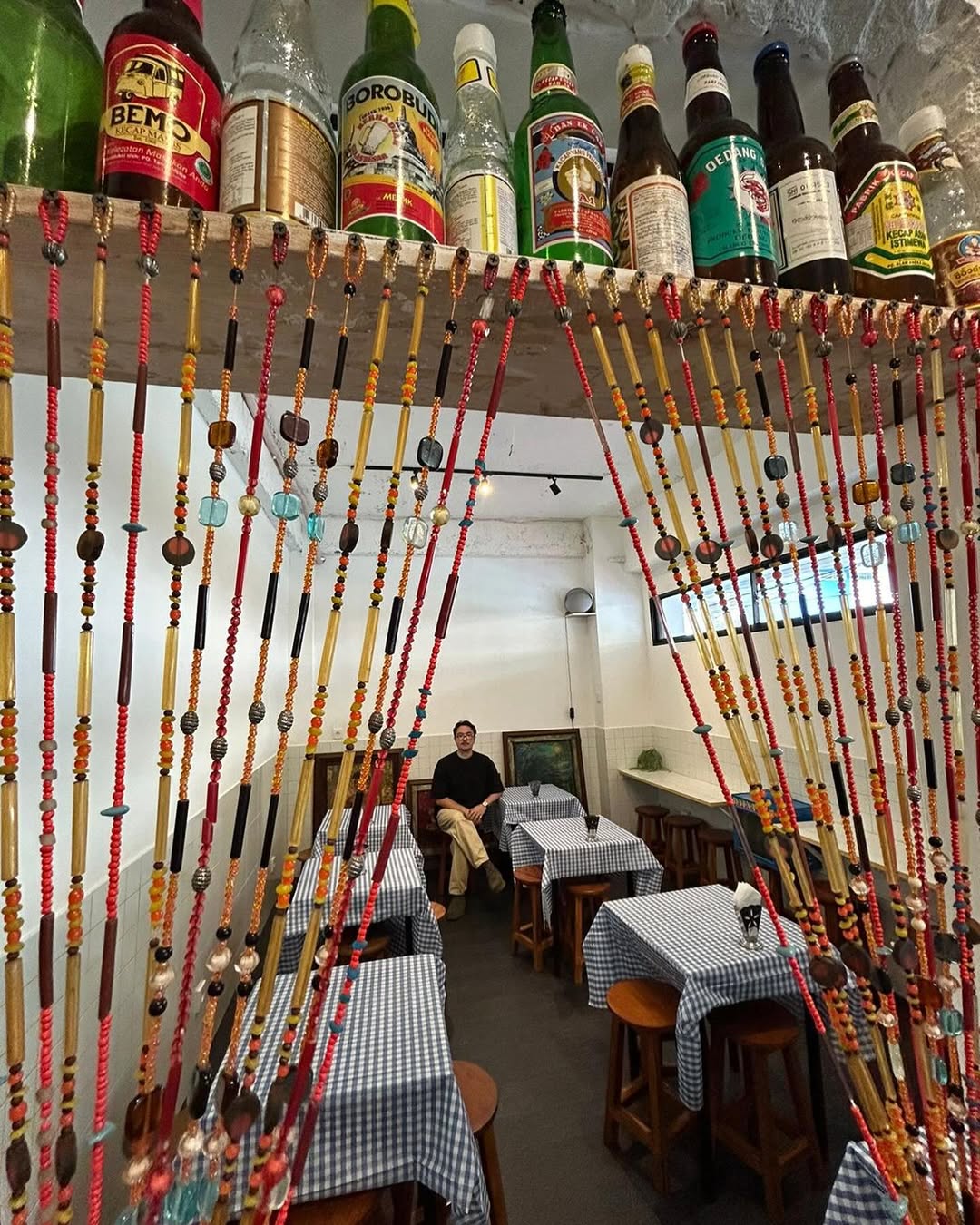
After returning to Indonesia from the Netherlands, where he worked at a Thai restaurant, Fonz opened Warung Pak Chandra as a space to serve Thai-Indo dishes that feel personal and home-cooked.
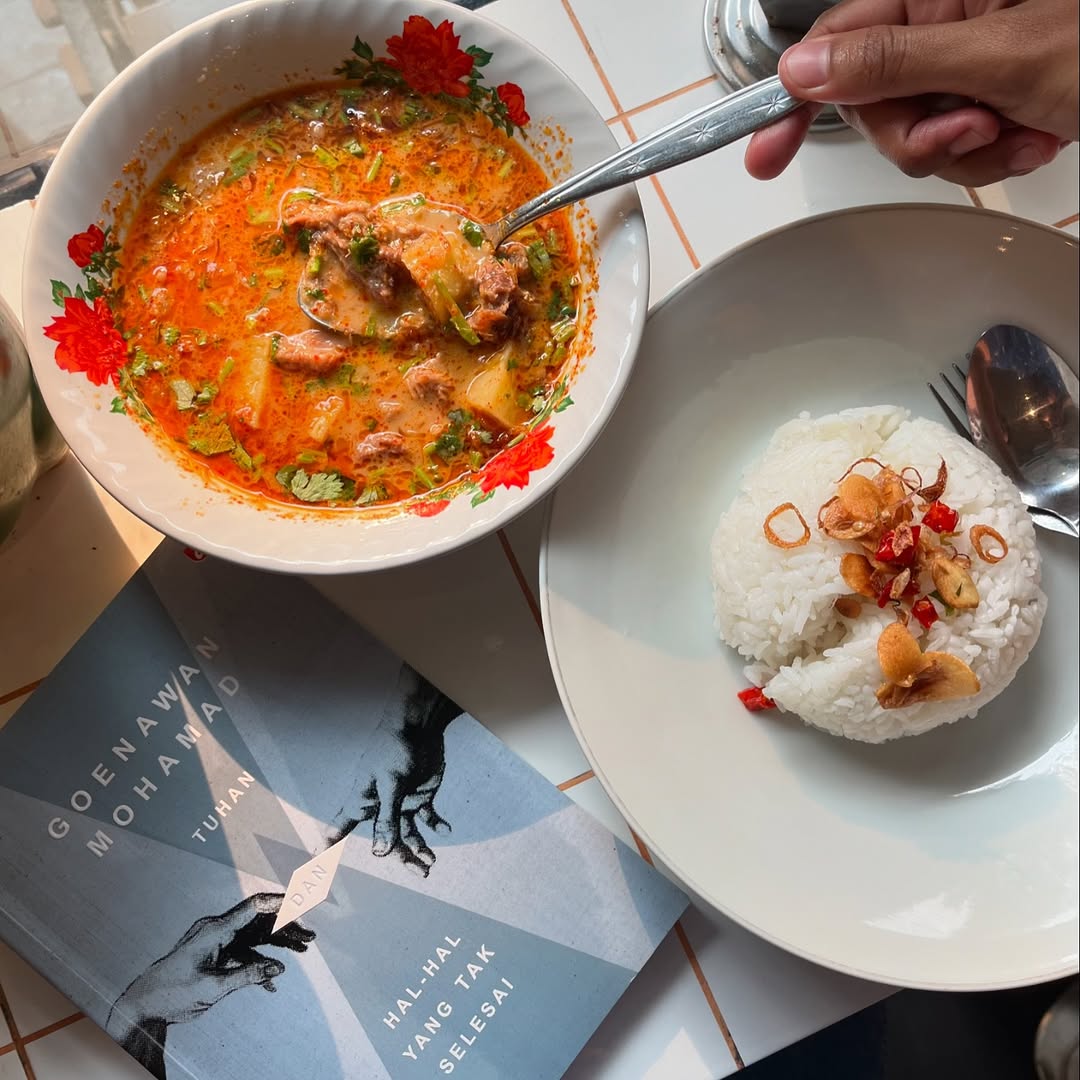
Alongside warteg-style ready meals, the space leans into “inauthenticity” as part of the experience—embracing fusion through dishes like Soto Betawi Chiang Mai Style.