In Indonesia’s rapidly evolving food scene, 2026 won’t be defined by restaurant critics or traditional dining guides alone. The trends shaping our tables are increasingly formed by what moves fastest on screens—through a flick of a thumb, a short video, or a hashtag search.
The numbers tell a clear story. The Digital 2026: Indonesia report shows social media identity counts in the country reaching roughly 180 million users in 2025, with people spending nearly 22 hours a week on platforms like TikTok, Instagram, and YouTube. This digital immersion isn’t just entertainment — it’s social discovery in action, influencing everything from what we try for breakfast to where we book dinner.
Social Media as the New Search Bar
Food trends are no longer born in print reviews — they are searched for and discovered directly on social media. Younger generations in particular have shifted how they look for new food ideas. Instead of first Googling “best dessert café in Jakarta,” many Gen Z users now type phrases like “matcha Jakarta” or “donut viral TikTok” directly into Instagram or TikTok search bars — treating these platforms as their primary discovery engines.
This isn’t speculation. Google’s Year in Search 2025 data for Indonesia reveals terms like “Resep Matcha” and “Dubai Chocolate Strawberries” among the most-searched food queries of the year — showing a clear appetite for social-friendly, visually engaging foods.
Beyond Casual: Gen Z, Millennials and the Rise of Diverse Dining
What’s also shifted is where people want to eat.
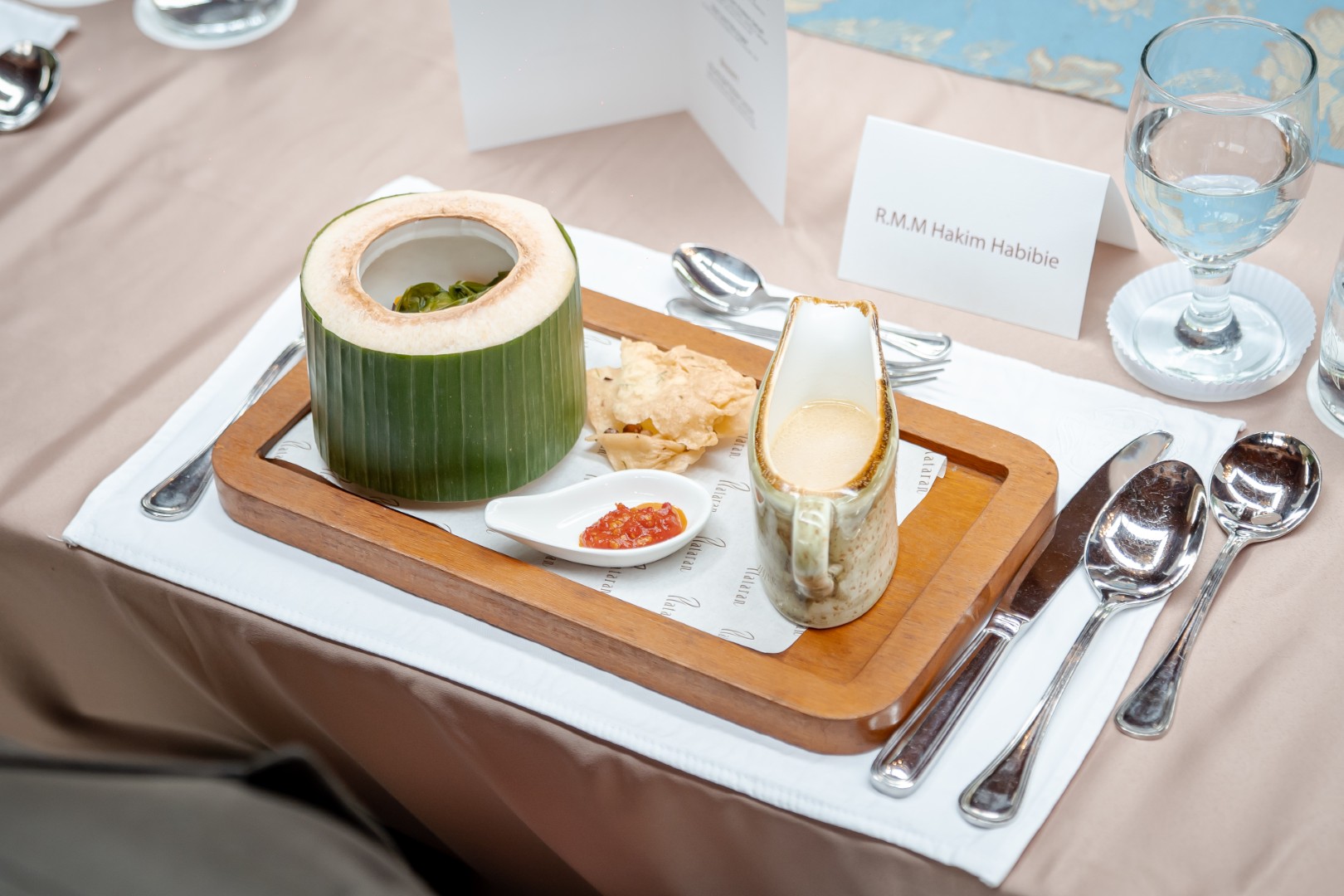
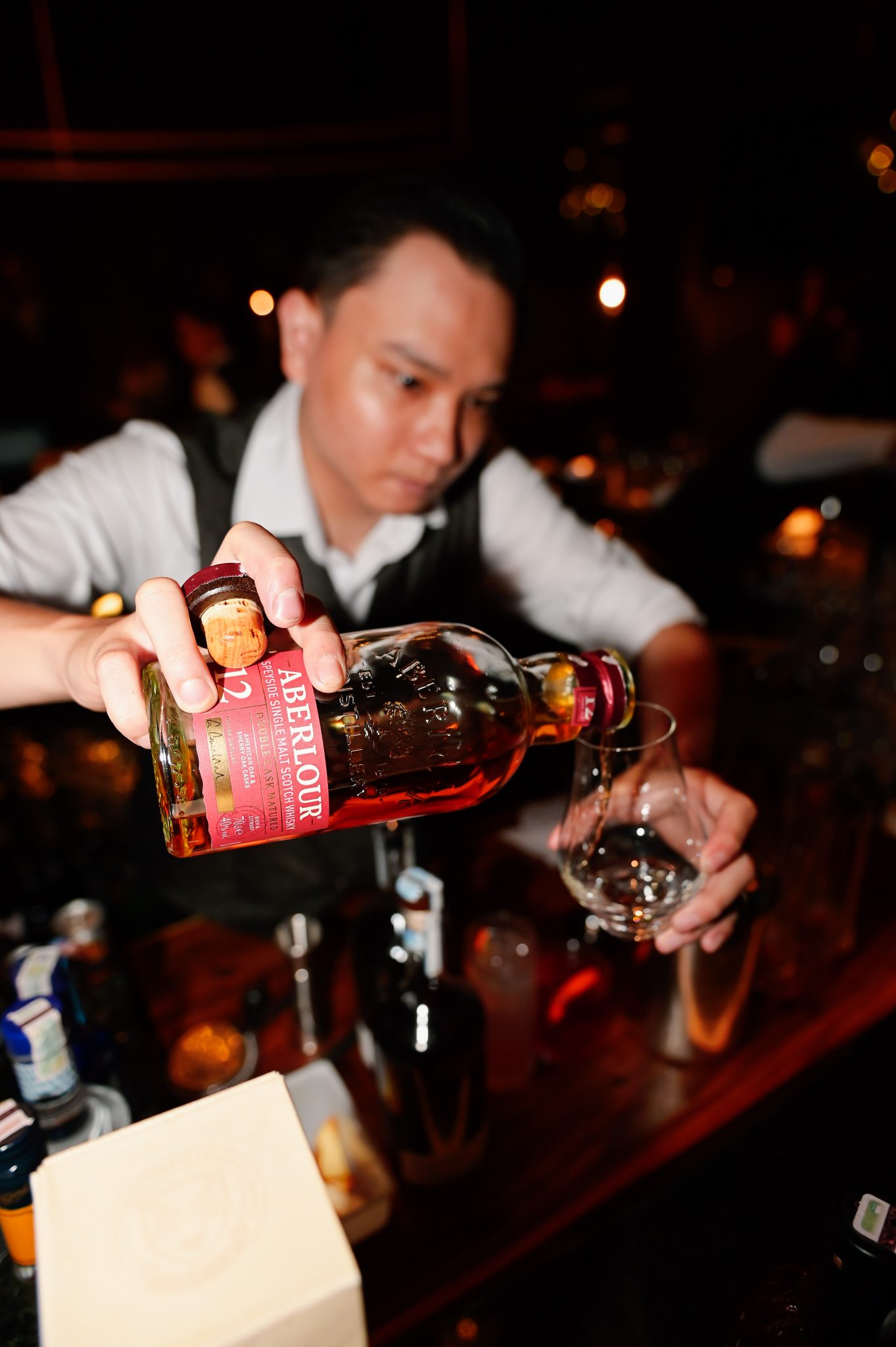
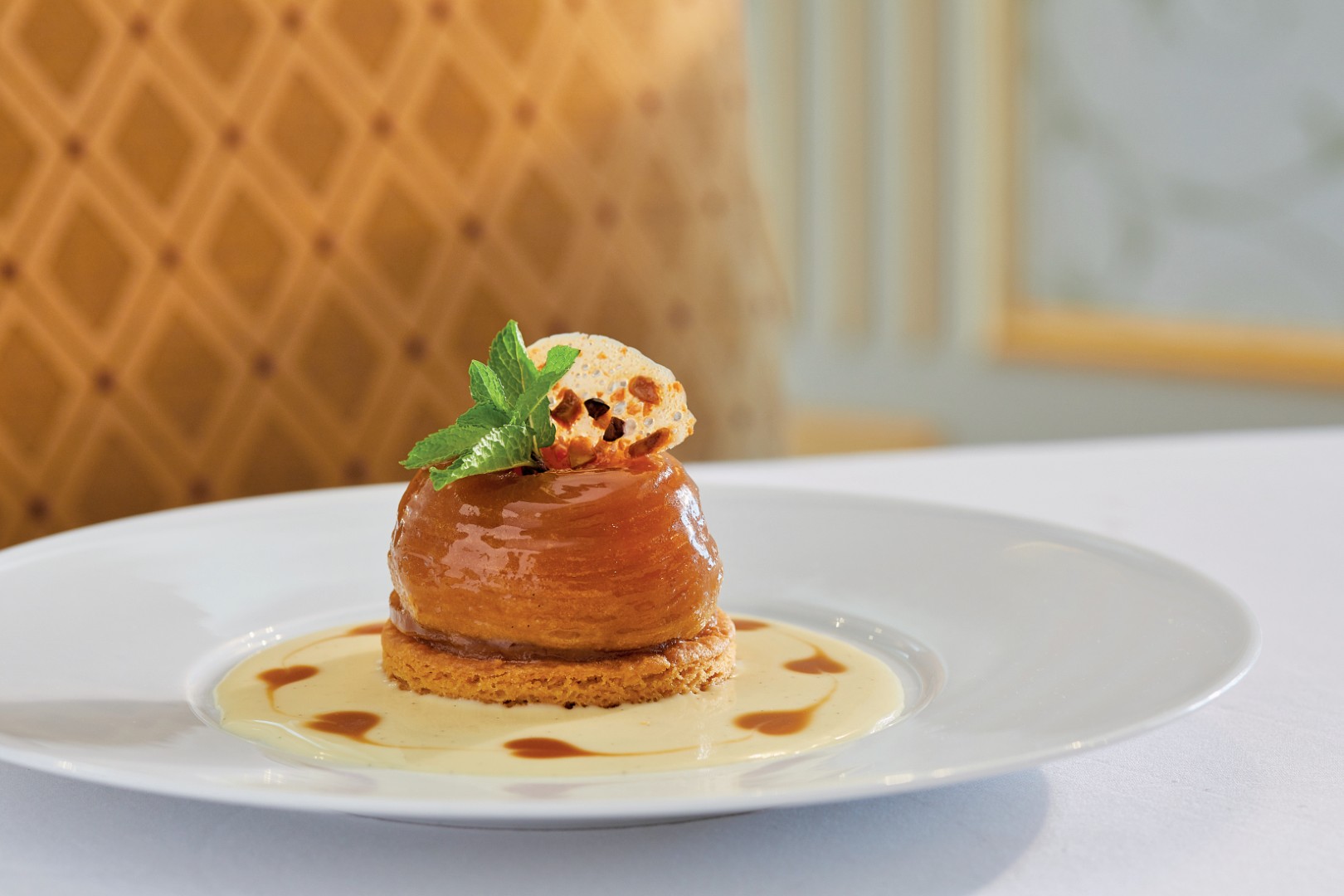
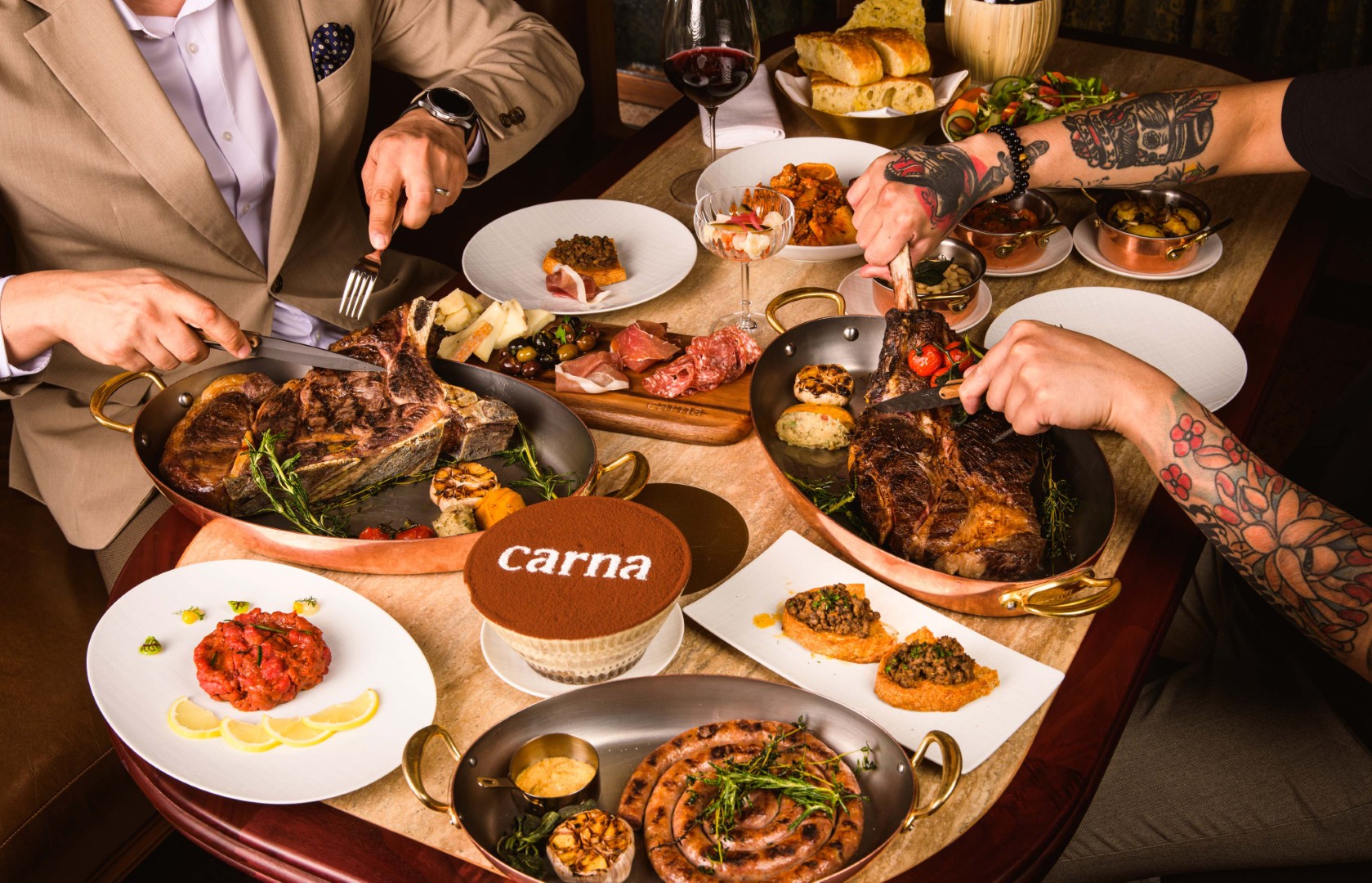
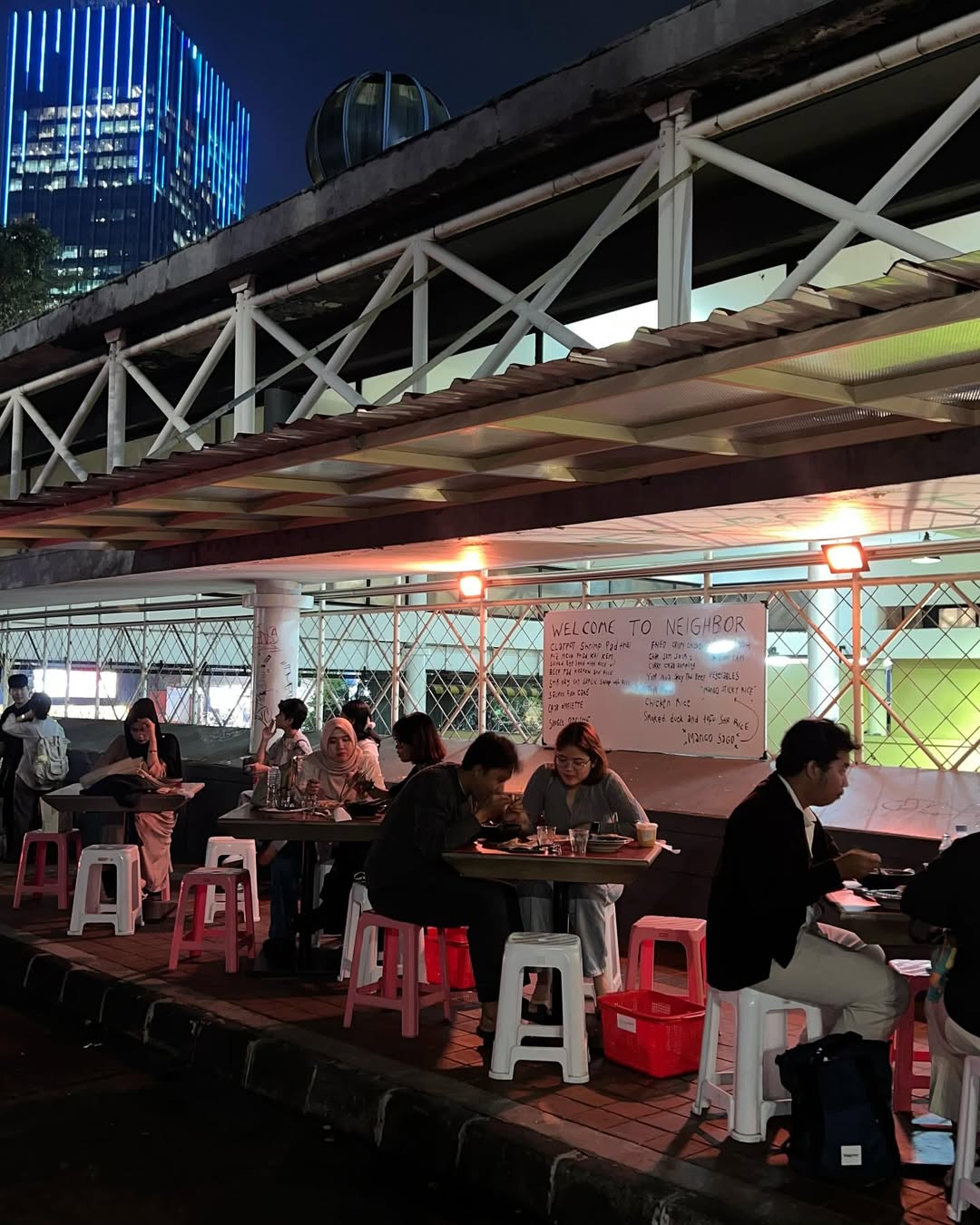
In the mid-2010s, social media food culture was dominated by casual cafés and street food — the kind of places that show up easily on short videos and quick feeds. But in 2025, a strong pattern emerged: Gen Z and millennial diners became more open to exploring all levels of dining — from affordable all-you-can-eat spots to fine dining experiences in luxury hotels.
This change isn’t just about taste preferences. It reflects a deeper behavioral shift: young diners want both value and story — and they expect to find these experiences through social validation, whether that’s TikTok reviews of a five-star tasting menu or Instagram stories about a buffet that’s “worth every bite.”
It’s not unusual to see videos tagging pricey hotel restaurants alongside clips of local comfort stalls. In 2026, dining out is more democratic — and more socially visible — than ever.
Viral Foods That Captured Screens and Stomachs
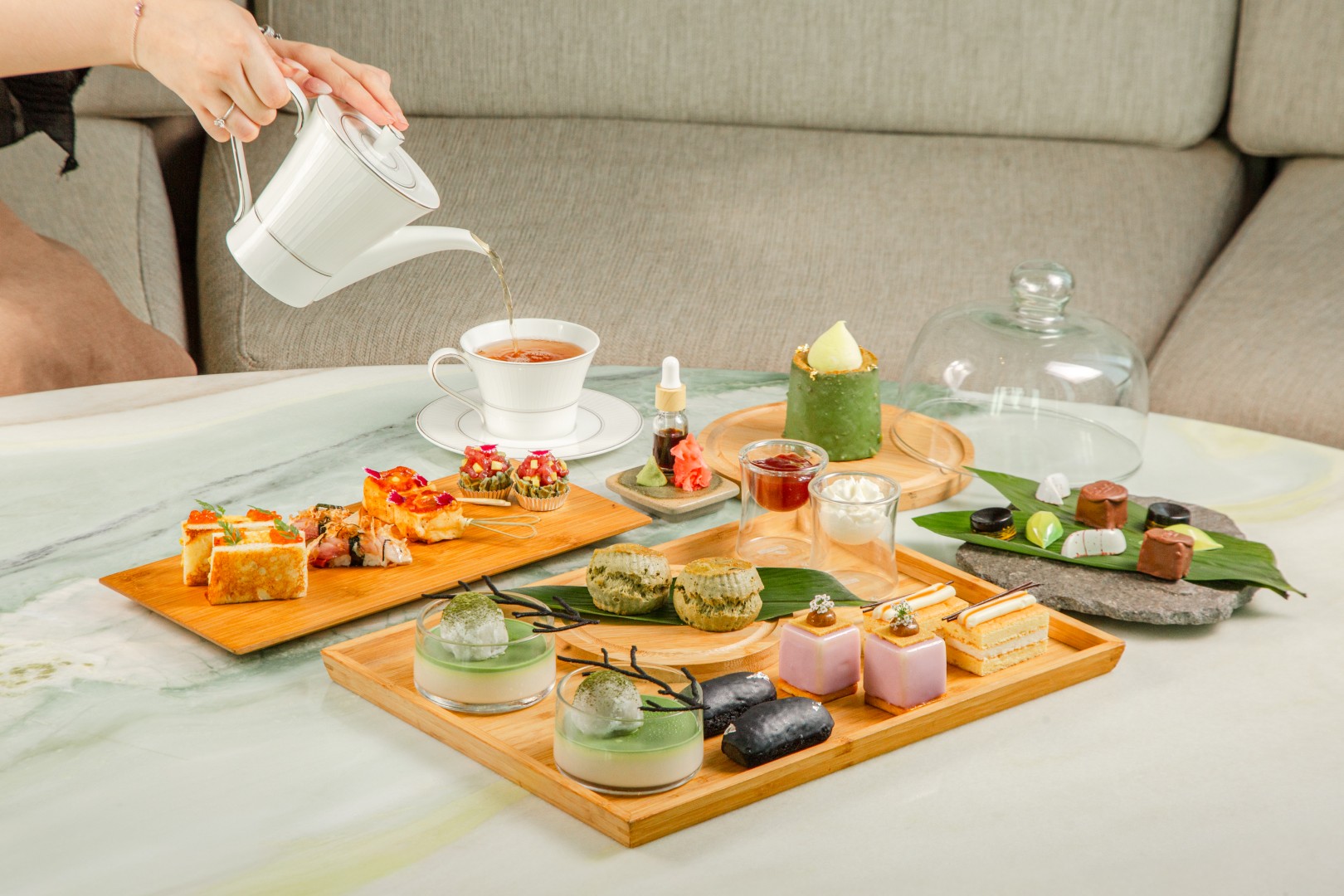
The food that trended on social platforms in 2025 tells its own story. Matcha held strong, not just as a drink but as a flavor motif — from desserts to drinks — long after viral first became the word of the year.
I remember when ceremonial-grade matcha cafés first started popping up everywhere. The lines out the door were real — even unprompted, friends would text me pics of their matcha lattes minutes after posting. And as the trend settled, a new variant — corn milk matcha — began circulating online, giving the craze a fresh spin, making it an everlasting discussion online nor offline.
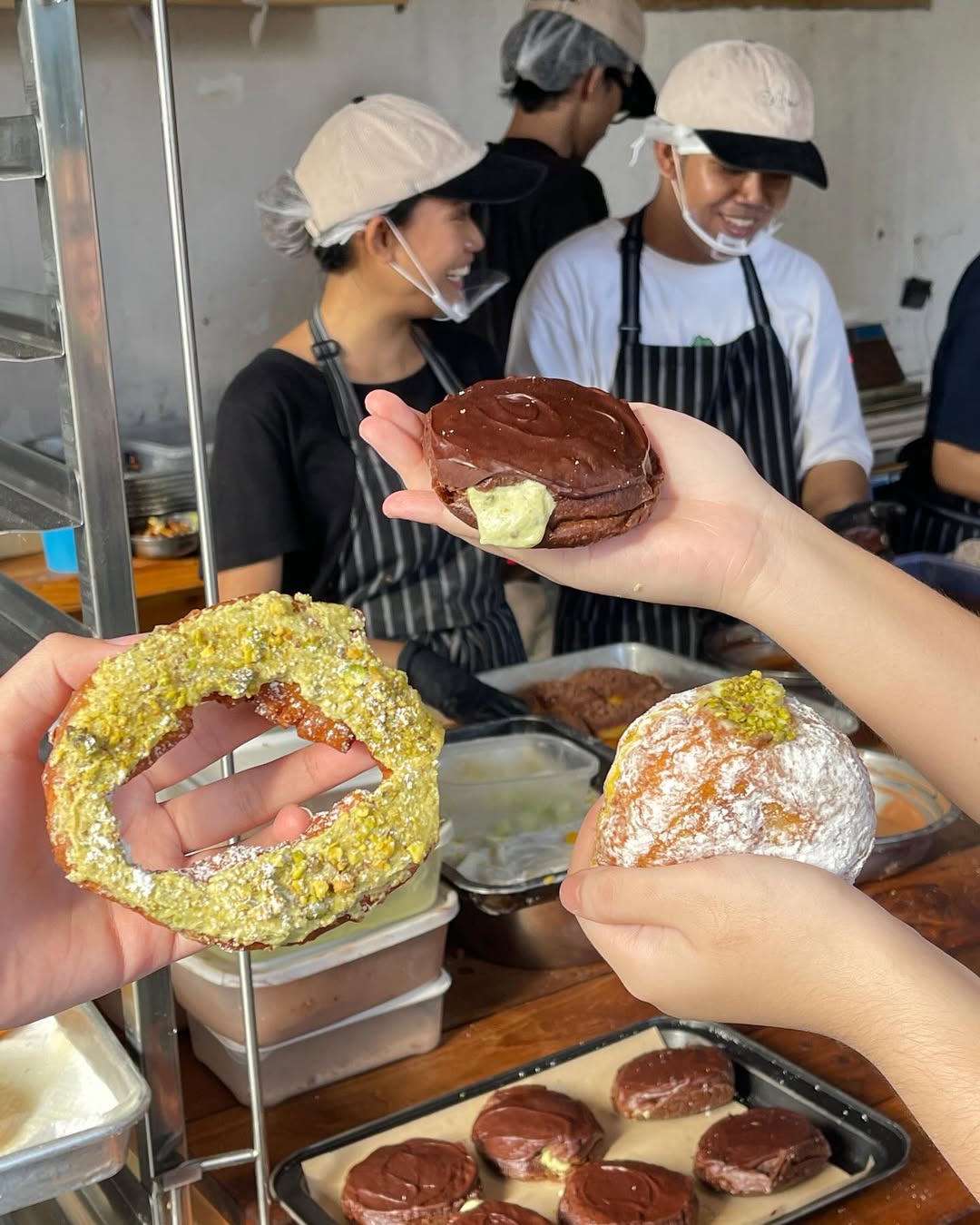
Other viral hits included mochi pastries, pumpkin and potato donuts, tiramisu boxes, and affordable brownie cheesecakes. These were not always the most gourmet items on a menu, but they were highly shareable: visually appealing, easily framed in a 6-second clip, and adapted to local taste preferences.
From Blok M to Fine Dining: The Geography of Trends
Take Blok M, for example. A vibrant food neighborhood long known for variety, it became a microcosm of social media’s influence. Affordable snacks sat side-by-side with mid-range cafés and occasional fine dining pop-ups — all amplified through reels, feeds, and hashtag searches. The social buzz kept the area alive, irrespective of price range.
More upscale restaurants and hotel dining rooms also found themselves in the spotlight — not because they chased virality, but because social media made them discoverable to audiences that traditionally might never have walked through their doors. Gen Z’s curiosity for novel experiences, combined with the millennial penchant for quality and value, broadened the bandwidth of what “trending food” could mean.
What This Means for 2026
In food culture today, visibility is currency. The dishes we see trending aren’t just pretty — they are discoverable, searchable, and shareable. Restaurants that align clearly with searchable concepts—whether that’s a flavor profile like matcha, a location like Blok M, or a format like all-you-can-eat — have a competitive advantage.
And yet, social media only sets the pace. The challenge for 2026 will be turning momentary virality into sustained relevance — blending shareable moments with genuine culinary experience.
In other words, 2026 won’t just be about what people eat — it will be about how people find it, talk about it, and share it.
This interplay between online visibility and real-world behavior will continue to redefine Indonesia’s food landscape — from casual bites to fine dining — not simply by flavor or price, but by the way it travels through our feeds, our searches, and our conversations.