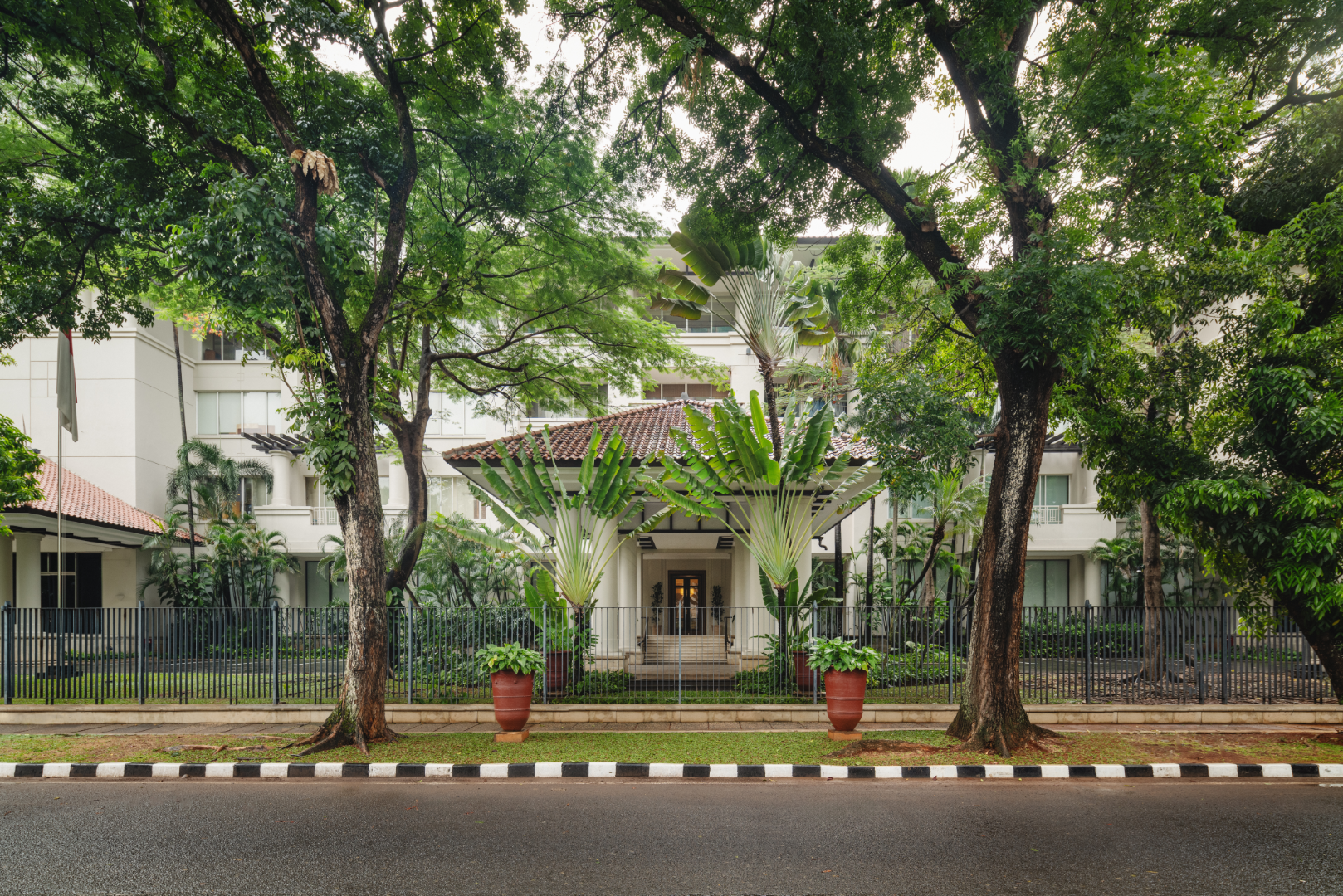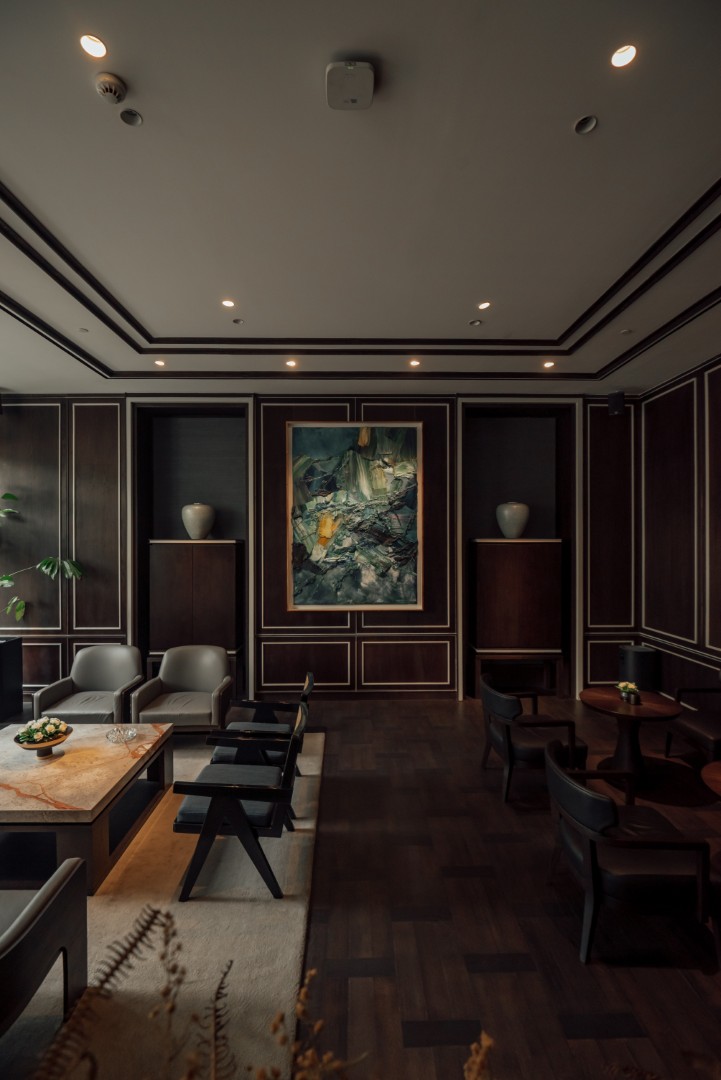
For nearly three decades, Bimasena has stood as a private enclave for dialogue, culture, and connection. Established in 1997 under the leadership of the late Prof. Dr. Subroto, the membership-based social club was envisioned as a refined yet intimate space where thoughtful exchange could contribute to Indonesia’s long-term growth. It has long been associated with exclusivity, heritage, and intellectual community. Today, that legacy enters a new chapter under Adriel M. Simorangkir.
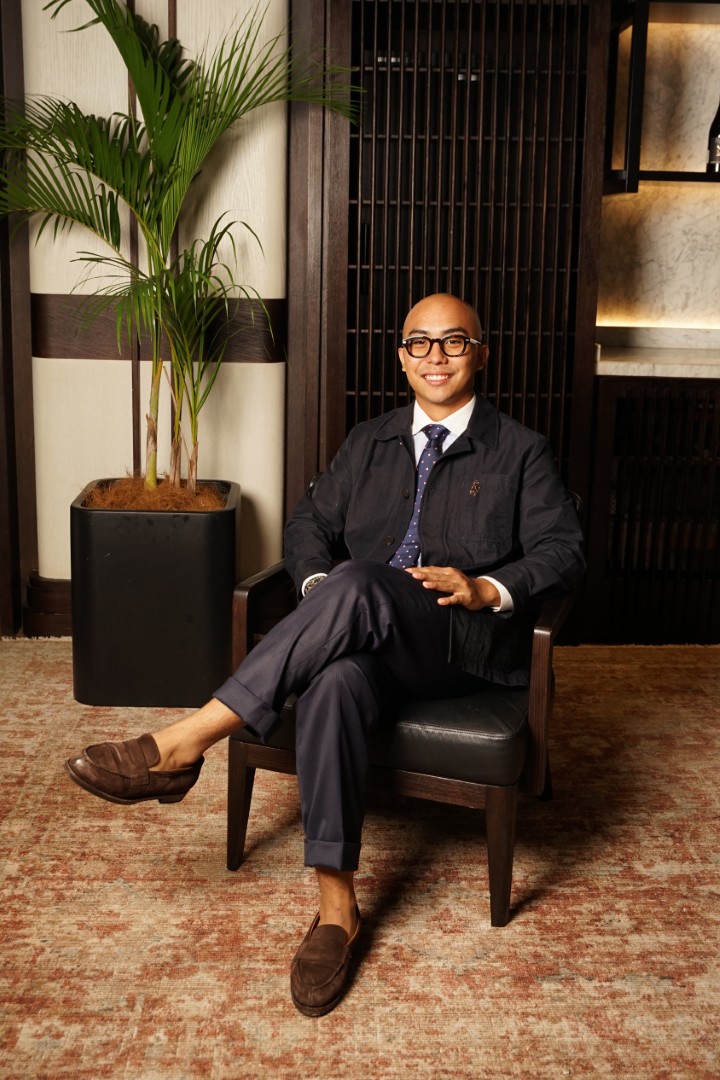
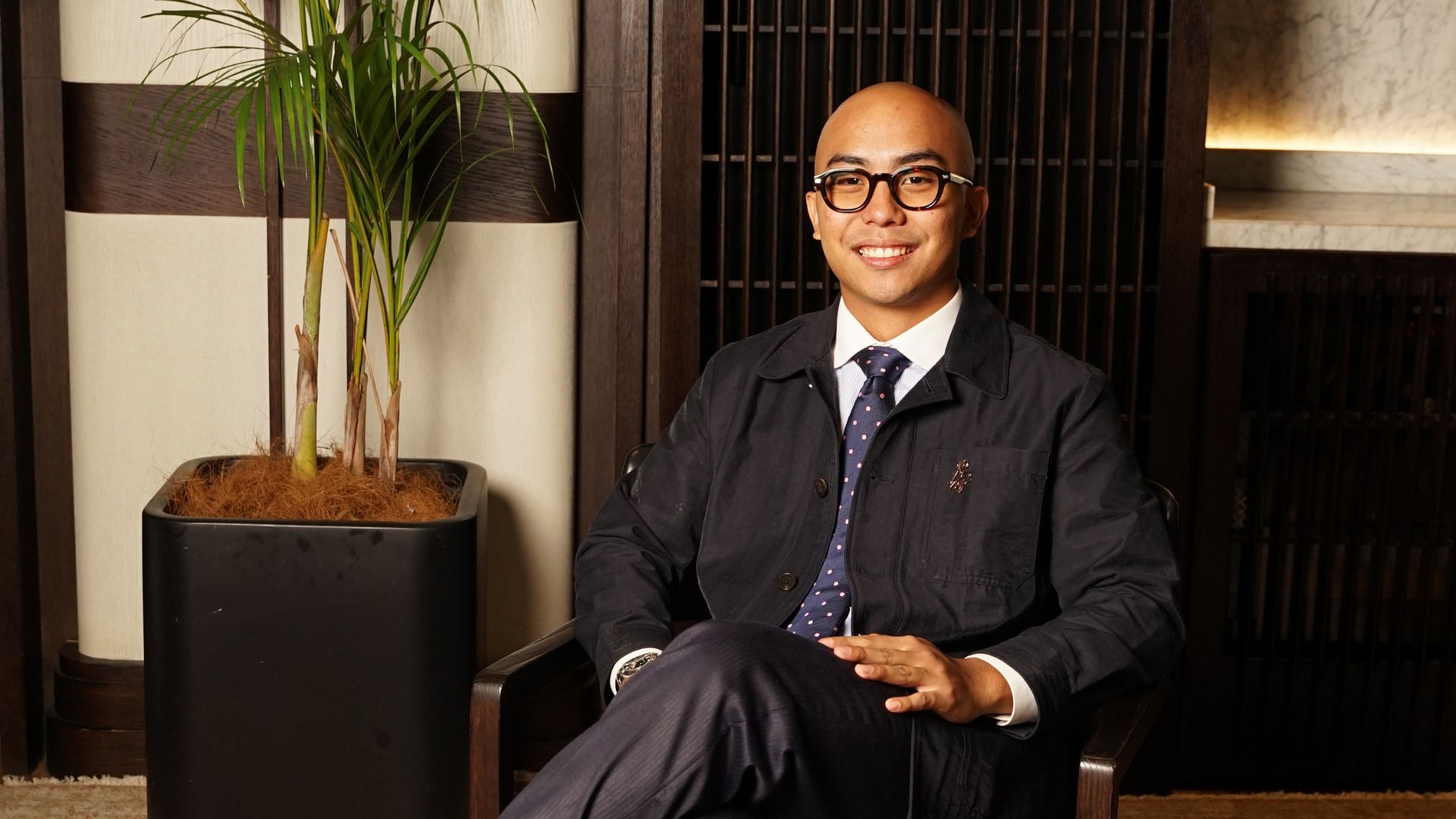
Recently appointed as Managing and Culinary Director, Adriel arrives not from the conventional path of culinary school and kitchen brigades, but from boardrooms and industry strategy. “I am a corporate strategist by background,” he explains.
For the past five years, Adriel worked across energy and sustainability sectors, navigating renewable energy projects, EV initiatives, and portfolio management in both private and public sectors. His work focused on transformation at an industry level. But food had always run parallel.
“This new role is not really much of a pivot, but more like a shift,” he says.
Adriel’s relationship with cooking began long before he stepped into Bimasena. “Food and cooking has always been a part of my life from a very young age,” he says. Serious cooking started during his university years in Manchester. “When I got to Manchester in 2015… I couldn’t cook actually. I couldn’t fry an egg,” he recalls. “I heated up a pan, I didn’t put any oil in it, I cracked an egg straight into it.”
That moment marked the beginning of a deeper culinary journey — cooking for himself, hosting dinner parties for friends, and learning through repetition. During that same period in the UK, he also developed a growing appreciation for restaurants. “I came to learn what I love about restaurants, what I look for in restaurants. And I think that has really fed a lot into what I do today.” He learned not only from the perspective of a guest, but also as someone running the restaurant.
The decision to leave corporate life was both practical and personal. The opportunity at Bimasena was the first in F&B that allowed him to make the transition full-time. Yet the motivation ran deeper. In corporate, he says, “everything always felt quite abstract.”
Despite working in transformative industries, the daily tasks often felt distant from tangible outcomes. “What I crave from being in hospitality and F&B is that it’s visceral. There’s immediate feedback to whatever that we do on a daily basis.” Hospitality, for him, feels more human.
Comfort, Depth, and Surprise
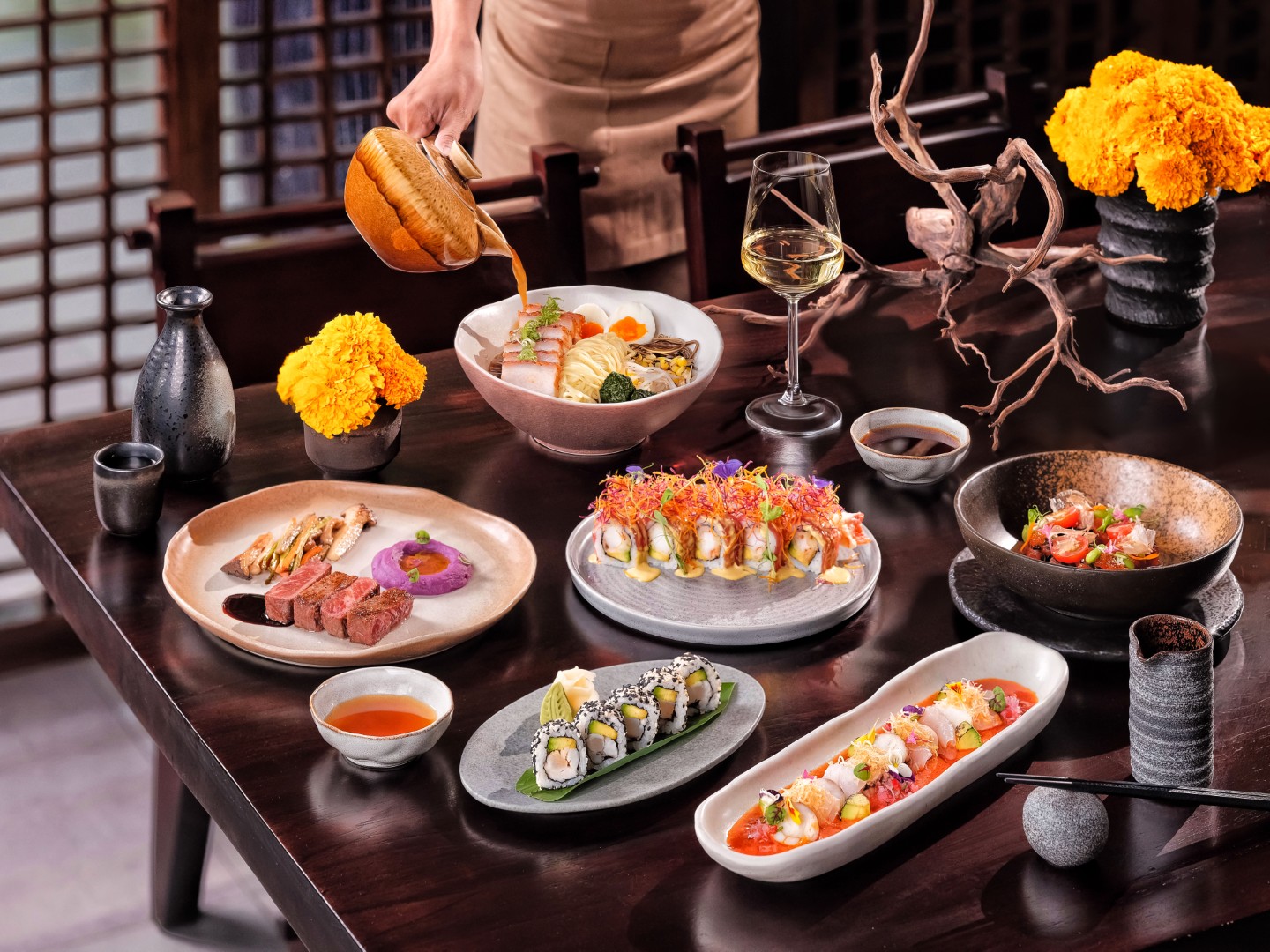
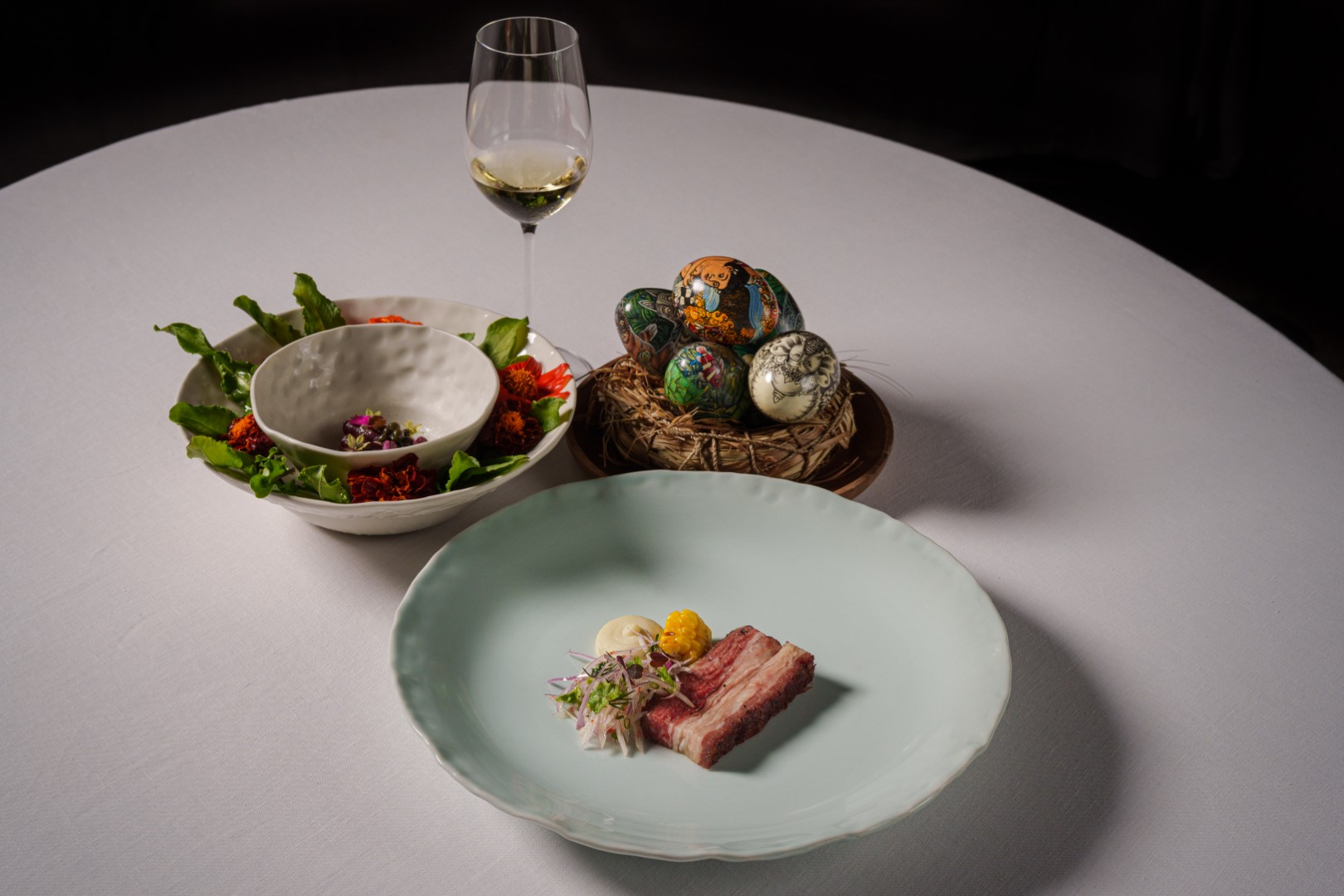
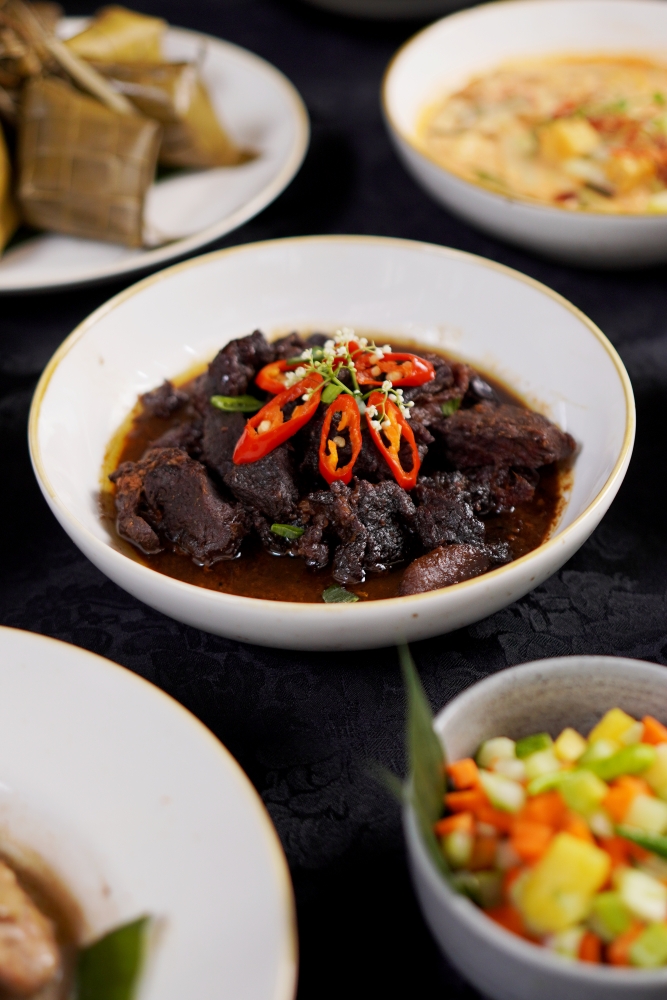
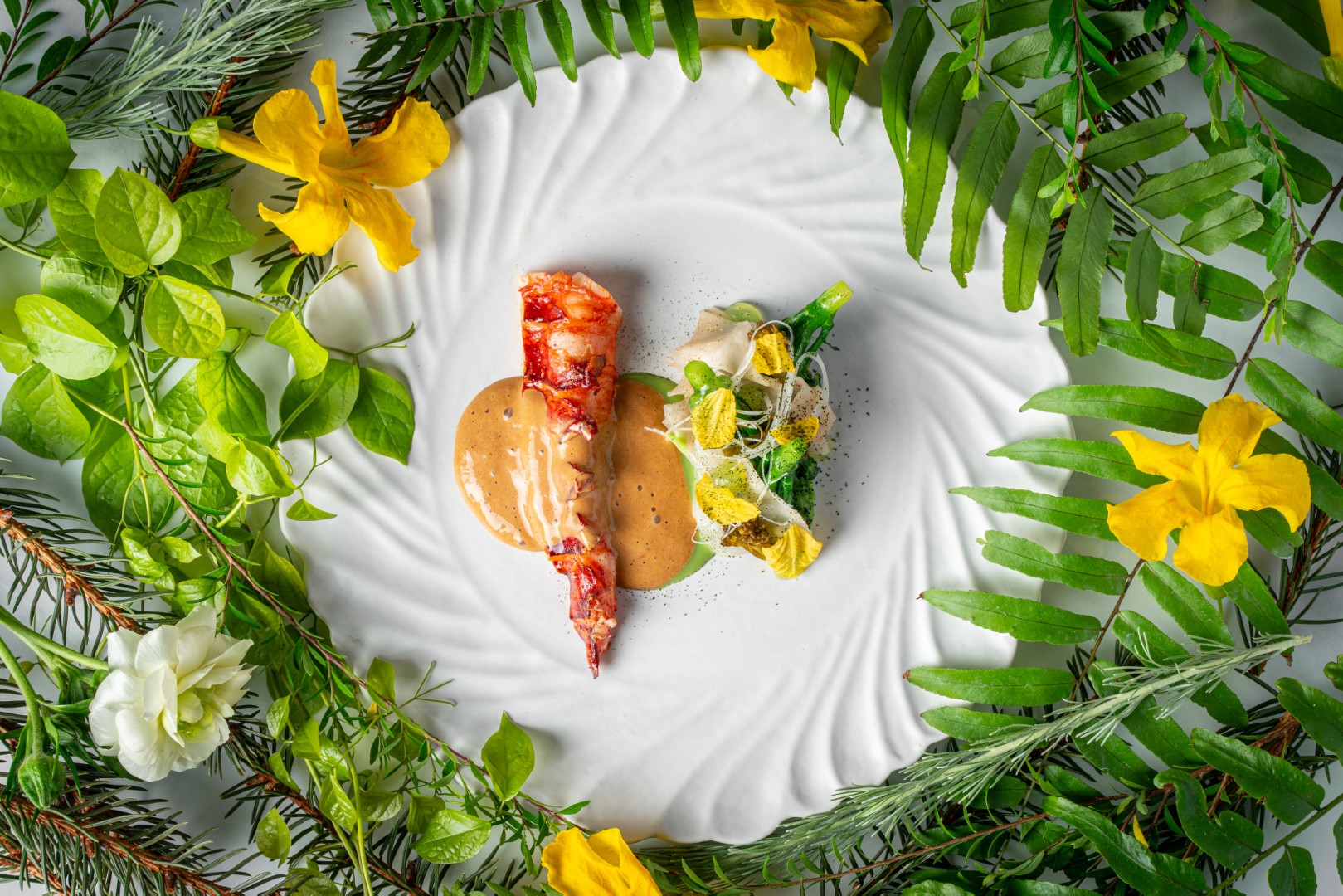
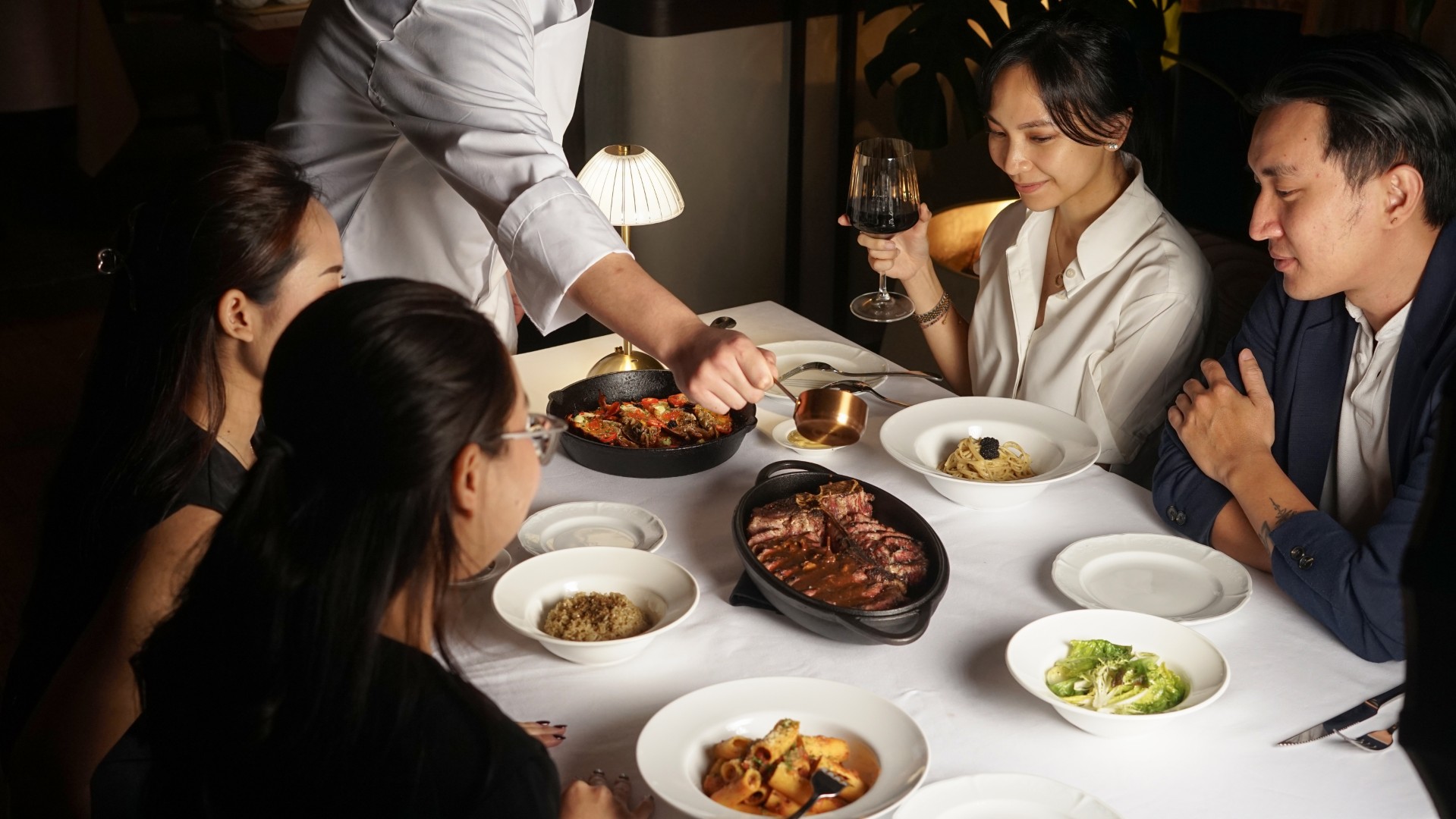
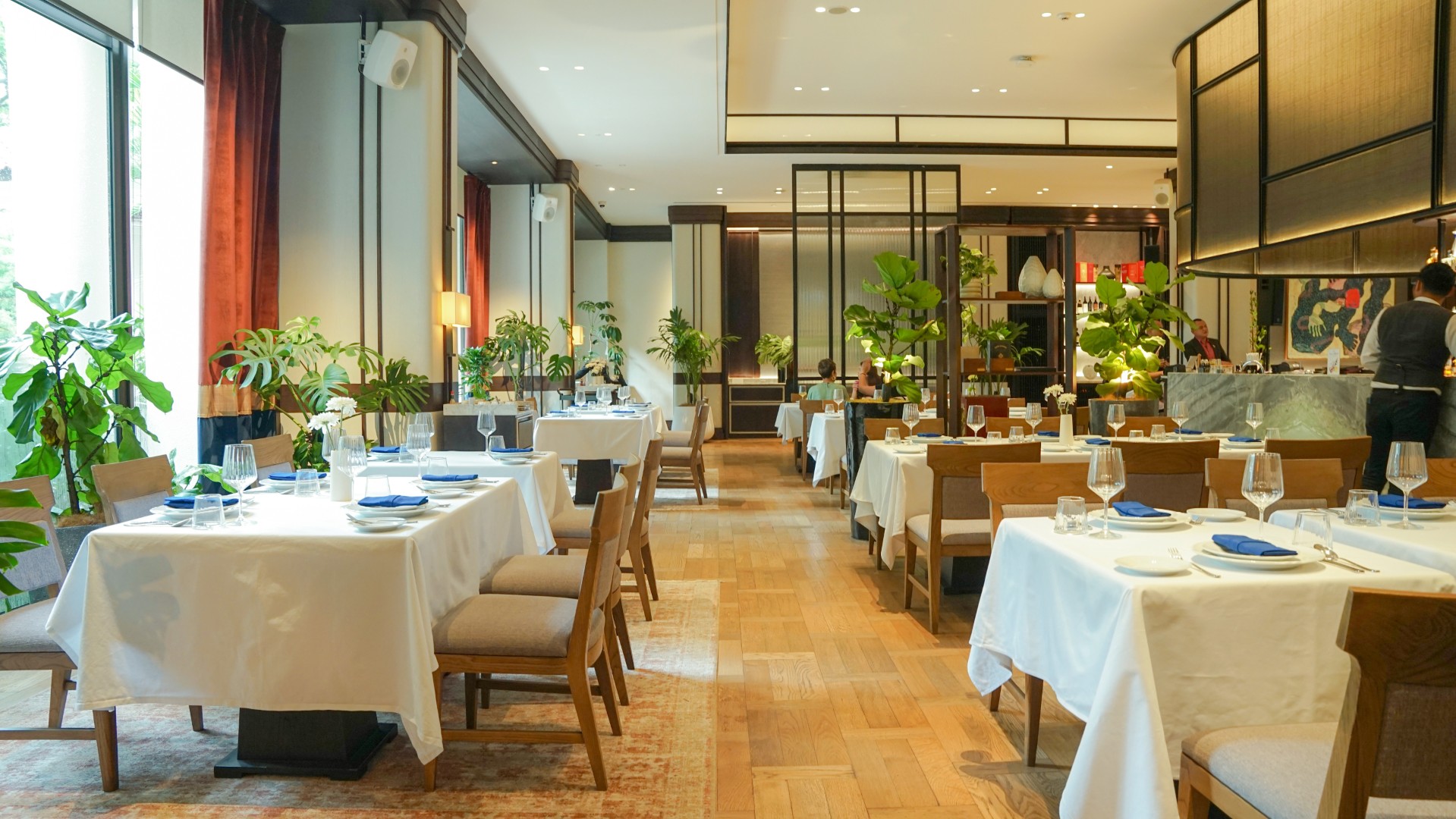
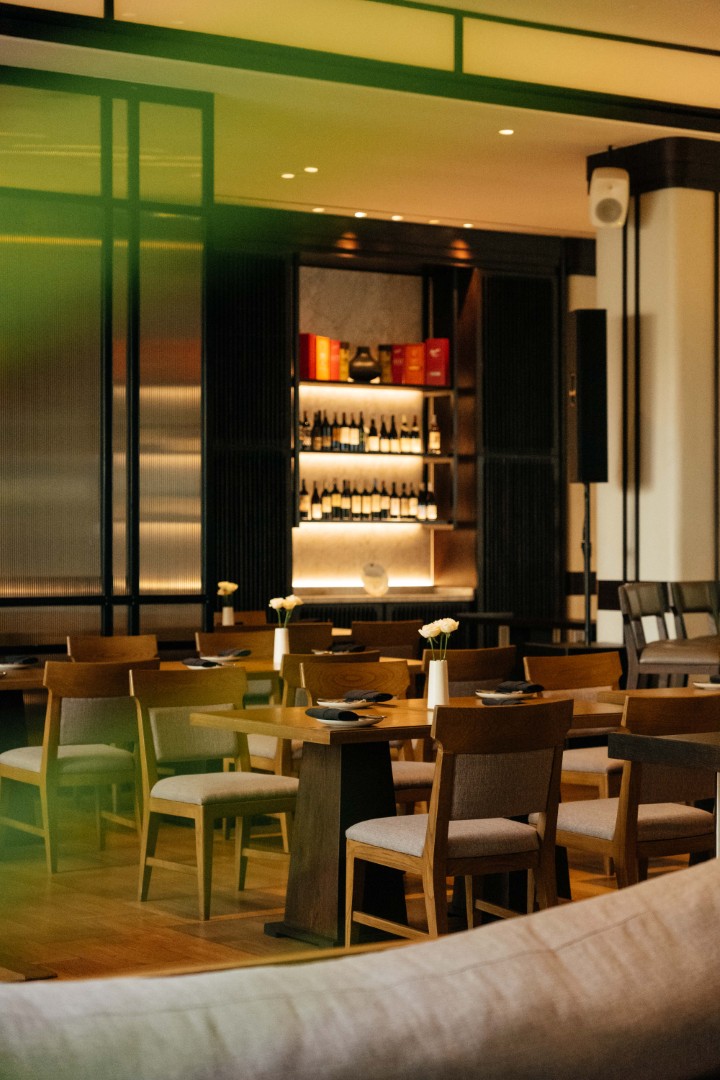
At The Rooang — Bimasena’s public-facing restaurant — that human approach translates into what he describes as a modern Indonesian bistro. Rather than pursuing technical spectacle, he and his team anchor their cooking on three principles: comfort, depth, and surprise.
“All of the food that the team and I are doing now must have a clear point of reference,” he explains. “We don’t require people to think about what we’re trying to do with that plate of food.”
Simplicity, however, does not mean a lack of rigor. “Every component that we put on the plate needs to show a deep level of understanding of what we’re trying to do and the techniques behind it.” And beyond clarity and technique, each dish must offer something memorable — “a clear element of surprise.”
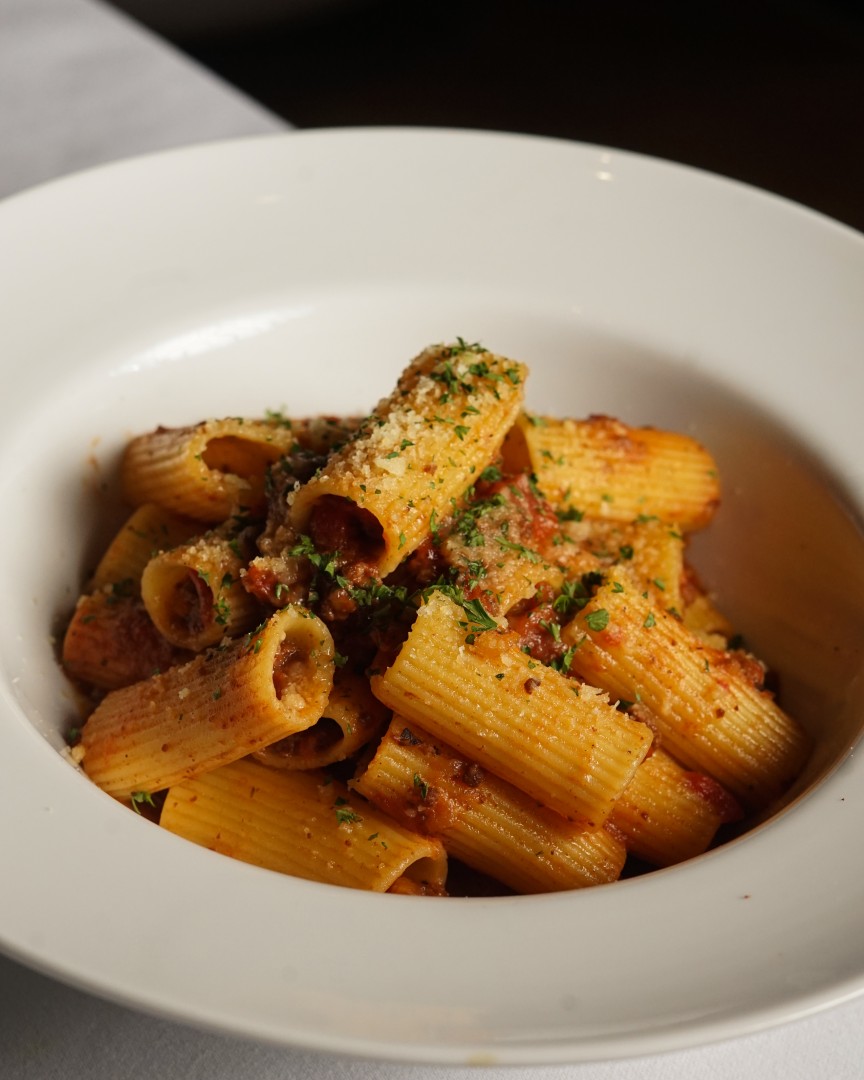
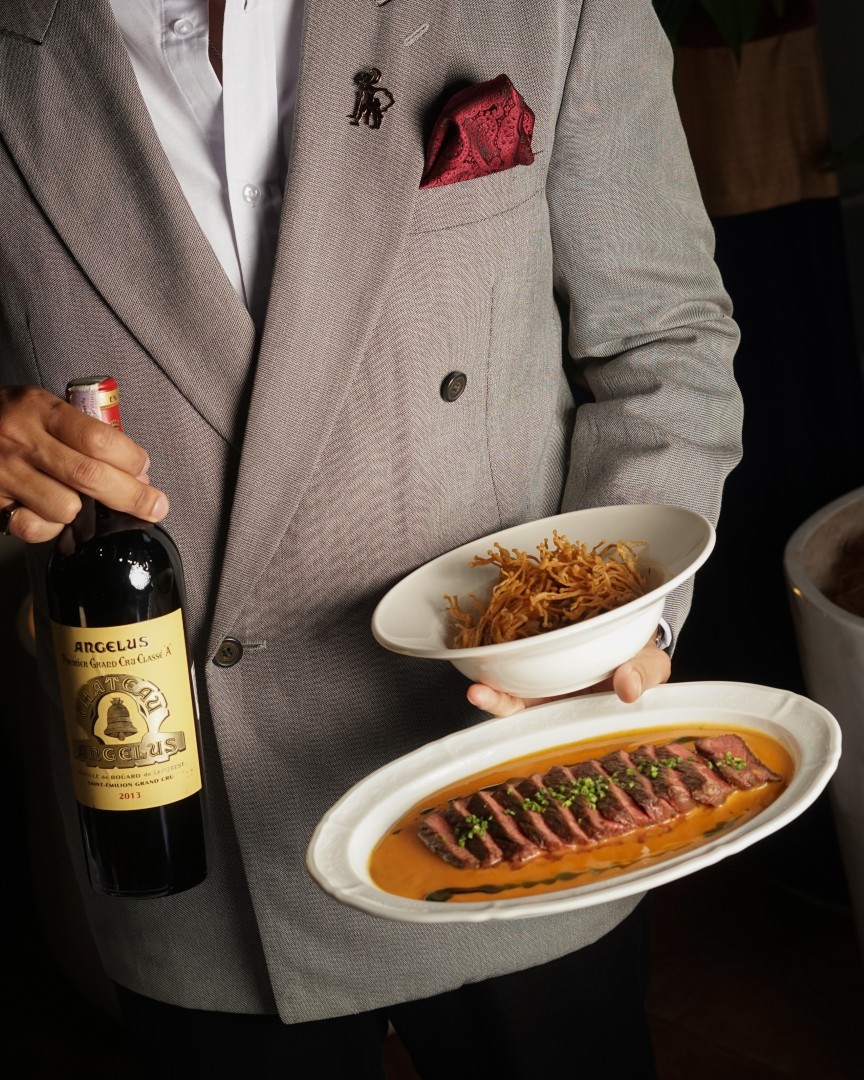
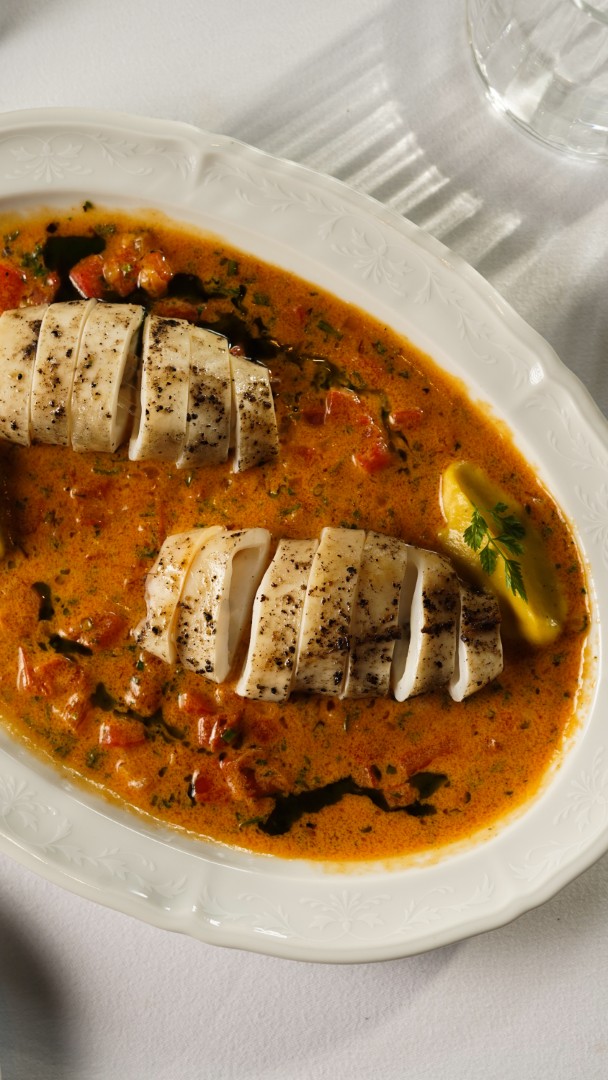
The Rooang’s menu reflects that balance. Around 80 percent of the offerings lean toward Western bistro-style dishes interpreted with Indonesian ingredients and influence. The remaining 20 percent preserve what he calls their “cult classics,” such as Wood-fired River Prawns or Roasted chicken. While from the bistro side, he notes a personal preference for the pastas and steaks.
Preserving Heritage
Adriel’s role at Bimasena has expanded significantly since he first joined. Initially brought in to oversee the culinary program, he was appointed Managing Director in October, broadening his mandate beyond the kitchen.
“This place has a very long heritage,” he says. “What we’re trying to do is preserve the Bimasena name and what it stands for — respecting its heritage — but also future-proofing it for the next 10–20 years.”
That vision unfolds along two tracks. On one side, the club’s membership base remains central and will become even more exclusive, with enhanced services and benefits. On the other, The Rooang serves as the public-facing extension of Bimasena.
“We don’t want to be in the middle again,” he says. “We have rooms and spaces in the building that serve both purposes.” The aim is to strengthen both ends of the spectrum rather than dilute either.
As a leader still new to hospitality management, Adriel describes himself as learning. Drawing from his corporate background, he emphasizes long-term thinking. “The strategic view and the long-term view of what we’re trying to do with the business comes first before anything else.” Attention to detail is equally important. “The small details are what separate us from being just an F&B outlet and one that is actually exclusive and testament to the heritage that Bimasena stands for.”
Ultimately, he credits the team. “We’ve assembled a team of really capable people… 70 percent of the job is really taken care of by our team. I just try to set that direction.”
Hospitality, he admits, has reshaped him personally. “I don’t struggle to get out of bed every day anymore.” At the same time, caring deeply about the work brings its own weight. “Making sure that this place runs the way it’s supposed to run has become a big load on my mind.” It has also taught him patience. “Good things take time,” he says, noting that the development of an organization is inseparable from the development of its people.
And while he does not position himself as someone redefining gastronomy, he is clear about his purpose. “I’ve come to terms with myself. I think my role in the F&B industry is not going to be one that flexes about technique… I just want to make people feel at home.” And at Bimasena, that intention may well define its next chapter.
The Bimasena
1, Jl. Dharmawangsa Raya No.23, RT.1/RW.2, Pulo, Kec. Kby. Baru, Kota Jakarta Selatan, Daerah Khusus Ibukota Jakarta 12160, Indonesia