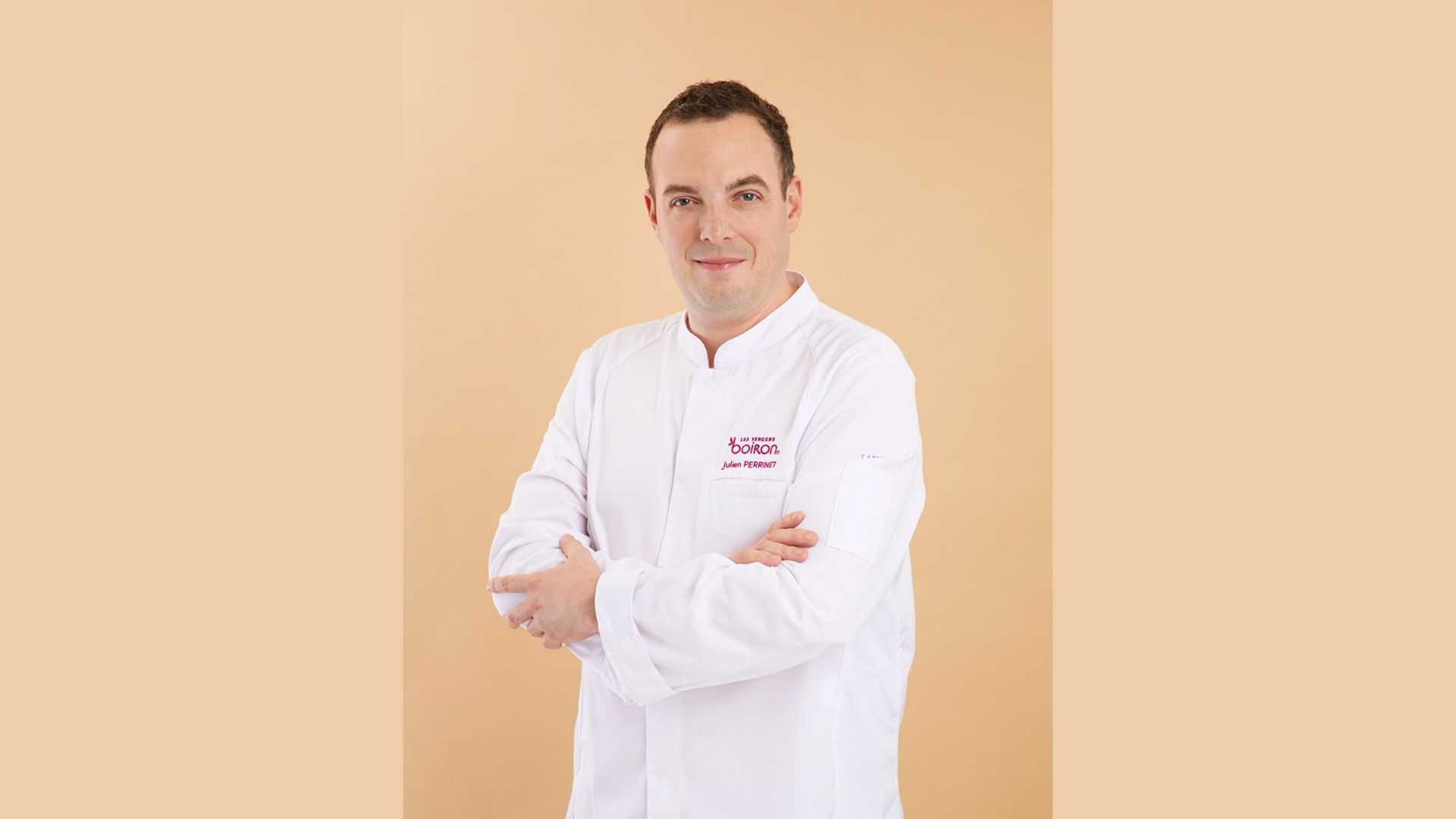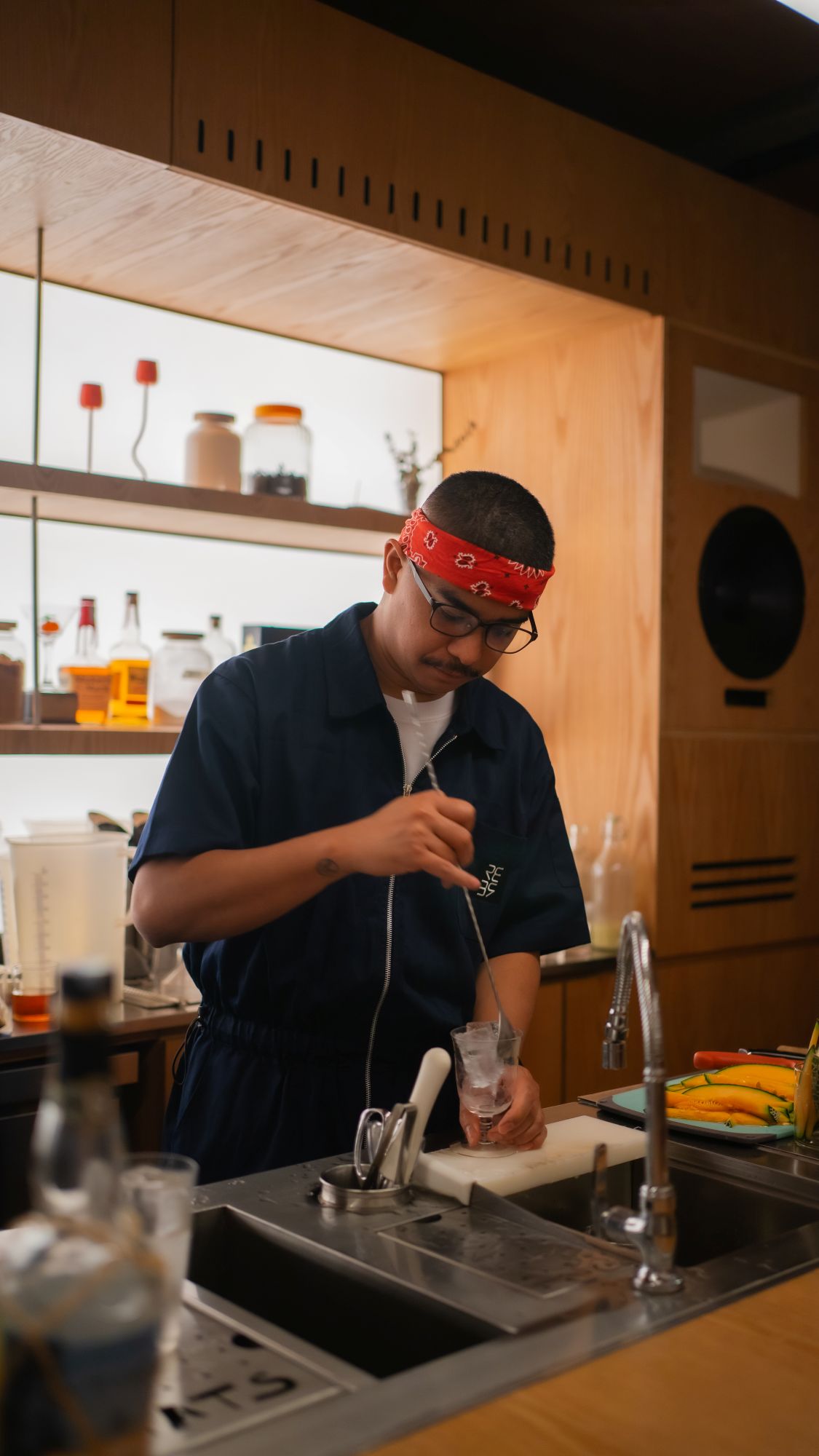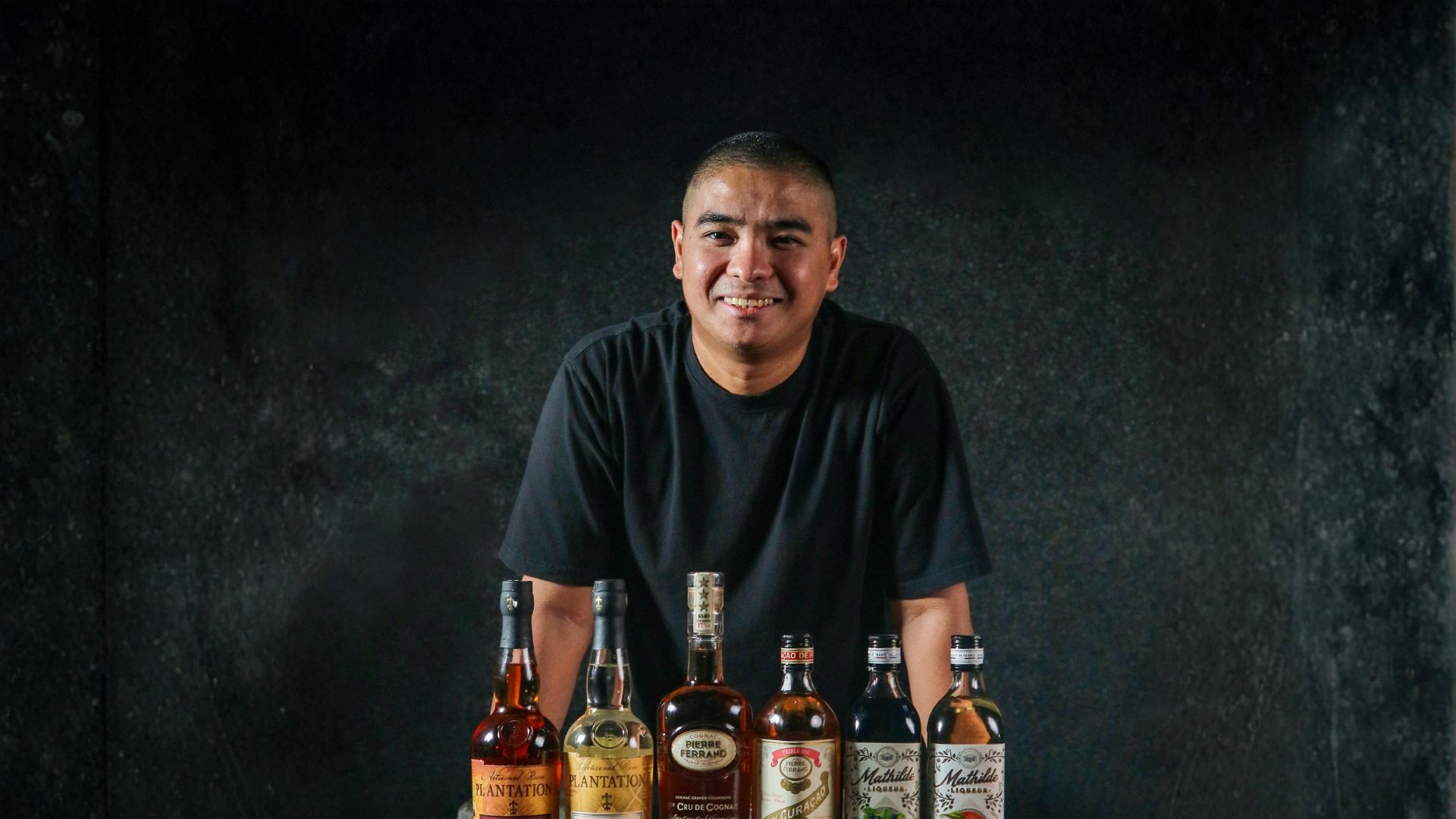
Cedric Mendoza, once part of the team behind the legendary Manhattan Bar in Singapore, doesn’t talk about perfection the way he used to.
Back then at Manhattan Bar, perfection wasn’t just an ambition, it was a baseline. Drinks were expected to be consistent, service measured and deliberate, and every detail calibrated to exceed expectations. It was an environment that shaped Cedric early in his career, teaching him not only how to make a cocktail, but how to pursue one relentlessly.
Now, back in Manila and co-founding ReCraft Manila, that idea has shifted. Not disappeared, but softened into something more flexible, more human.
“The perfect drink doesn’t exist,” he stated.
It’s a conclusion that only really makes sense when placed against where he began. Cedric didn’t set out to become a bartender. He studied Hospitality Management in the Philippines with the intention of moving toward restaurant management or the kitchen. Bartending, at least in his early understanding, was something else entirely—more flair than substance, more performance than craft. It wasn’t until he found himself in Manhattan that the perception began to change.
Bartending revealed itself as something complex yet quieter: a balance of flavour, creativity, and most importantly – connection. The bar demanded a level of technical precision, but it also required an awareness of people—what they wanted, what they expected, and what might surprise them. It was less about the drink in isolation, and more about the experience built around it.
Cedric describes a team that operated with a unified goal: to give every guest the best possible time, every single night. Standards weren’t just met—they were expected to be exceeded. It’s the kind of environment that sharpens instincts quickly, but also narrows the margin for error.
Looking back, he recognises a tendency to push—both himself and the people around him—toward an idea of excellence that wasn’t always calibrated to the individual.
“I always pushed everyone around me to aim higher, without learning everyone’s capacity or goal.”
In a space where success is often measured externally—rankings, recognition, reputation—it’s easy to confuse intensity with effectiveness. In an industry defined by precision and recognition, that distinction becomes harder to see.
At the time, the pursuit of perfection felt logical. If the standard was absolute, then the work had to be as well. But over time, that idea began to unravel.
Preferences shift. Context changes. What resonates with one guest might fall flat for another. Perfection becomes less of a fixed point, and more of a moving target.
What replaces it is something simpler: balance. Not just in flavour, but in approach. Drinks that are considered, but not overworked. Service that is attentive, but not rigid. A way of working that leaves room for both intention and adaptation.
That shift became clearer when he decided to return to Manila.
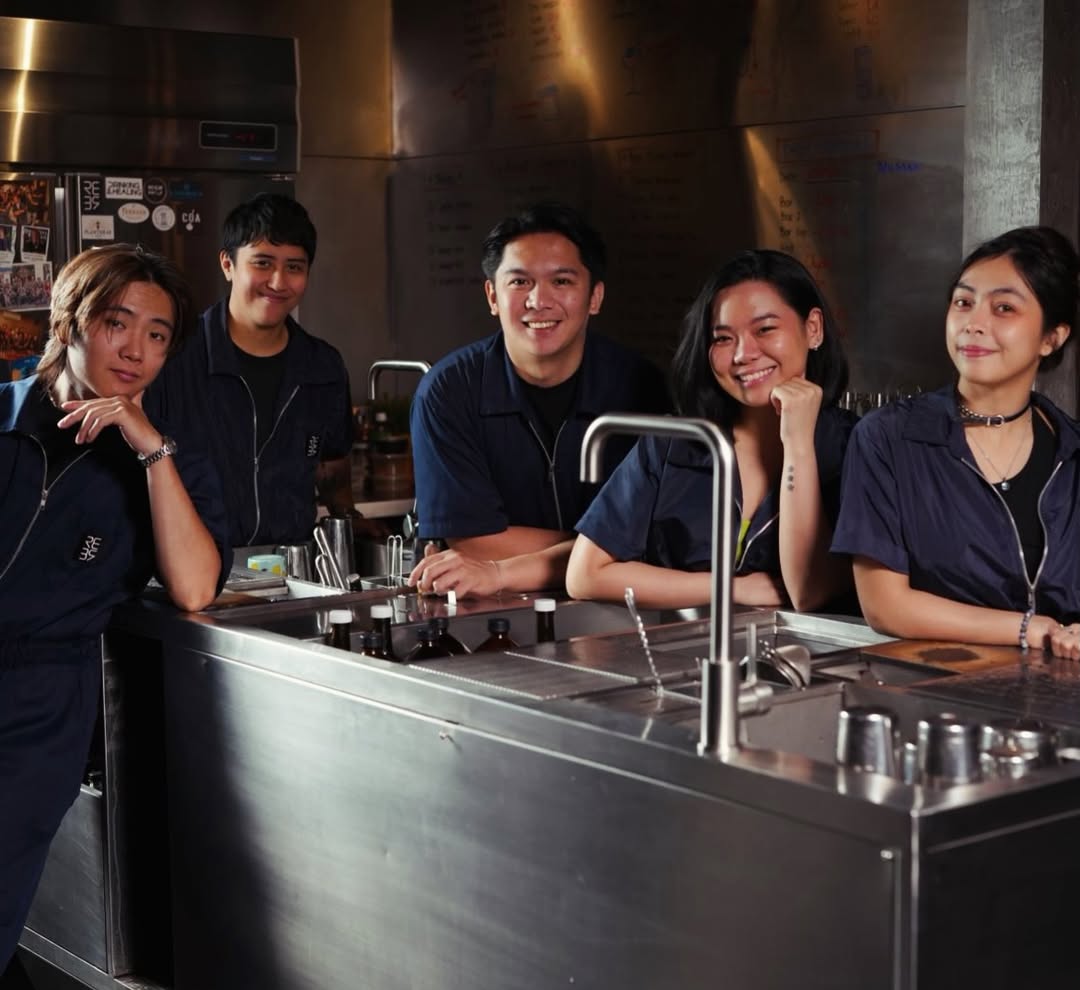
After 13 years abroad, Cedric felt it was time. Not as a definitive homecoming, but as a next step—one that involved building something alongside people who shared a similar drive. There’s no attempt to position himself as someone bringing back answers. If anything, the emphasis is on contribution and exchange.
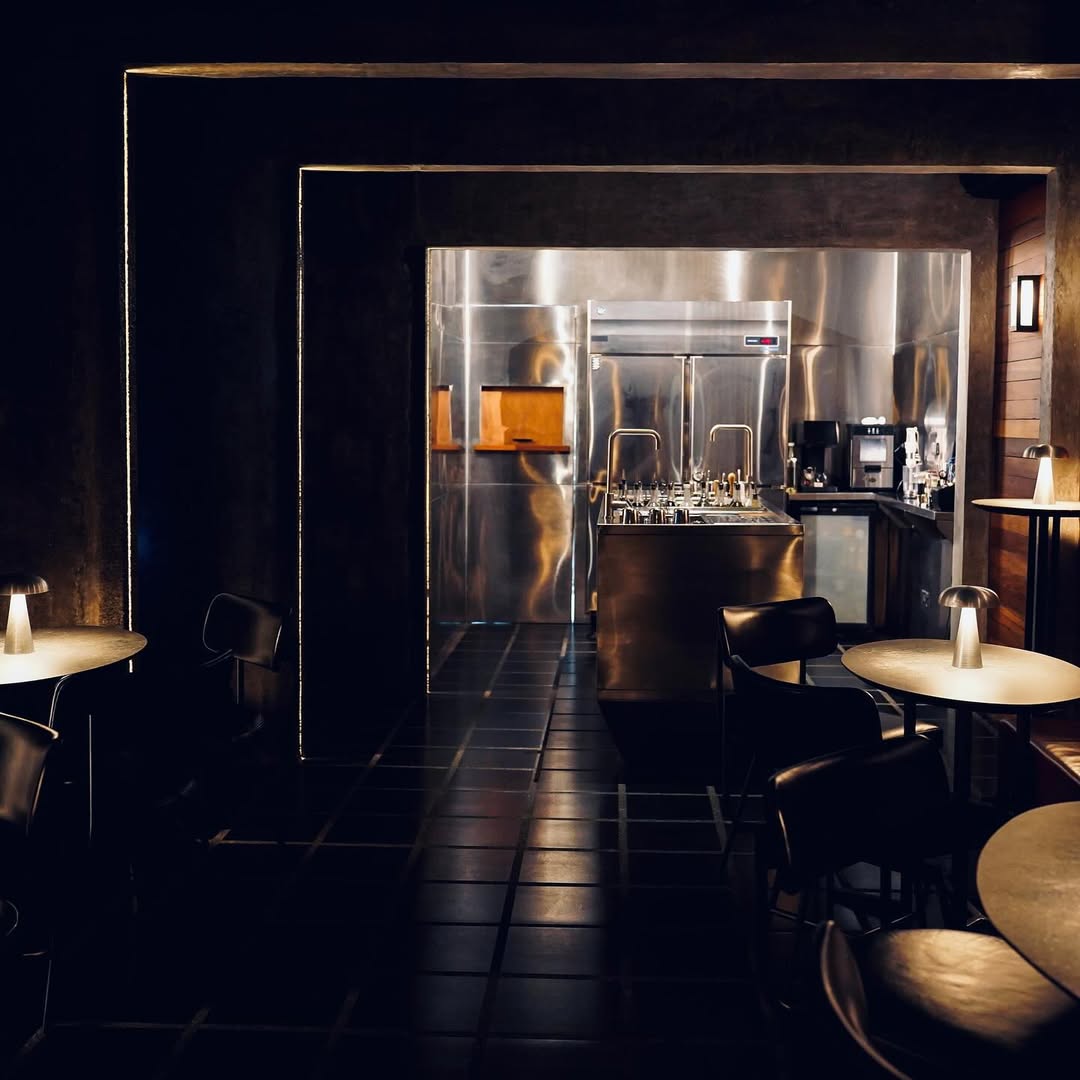
At ReCraft, that philosophy takes on a more tangible form. The idea is simpler—a bar that feels familiar, but never fixed. Cedric’s role extends beyond making drinks—he shapes how the team approaches hospitality, and how the bar continues to evolve.
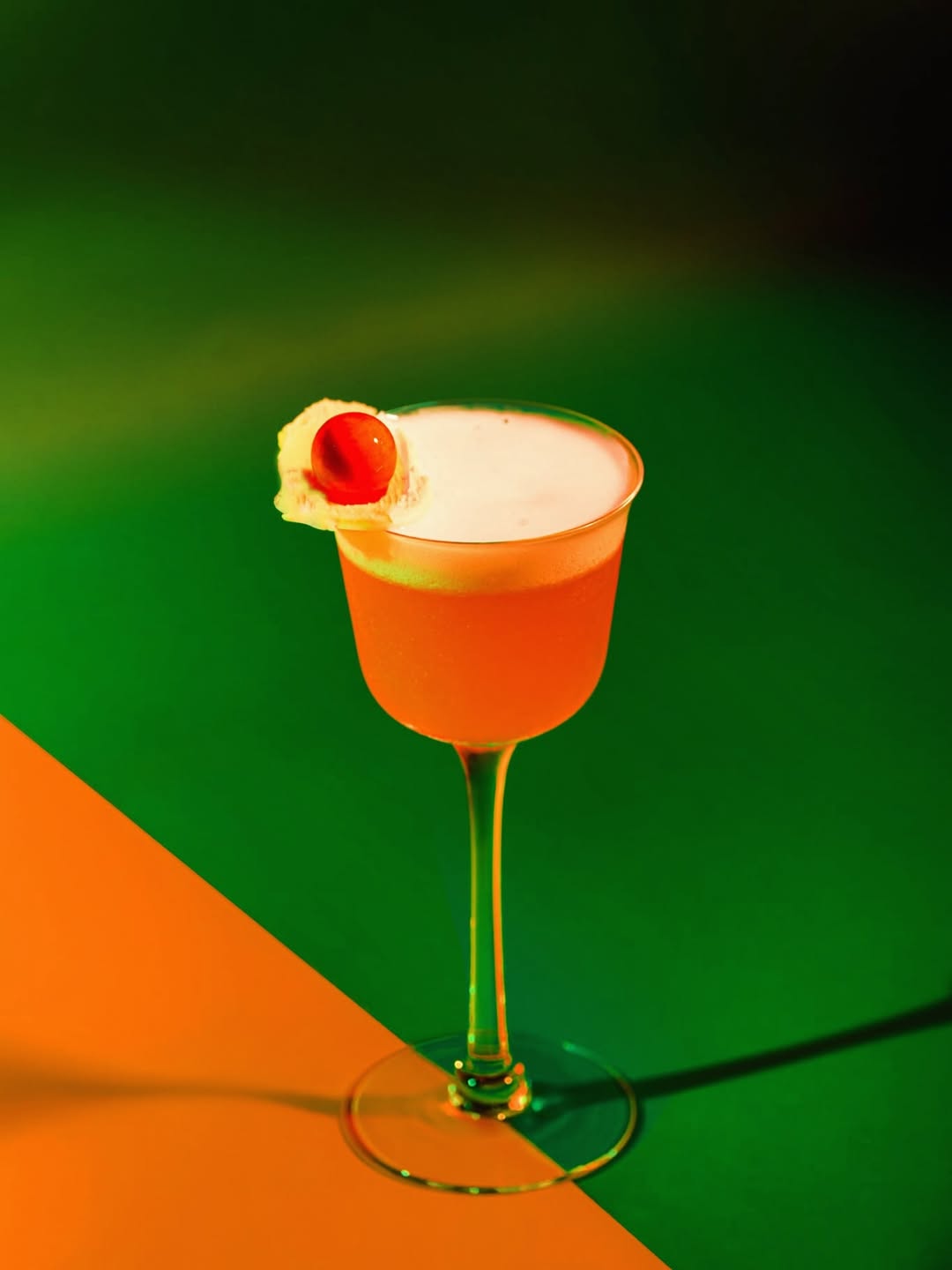
“We serve familiar and tasty drinks, adding a bit of unfamiliarity, so we can all evolve together.”
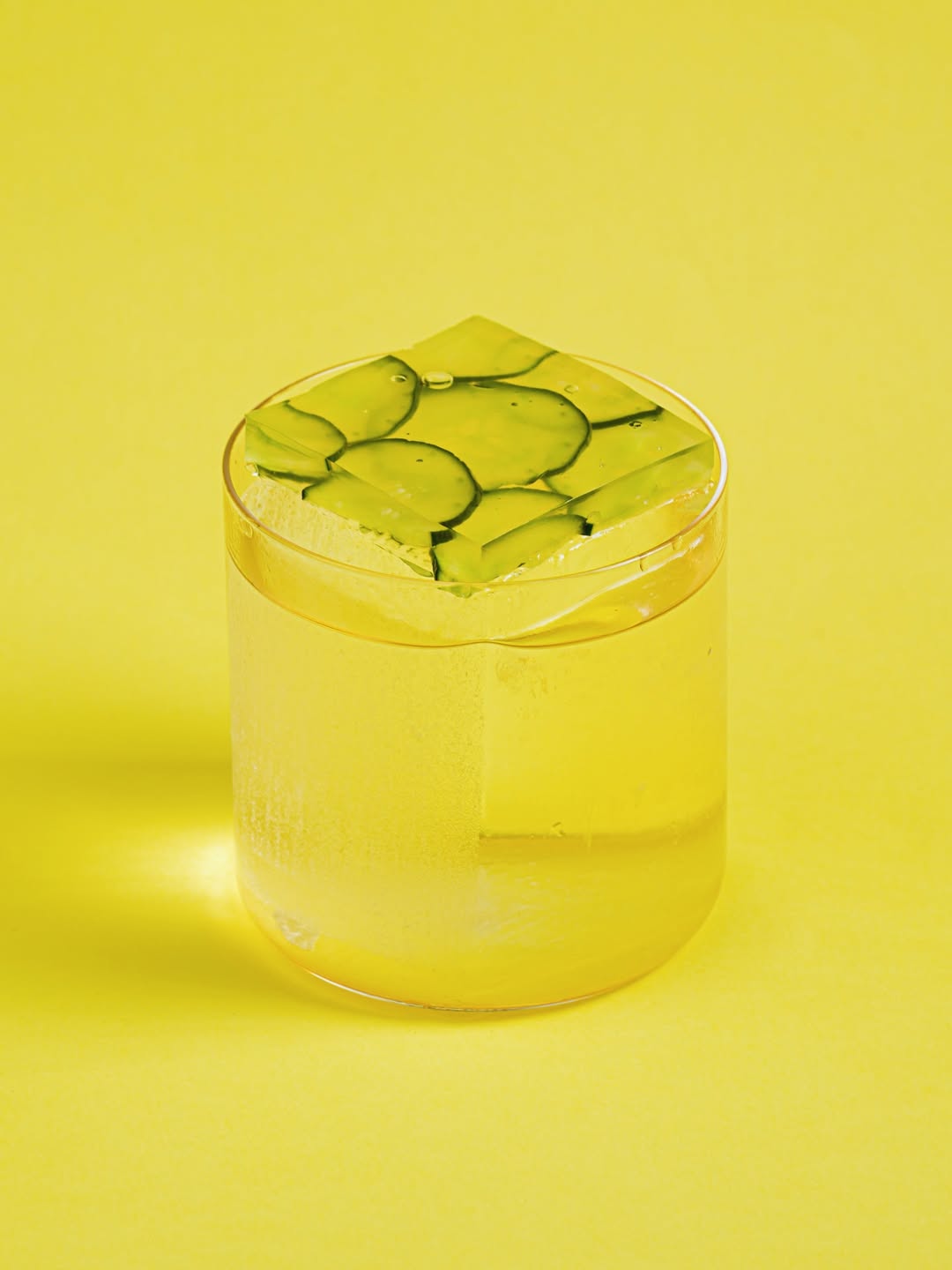
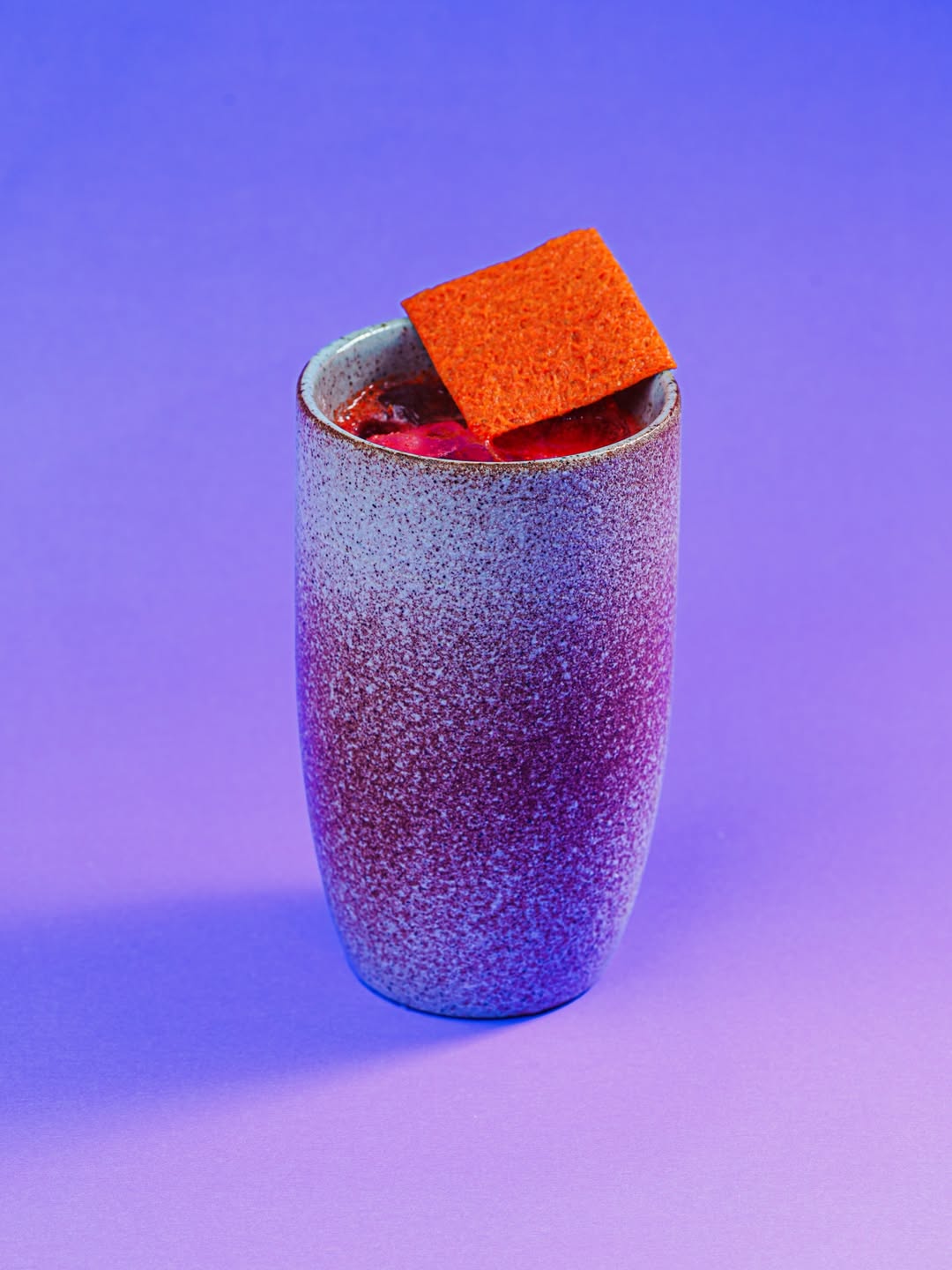
Rather than presenting cocktails as something to be decoded or understood, ReCraft positions them as something to be experienced—iterative, evolving, and open-ended. There’s no fixed signature that defines the bar. Instead, the menu shifts, adjusts, and responds, reflecting both the team’s ongoing learning and the preferences of the people they serve.
That sense of openness extends beyond the drinks themselves. Training is constant, but not prescriptive. Techniques are shared, but not imposed. Visiting bartenders bring new ideas, which are absorbed and reinterpreted rather than replicated. Travel becomes less about comparison and more about observation—how other bars operate, what they prioritise, and how they create a sense of place.
“There are things I used to do that are longer, and I found out there is an easier or faster way.”
It’s a small line, but it captures the broader shift in his thinking. Experience doesn’t necessarily lead to certainty. Sometimes, it leads to a willingness to let go of it. ReCraft feels less like a culmination and more like a continuation. Not a final statement, but an ongoing process—reflecting where Cedric is now, rather than where he’s been.
The bar isn’t trying to recreate Manhattan, nor is it rejecting it entirely. Instead, it carries forward what still feels relevant—hospitality, discipline, attention to detail—things that fit in a new playground.
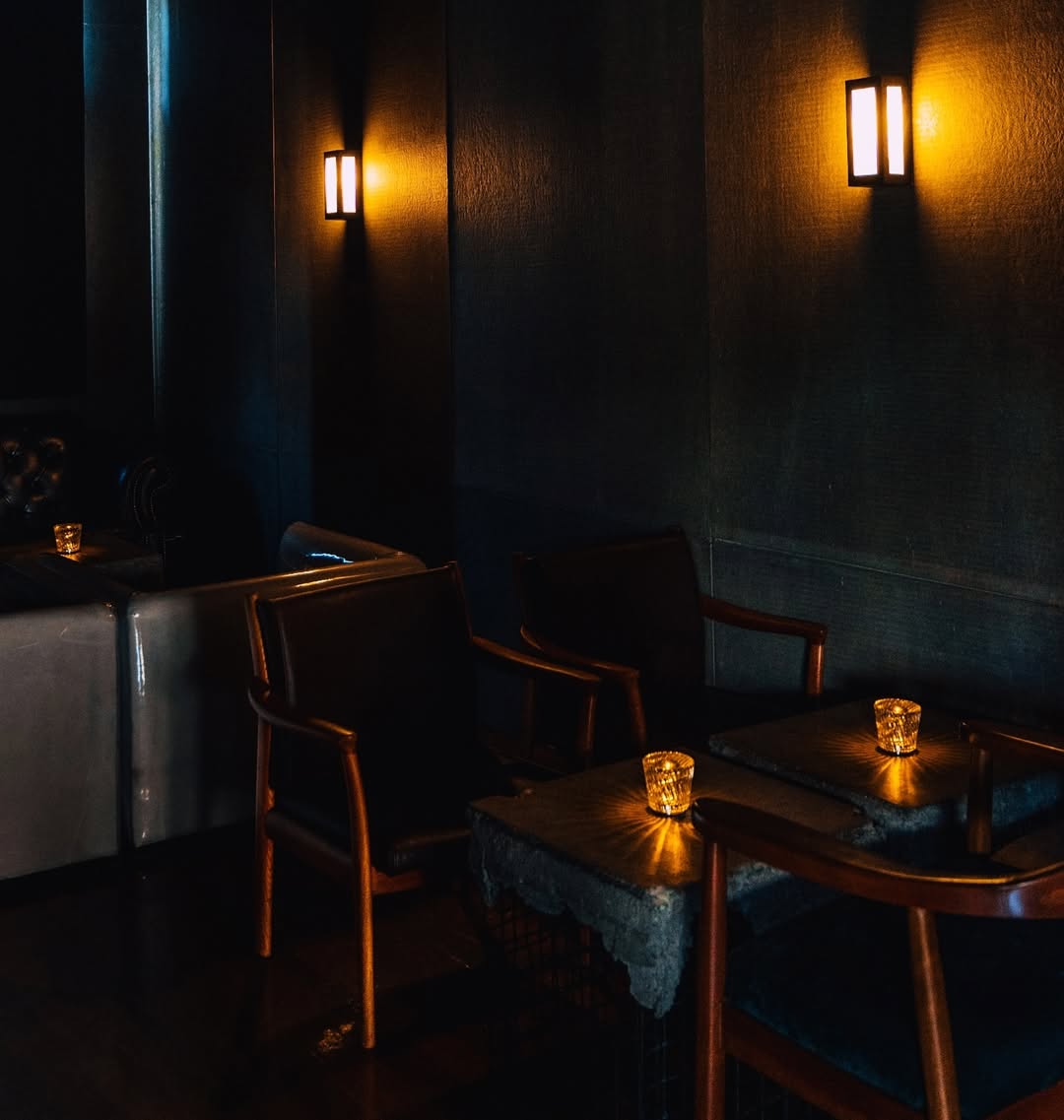
What remains is something more grounded. A space where guests can sit, have a drink, and, as Cedric puts it, “lose sense of where you are.” Not somewhere else entirely, but somewhere complete enough to stay.
For Cedric, that might be the closest thing to perfection that still makes sense. Not something fixed or absolute, but something felt—briefly, and then gone.
ReCraft
39 Sct. Tobias St, Diliman, Quezon City, 1103 Metro Manila, Philippines