There are restaurants you stumble into, and then there are those you plan your evening around. Supagetti belongs firmly to the latter. With just 16 seats and a strict reservation-only system—two seatings a night, no walk-ins—it isn’t built for chance encounters. But once you’re inside, the structure fades into the background, replaced by a calm, intimate rhythm that makes you slow down without realising it.
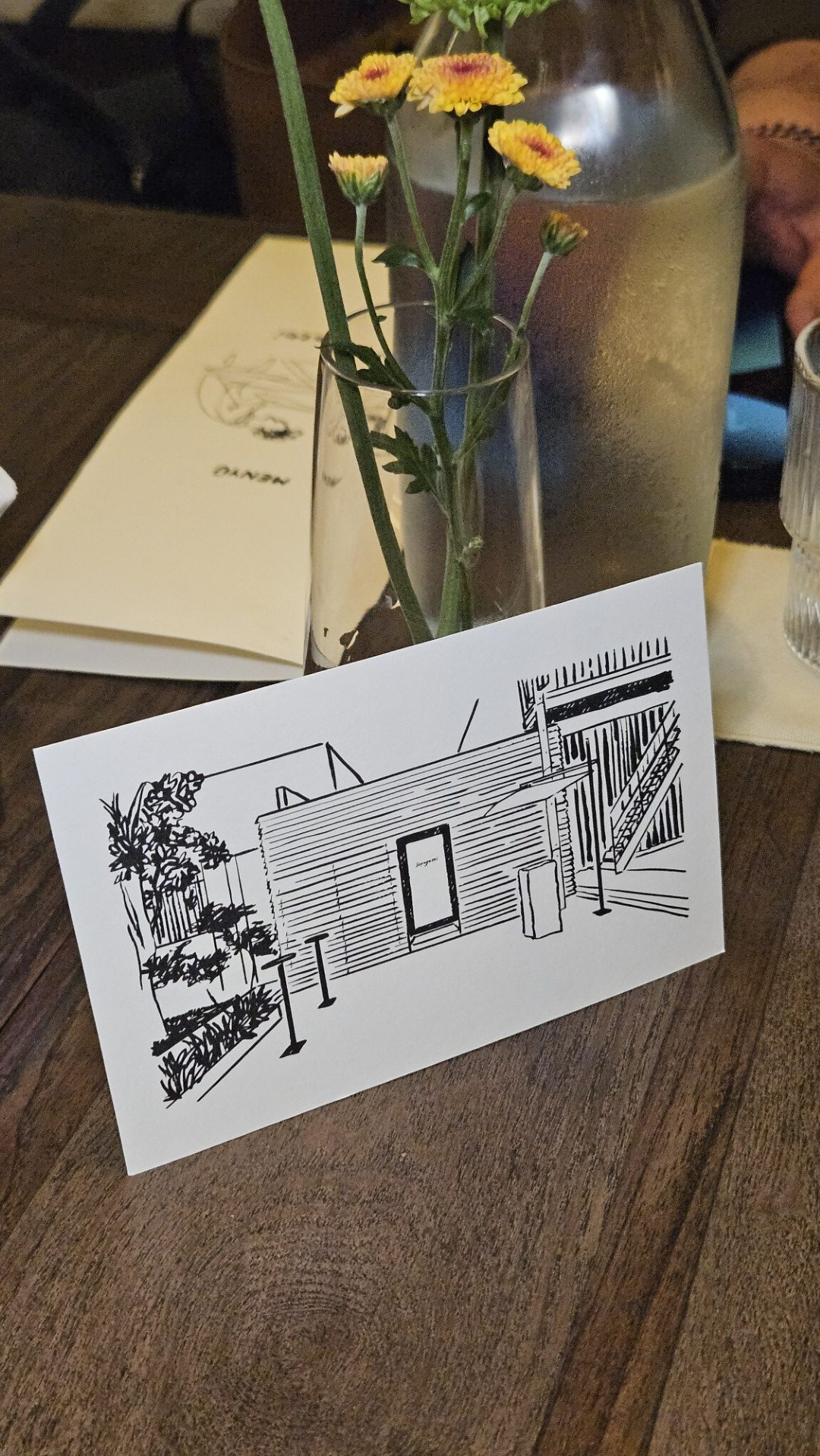
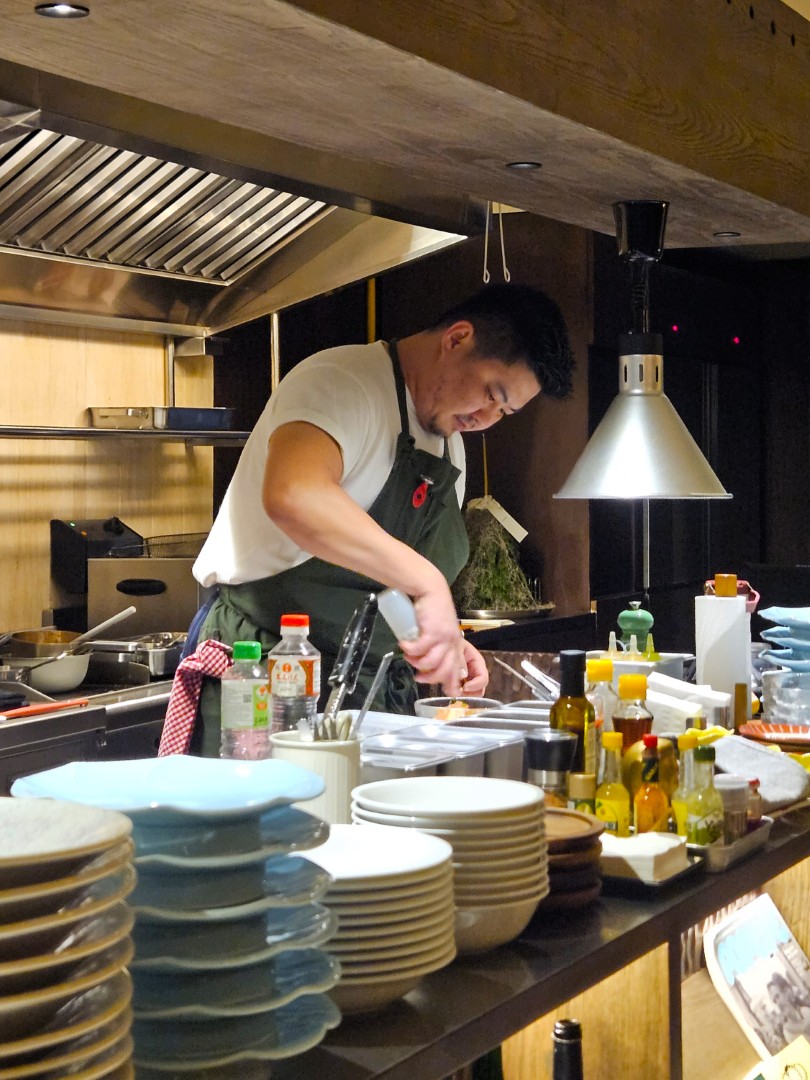
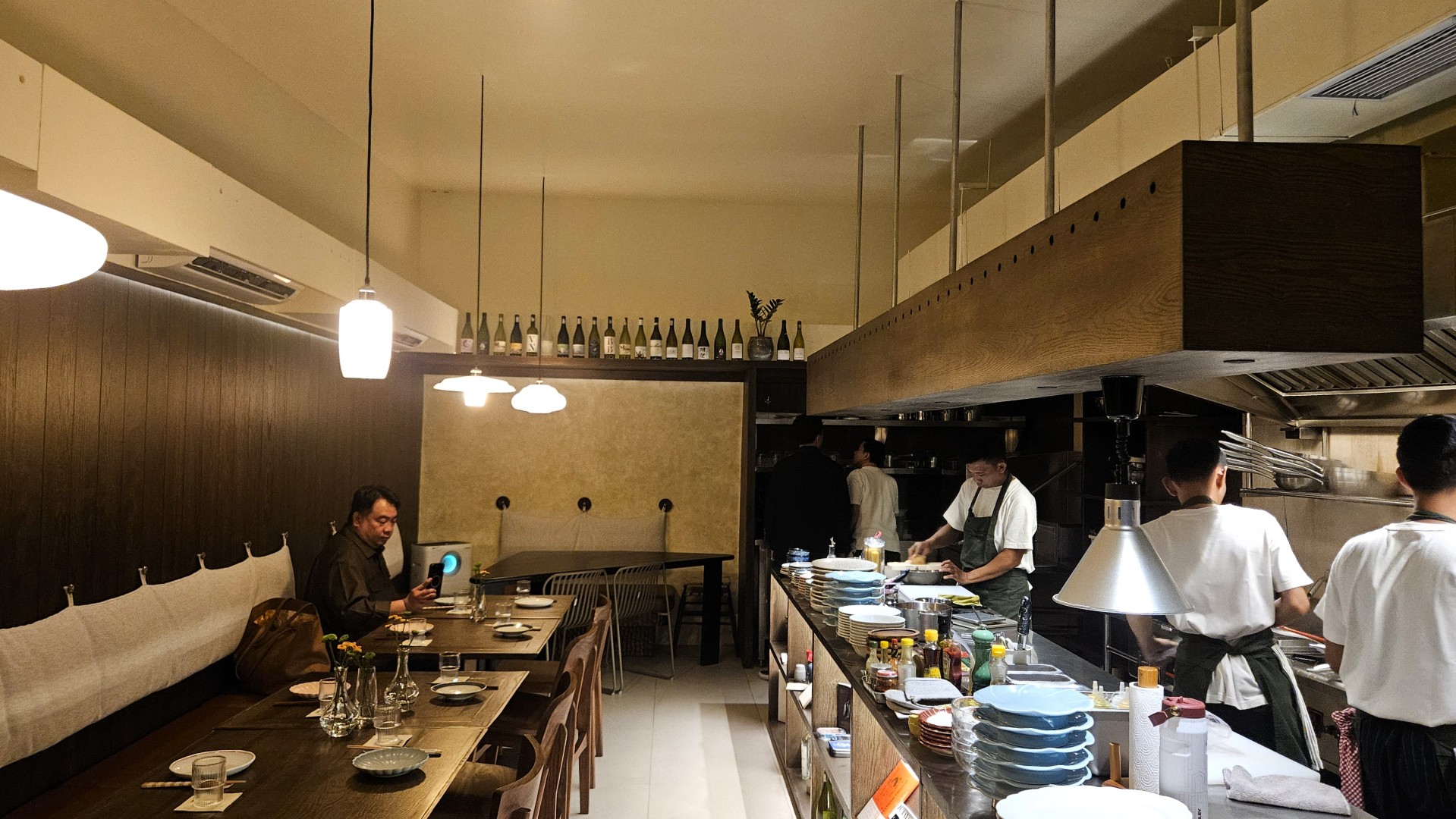
Tucked away in Prapanca, Supagetti introduces itself quietly. The space is compact, modern, and pared back, closer in spirit to the small neighbourhood Japanese pasta shops you might find down a side street in Tokyo. Here, the kitchen is the restaurant, and the restaurant is the kitchen.
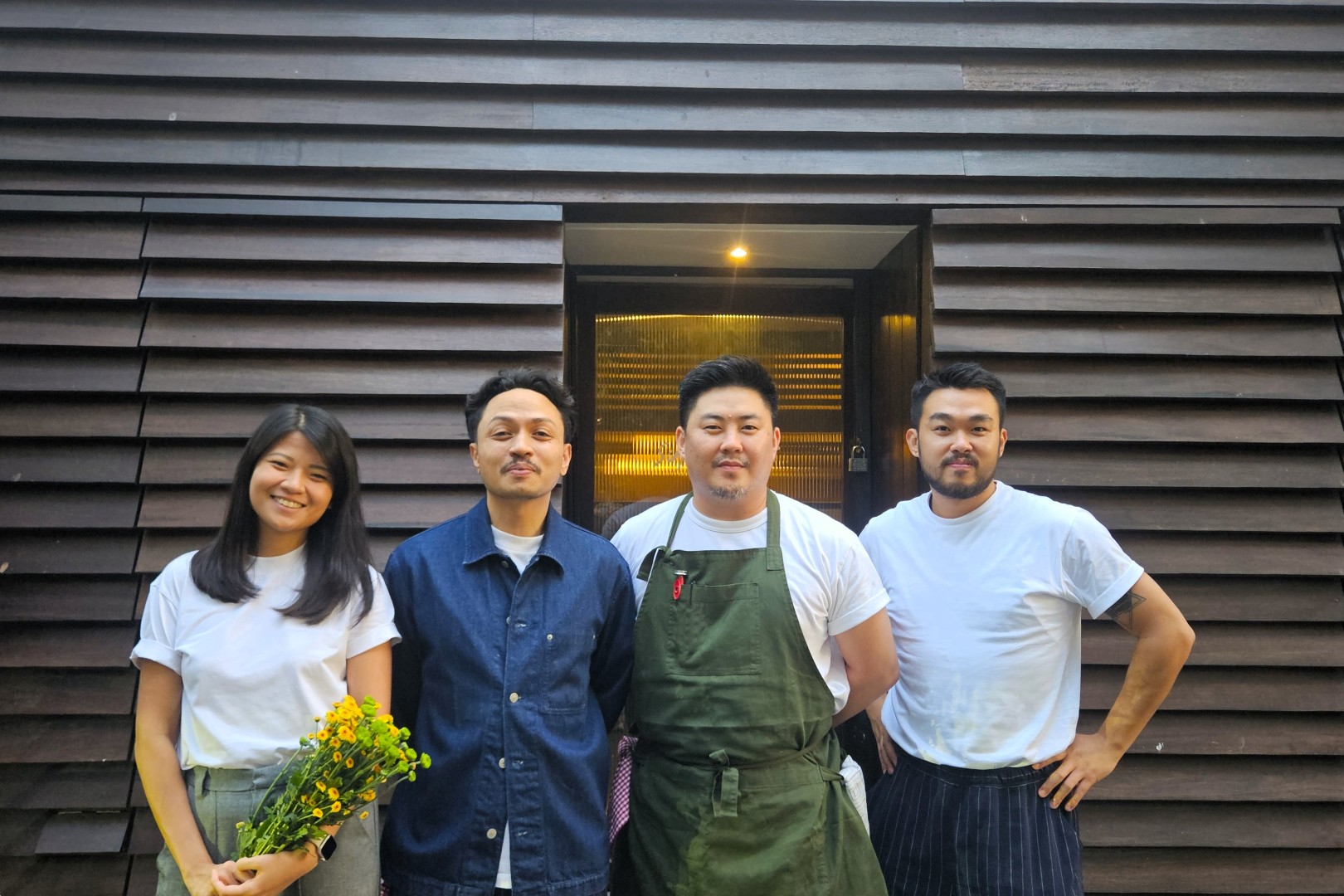
“We’re going for a very intimate space,” co-founder Banjo explains. “Where the kitchen is the restaurant and the restaurant is the kitchen—nothing hides behind the pass. You see everything, and the guests can be part of the experience as well.” Watching the team cook, plate, and serve just a few steps away immediately sets the tone: personal, focused, and quietly confident.
Supagetti frames its cooking as itameshi—Italian comfort filtered through Japanese sensibility—and that idea carries through not just in flavour, but in feeling. Plates arrive warm, pacing feels deliberate, and the room encourages you to stay present with your meal rather than think about what’s next. Despite how hard it can be to secure a reservation, the experience itself never feels rushed. Service moves with confidence, not urgency, allowing the table to settle into its own pace.
The meal opened with squid ajillo, served in a light, aromatic broth. The team suggested dipping the complimentary shio pan into it—and I did exactly what they told me. The bread soaked up the fresh, umami-rich broth, turning the dish into something unexpectedly comforting. It felt less like an appetiser and more like a gentle introduction to how the kitchen thinks about flavour: simple, direct, and generous. A very satisfying way to begin.
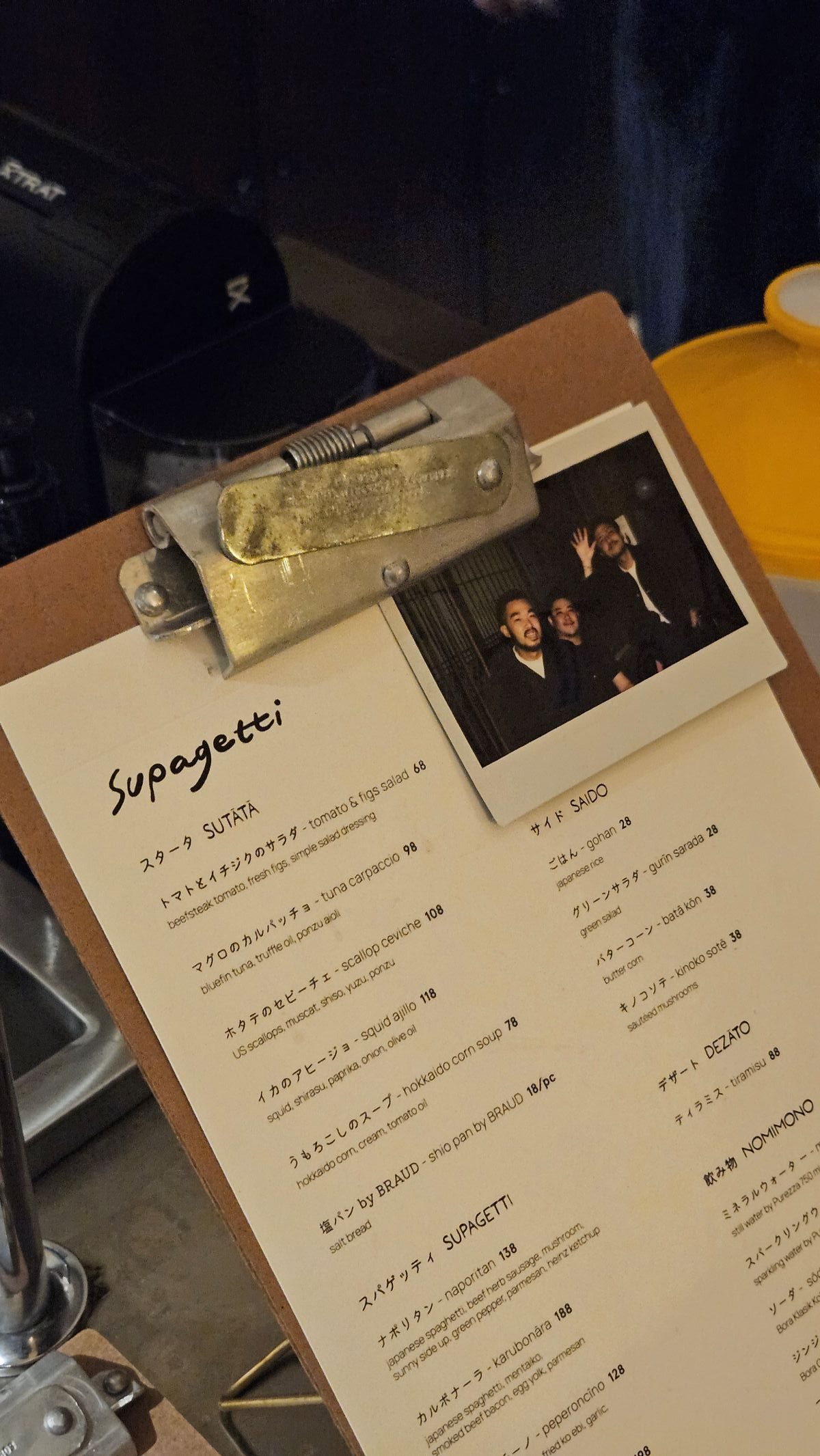
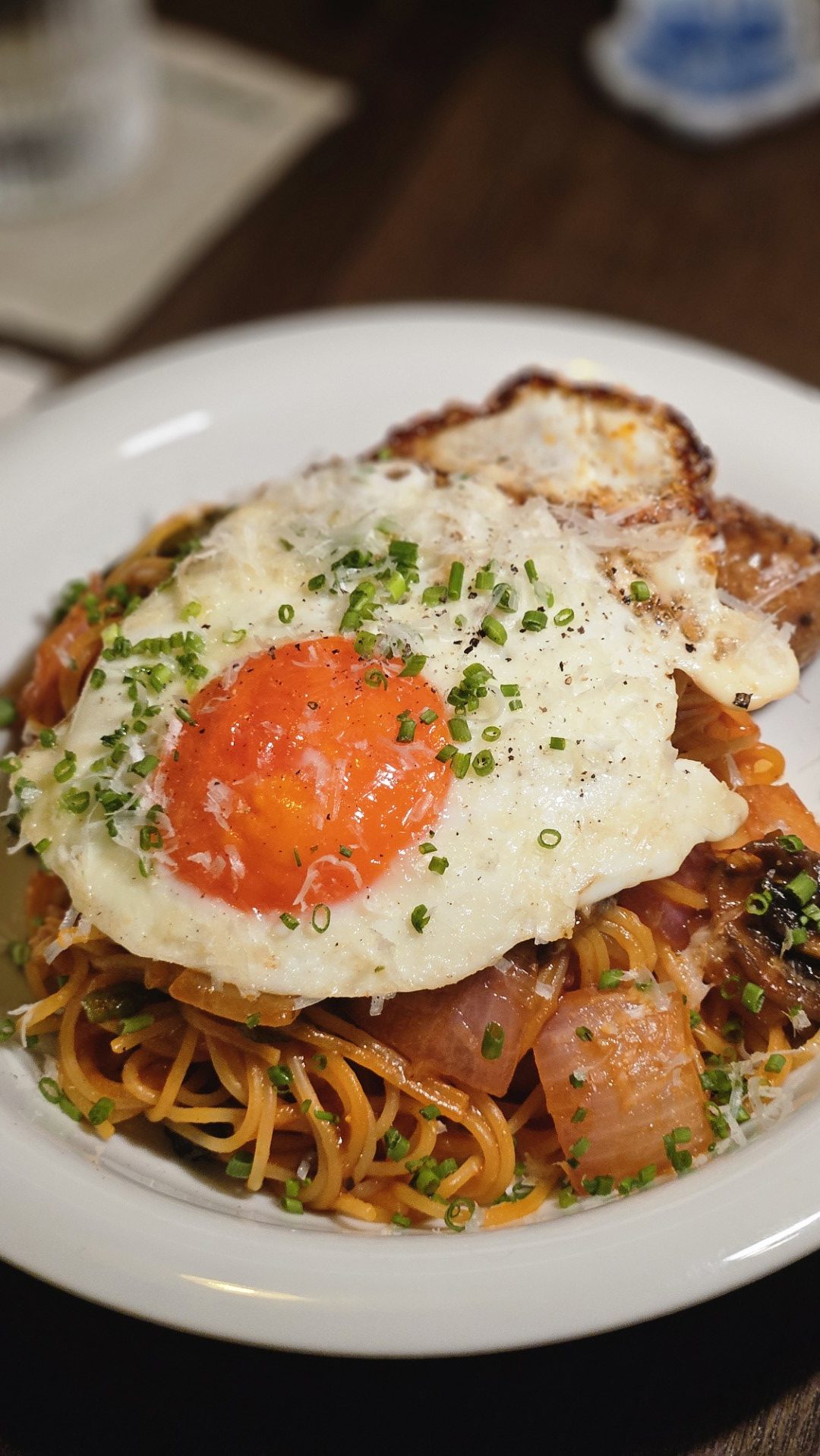
Pasta, naturally, sits at the centre of the experience. Naporitan spaghetti arrives sweet, savoury, and unapologetically nostalgic—made with Heinz ketchup, sausage, mushrooms, green peppers, and finished with a sunny-side-up egg. For me, the dish carries sentimental value. Japanese food culture was never foreign growing up, and Naporitan was one of those dishes I’d always wanted to try since childhood. It’s simple, yes, but deeply heartwarming in a way that feels honest rather than playful.
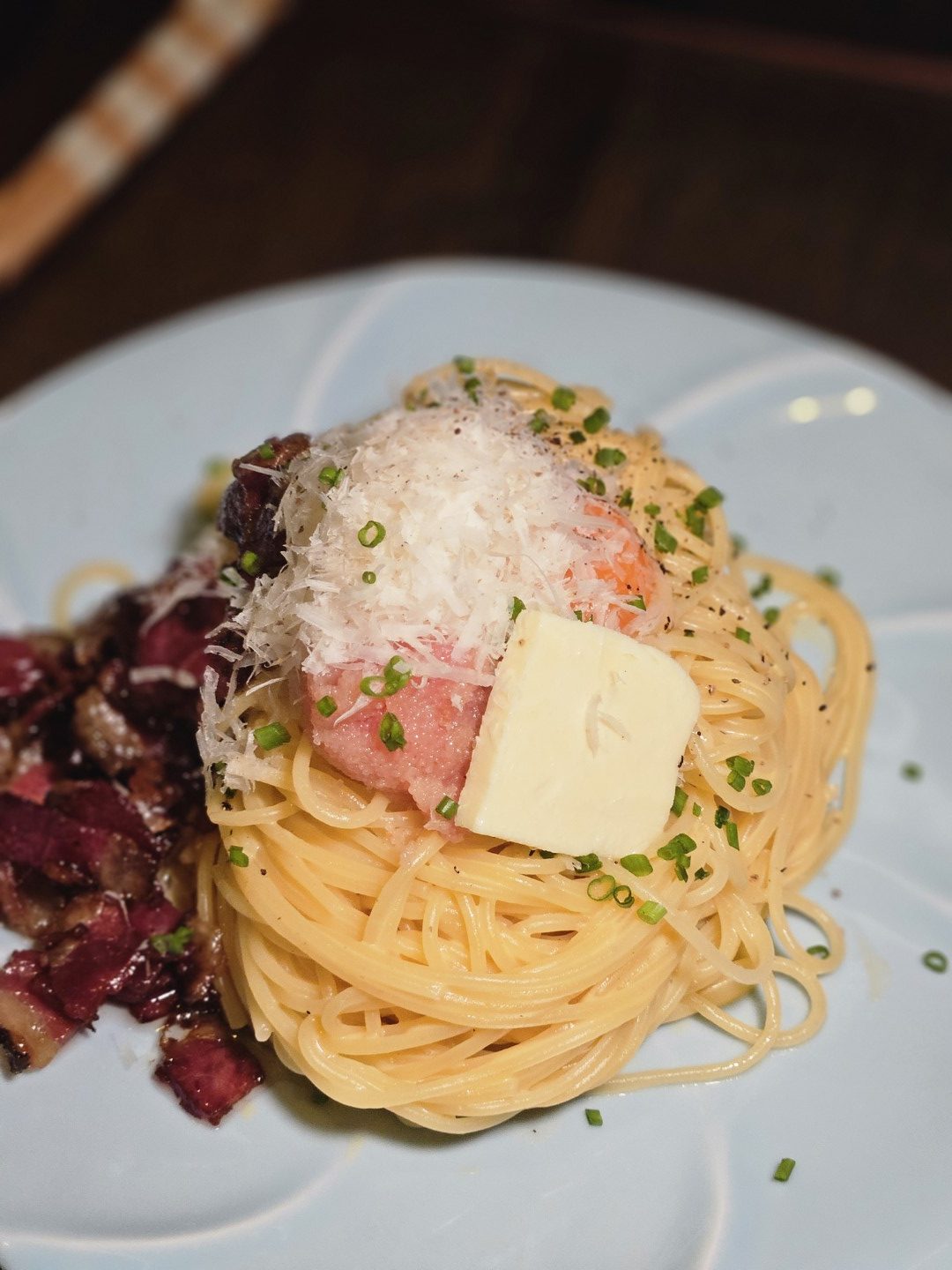
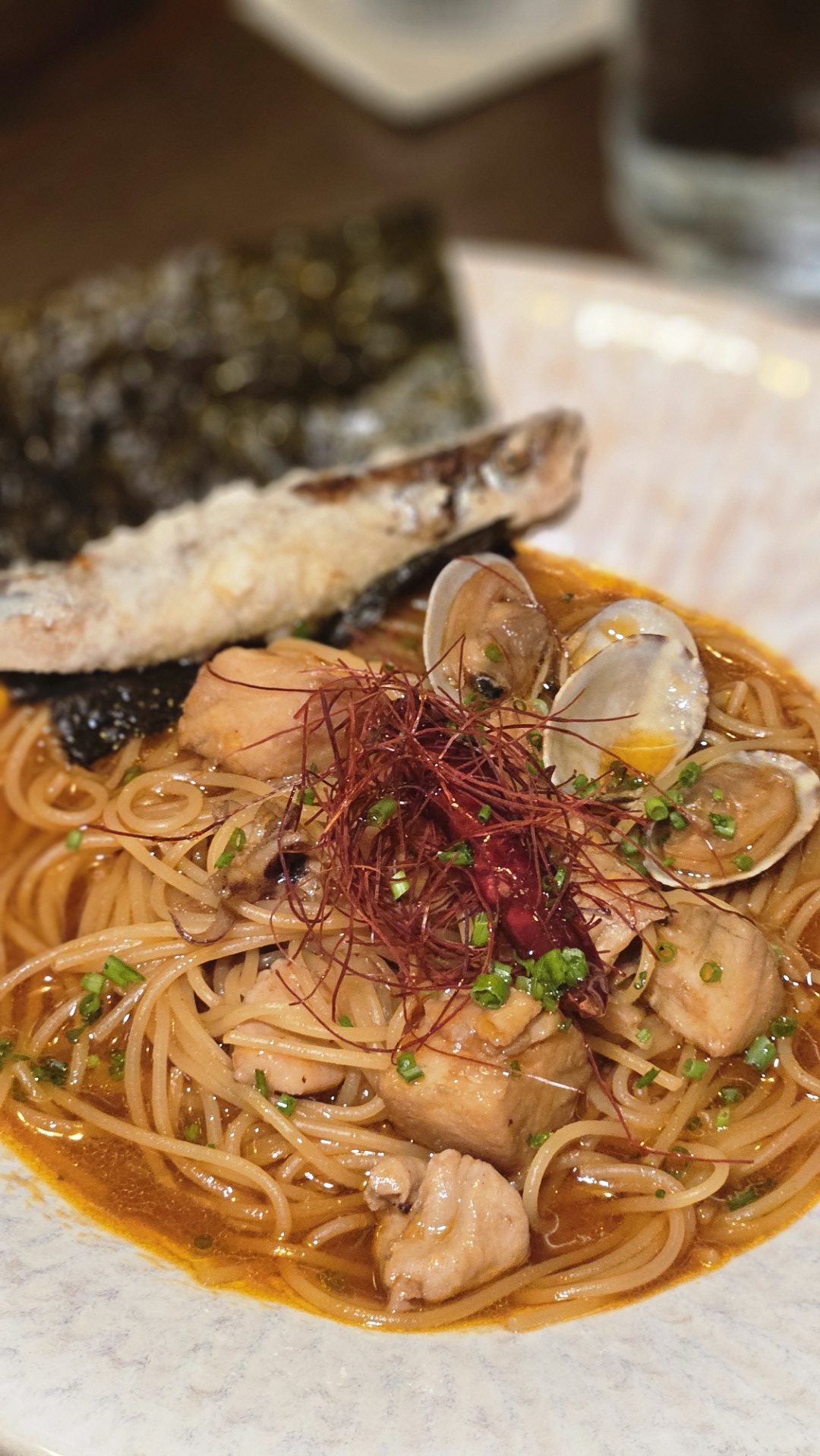
From there, the menu moves into richer territory. Karubonara, Supagetti’s take on carbonara, keeps the familiar structure but lightens the execution—less creamy, layered instead with butter and mentaiko. The flavours feel rounded rather than heavy, comforting without tipping into excess. Then there’s the soup pasta, which stood out as one of the most reassuring dishes of the night. Built on a seafood-forward broth and served generously, it felt like the kind of plate you’d return to without thinking twice.
That balance between familiarity and difference is intentional. For co-founder Cilia Limantara, itameshi isn’t about reinventing pasta, but gently shifting how it’s experienced.
“Basically people know a lot about this pasta, but we put Japanese flair so we introduce new flavour into it,” she says. “That’s what makes people excited to try it.”
Beyond pasta, smaller plates round out the meal without distraction. Scallop ceviche, dressed with yuzu and ponzu, arrives clean and refreshing. A Stockyard Cube steak (MB 6–7) leans confidently Japanese in flavour profile, finished with wasabi and beef-fat teriyaki. Even dessert follows the same philosophy: a proper tiramisu, familiar and restrained, closing the meal without unnecessary flourish.
Supagetti doesn’t try to accommodate everyone, and it doesn’t pretend to. The reservation system may feel rigid at first, but once you’re seated, it’s precisely what allows the experience to unfold without interruption. The team cooks, serves, and shares the room with you, creating a sense of closeness that’s increasingly rare in Jakarta’s dining scene.
In a city that often celebrates scale and spectacle, Supagetti feels refreshingly modest. It’s the kind of place you leave remembering how the food made you feel—how a piece of bread soaked up a bowl of broth, how a plate of pasta stirred something familiar, and how, for a couple of hours, everything moved at just the right pace. Sometimes, that’s all a good meal needs to do.
Supagetti
Jl. Prapanca Raya No.18 Blok P3, RT.9/RW.8, Cipete Utara, Kec. Kby. Baru, Kota Jakarta Selatan, Daerah Khusus Ibukota Jakarta 12160