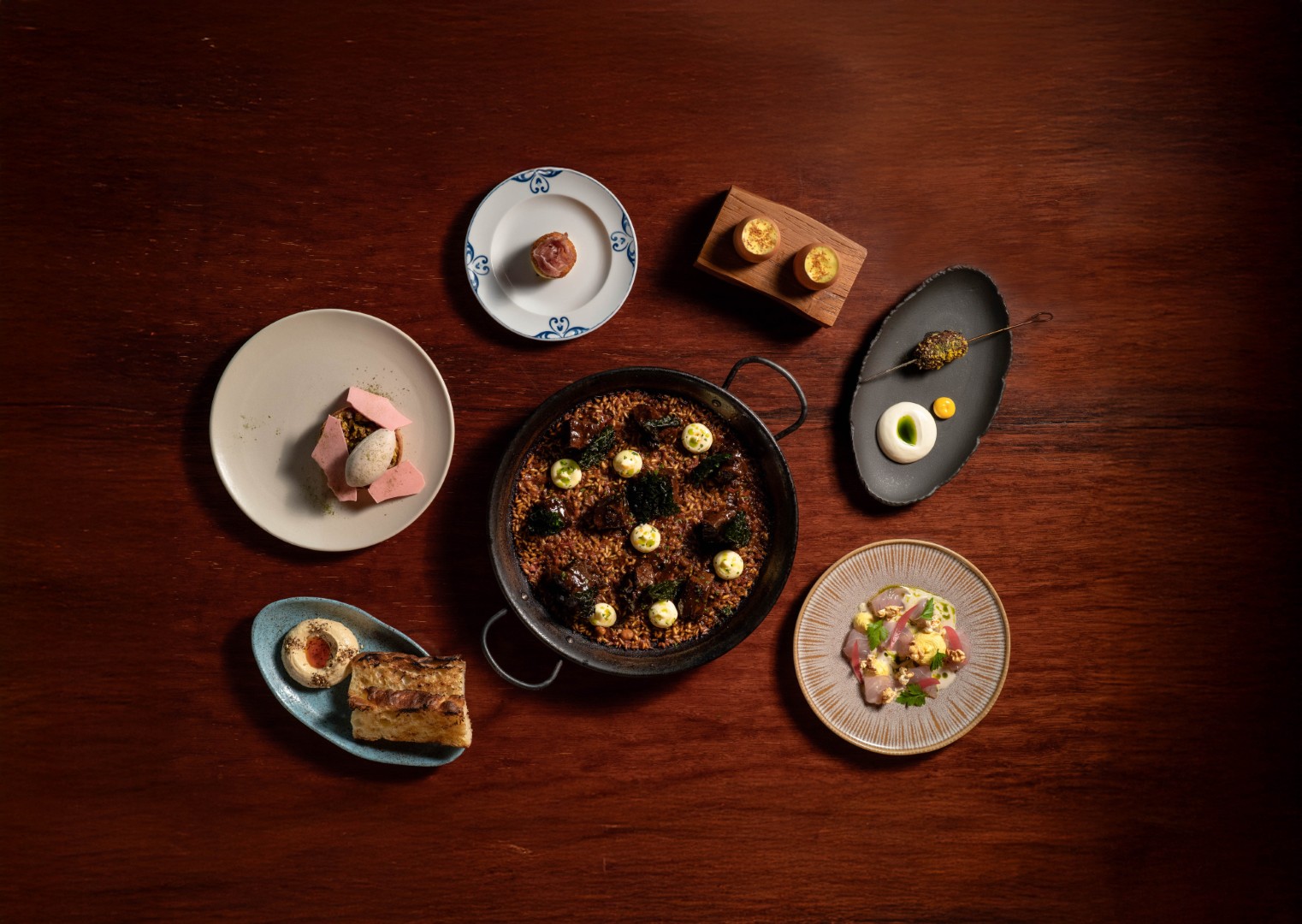
Aotearoa New Zealand’s food story is about to take on new visibility. Known for its mix of Māori heritage, Pacific traditions, and contemporary influences, the country’s cuisine draws on local produce that ranges from grass‑fed lamb and beef to seafood from its coasts and vegetables from fertile plains. Wine regions such as Central Otago add another layer, pairing seasonal food with bottles that carry the character of the land. In Auckland, Wellington, Christchurch, and Queenstown, restaurants reflect this diversity in different ways, from fine dining shaped by multicultural identity to farm‑to‑table cooking that highlights regional abundance.
It is within this landscape that the Michelin Guide will make its debut in Oceania. Inspectors are already visiting restaurants in the four cities, dining anonymously to prepare the first New Zealand selection, which will be revealed in the middle of 2026. The arrival marks a new chapter for the guide, which has spent more than a century identifying restaurants around the world through a consistent set of criteria: the quality of ingredients, mastery of technique, harmony of flavors, personality of the cuisine, and consistency across the menu.
Auckland’s dining scene blends coastal resources with international influences, while Wellington’s reputation as a creative capital extends to its food, with bold flavors, organic produce, and a strong coffee culture. Christchurch restaurants draw on seafood from Banks Peninsula and produce from Canterbury’s plains, often combining New Zealand staples with Pacific Rim flavors. Queenstown, set among the Southern Alps, offers a mix of local lamb, venison, and organic vegetables, paired with wines from Central Otago. Together, these cities show how New Zealand’s culinary identity continues to evolve.
“We couldn’t be prouder of our vibrant food and beverage scene, and it’s thrilling to see it now shining on the international stage through the prestigious MichelinGuide. The recognition not only celebrates our culinary excellence but also signals to the world that New Zealand is a must-visit destination. We warmly invite the world to come and experience it for themselves — to taste the flavours of this land and discover the stories behind every plate and pour,” said René de Monchy,Tourism New Zealand Chief Executive.
The announcement also follows the introduction of Michelin Keys, a distinction for hotels that recognizes excellence in design, service, and character. Nineteen New Zealand hotels received this recognition in 2025, adding another dimension to the country’s profile as a destination for food and hospitality.
Since its creation in 1900, the Michelin Guide has remained focused on helping travelers and locals discover restaurants worth visiting. Its system of distinctions includes the well‑known Michelin Stars, awarded to restaurants offering high‑quality, excellent, or exceptional cooking, as well as the Bib Gourmand category, which highlights establishments serving good food at moderate cost.
With inspectors now on the ground, the first New Zealand edition of the guide is underway. When the inaugural selection is revealed in 2026, it will place Auckland, Wellington, Christchurch, and Queenstown alongside other global culinary destinations, reflecting the country’s mix of tradition, produce, and creativity through the lens of its restaurants.